
At a glance
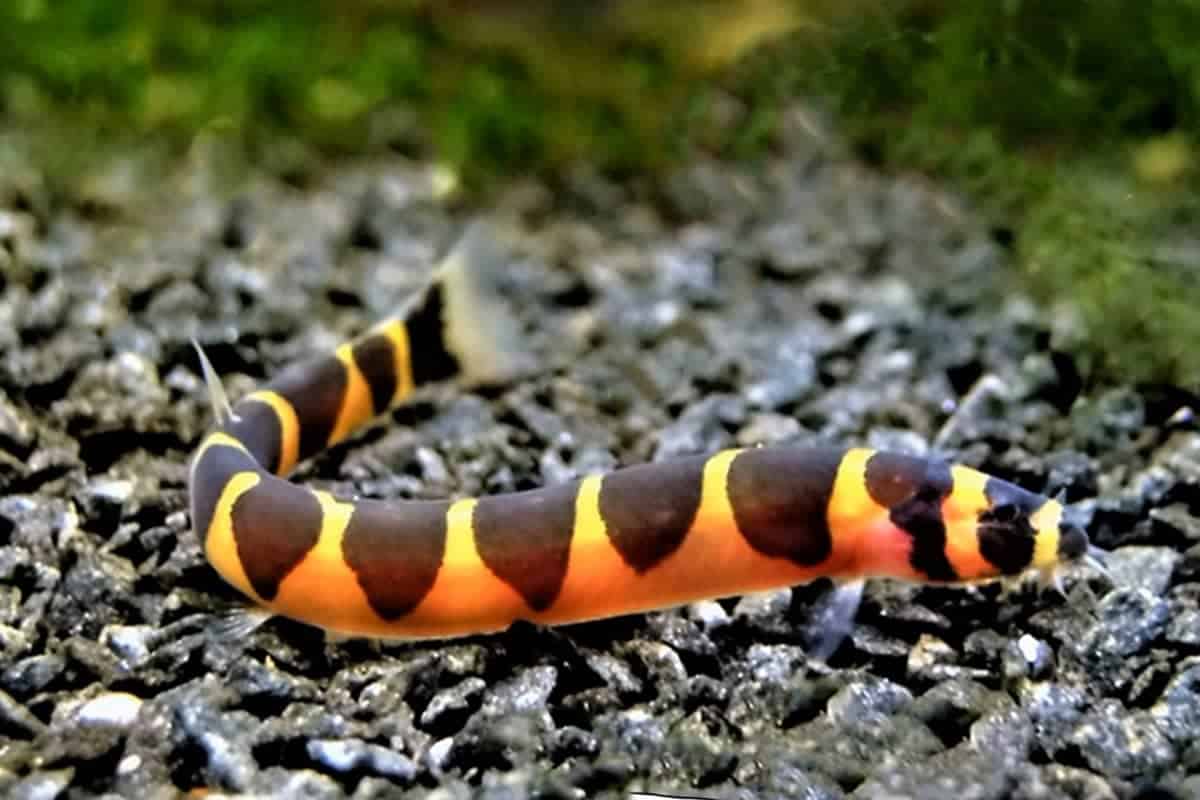
Species profile Pangio kuhlii
Origin
Streams and leaf-litter pools of Sumatra, Borneo and the Malay Peninsula, Southeast Asia
Family
Cobitidae (true loach family)
Adult size
Up to 10 cm (4 in)
Diet
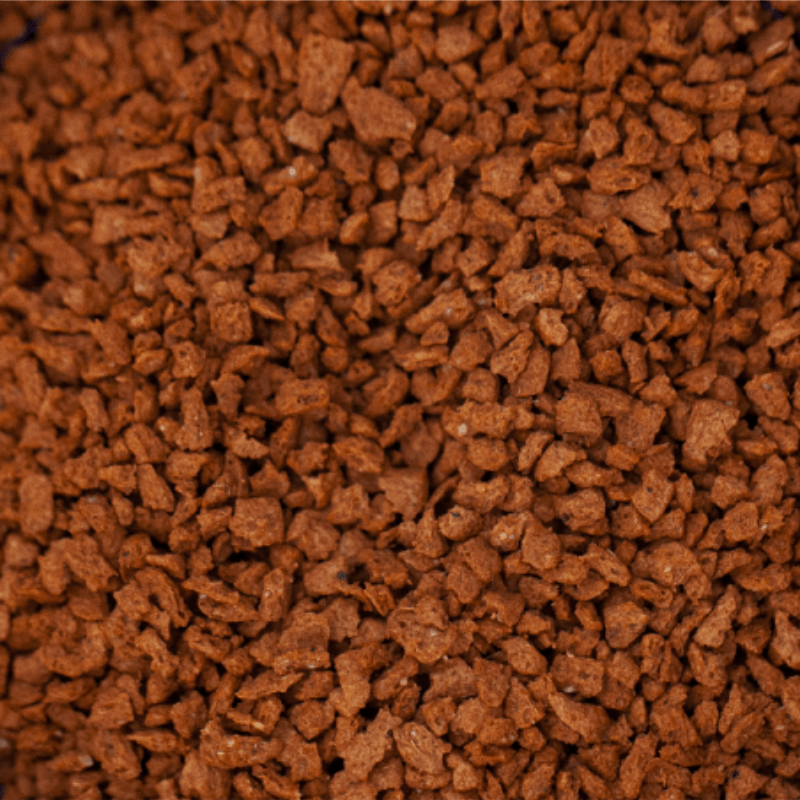
Scavenges sinking pellets, frozen bloodworm and leftover foods from the substrate (Omnivore)
Temperament
Peaceful
Swimming level
Bottom
Minimum group
6+ (shoaling)
Lifespan
10-14 years
Minimum tank
75 L (20 gal)
Water type
Freshwater
Size to scale
10 cm adult length, shown to scale against an iPhone 15 Pro (14.66 cm).
Natural range
Where it comes from — Southeast Asia
Streams and leaf-litter pools of Sumatra, Borneo and the Malay Peninsula, Southeast Asia
Water
Singapore tap water vs its needs
Hardness: Soft (1-8 dGH).
In the aquarium
How it lives in the tank
Swims in the bottom of the tank
Keep in a group of 6+
Sensitivity Index — Hardy
Hardy and beginner-friendly; keep up routine water changes and it will thrive.
Our own read on how forgiving this species is of water changes — not a formal standard.
Keeping & care
What this fish needs
Family
About the Cobitidae family true loach family
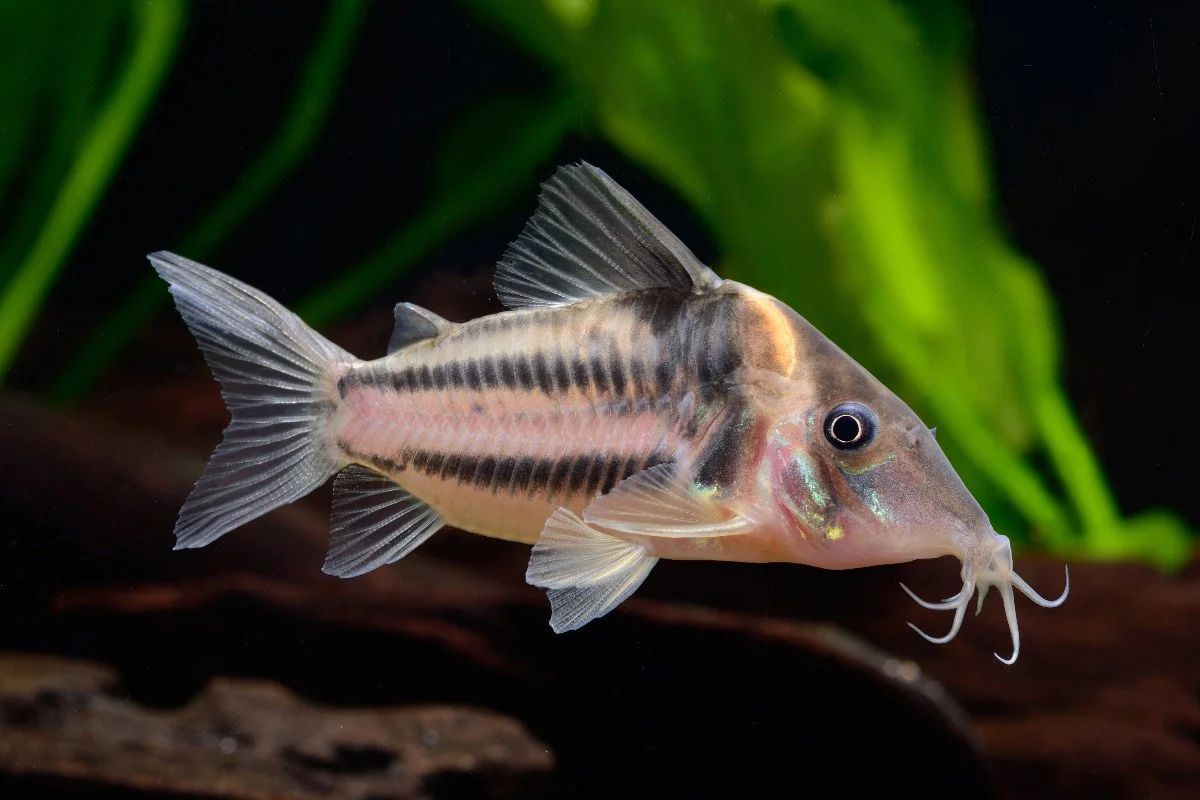
Cobitidae, the true or spined loaches, is a family of roughly 260 elongated, bottom-dwelling freshwater fishes native to Eurasia and Morocco, well represented in Southeast Asia. Aquarium members range from slender, eel-like kuhli loaches (Pangio) to the sturdier weather/dojo loach (Misgurnus) and horseface and spined loaches (Acantopsis, Cobitis); most are peaceful, sociable, largely nocturnal scavengers that appreciate soft substrate and cover. They are generally hardy and undemanding, though as scaleless or fine-scaled fish they are sensitive to poor water quality and some medications.
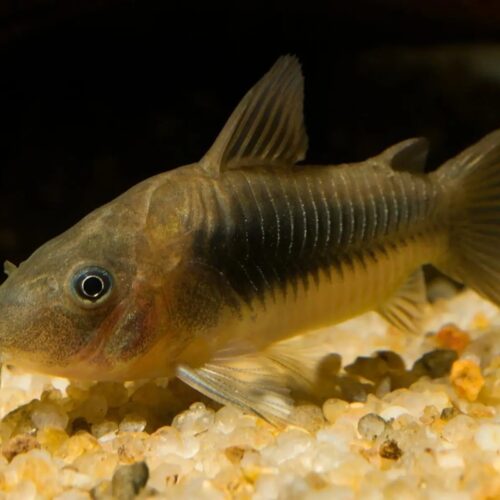
Keep them in groups of five or more over a soft sand or fine-gravel substrate with plenty of shade, wood and plant cover; they are gentle, largely nocturnal bottom-feeders that pose no threat to shrimp adults or plants and suit a calm planted community.
Breeding
Egg-scatterer (rarely bred in the home aquarium)Most Cobitidae are egg-scattering spawners that release adhesive eggs among plants or substrate and give no parental care, but very few are bred successfully in home aquaria. Popular species such as the kuhli loach spawn only rarely in tanks, typically requiring mature groups, soft acidic water, dense planting and cover; the great majority of trade stock is commercially farmed, often with hormonal induction. The weather/dojo loach is among the easier members to spawn but still uncommon at home, so hobbyist breeding of this family should be treated as an advanced, low-success project.
Feeding
Recommended food
Compatibility
Best tankmates
Community