
Bristlenose Pleco Colour Morphs: Albino, Super Red and Longfin
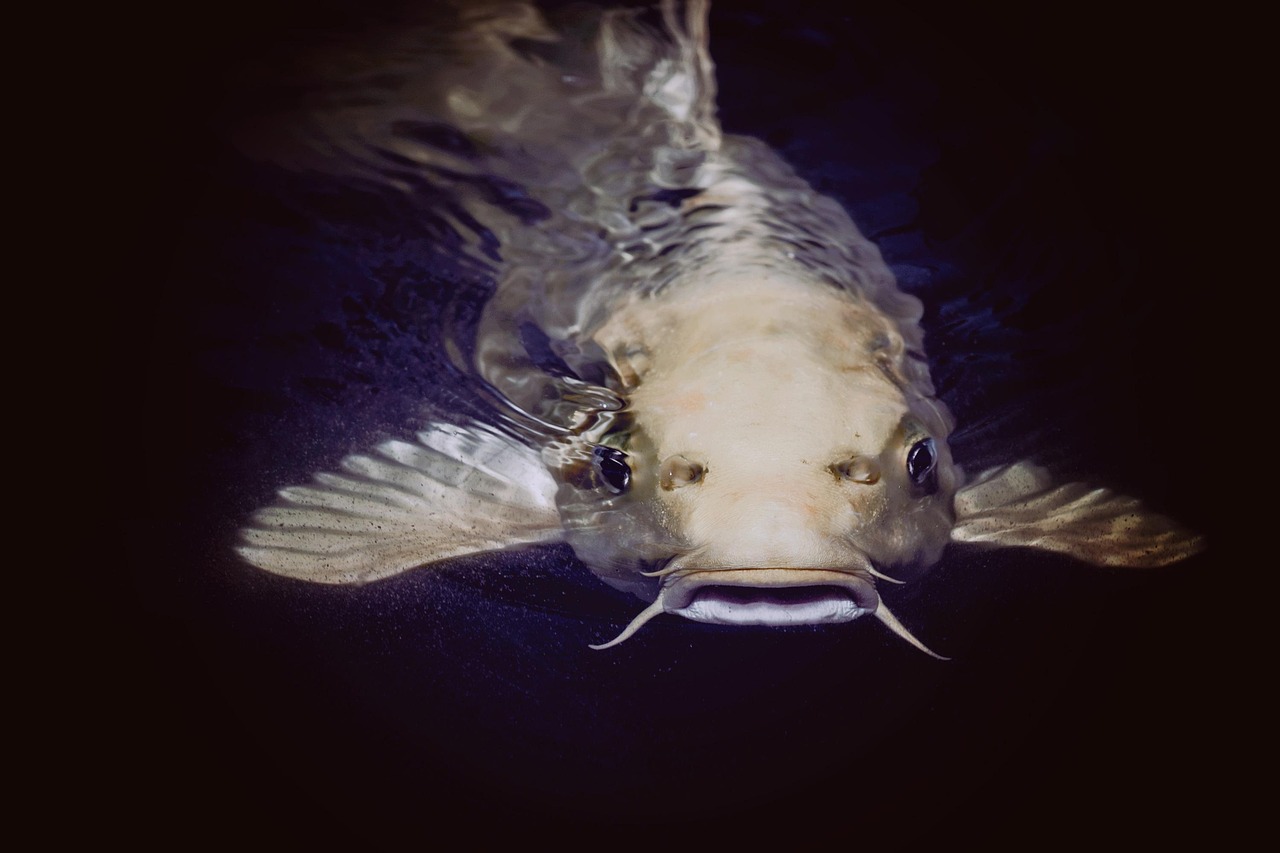
Walk into any aquarium shop in Singapore and you are almost certain to find at least one bristlenose pleco — but the standard brown specimen barely hints at the range of forms this species has produced in captivity. Bristlenose pleco colour morphs now span from electric lemon yellow to deep arterial red, from clean white to chocolate brown with white polka dots, and the fin shapes have diversified just as dramatically. This guide from Gensou Aquascaping at 5 Everton Park, Singapore covers the most widely kept morphs, their distinguishing characteristics, and any care differences that actually matter.
The Wild-Type Bristlenose
Ancistrus cirrhosus in its natural form is a mottled grey-brown with pale spots — excellent camouflage against river substrate. Wild-types are the hardiest, most disease-resistant form and typically the cheapest. In Singapore they retail at around $3–$6 depending on size. Males develop the characteristic branched bristles on the snout; females develop smaller bristles around the mouth rim only. This foundational morph is the best choice for anyone new to plecos or building a working cleanup crew without budget pressure.
Albino Bristlenose
The albino morph — pale yellow-white body with pink eyes — was one of the first colour forms established in the hobby. Despite the dramatic appearance, albino bristlenose are just as hardy as wild-types in appropriately maintained tanks. The lack of melanin does not affect their biology in a tropical freshwater environment. They are, however, slightly more sensitive to very bright light due to the reduced eye pigmentation; providing shaded areas or driftwood caves is more important for albinos than for standard morphs. Prices in Singapore typically run $6–$12 for juveniles.
Super Red Bristlenose
The super red morph is the most striking of the common forms — a deep, warm red-orange across the entire body, most intense in dominant males. This morph emerged from selective breeding programmes, and colour intensity is directly linked to genetics, diet, and water temperature. Cooler water (24–26°C) and a diet rich in carotenoids — spirulina wafers, blanched red capsicum, and colour-enhancing sinking pellets — preserve and deepen the red significantly. At Singapore’s typical ambient room temperature of 28–30°C, the red can fade to a washed-out orange; a small fan or chiller is worth considering if maintaining morph quality matters to you.
Super reds carry a price premium: juveniles at 3–4 cm cost roughly $15–$25 at specialist shops, with proven breeding adults considerably more.
Longfin and Super Longfin Variants
The longfin gene produces dramatically extended dorsal, pectoral, and caudal fins that flow behind the fish as it moves — an effect that reads as elegant against a planted background. Super longfin individuals carry two copies of the gene and have even more extreme finnage that can impair swimming in strong currents. Both variants require calmer water flow than standard bristlenose; their long fins are susceptible to damage from aggressive tank mates and to bacterial infection if water quality lapses. Most longfin morphs are available in combination with other colour forms — longfin albino and longfin super red are both produced locally by several breeders.
Lemon Drop and Yellow Morphs
Less commonly seen but increasingly available on Carousell and at specialist shops, the lemon drop and yellow morphs produce a butter-yellow to pale gold body with no spots or reduced spotting. These are visually striking in a dark-substrate planted tank. Care requirements are identical to wild-type; the colour is genetically stable once established in a breeding line, though juveniles often appear pale and unremarkable until they approach adult size at 8–10 cm.
Starlight Bristlenose
The starlight — also sometimes sold as Ancistrus sp. L183 — is a distinct species rather than a colour morph of A. cirrhosus, though it is kept and bred identically. Its near-black body is covered in small, bright white spots, giving a night-sky appearance. It requires soft, slightly acidic water (pH 6.0–7.0) and is somewhat less adaptable to harder or alkaline conditions than the standard bristlenose. Worth noting because it is sometimes sold alongside colour morphs without the species distinction being made clear.
Choosing the Right Morph for Your Tank
All bristlenose morphs share the same basic requirements: a minimum tank size of 80 litres for an adult, driftwood as a dietary and territorial necessity, good oxygenation, and a diet that mixes algae wafers, blanched vegetables, and occasional protein. The practical differences between morphs come down to colour maintenance (super red benefits from cooler water), fin care (longfins need gentle flow), and budget. For a planted display tank, the super red longfin is the most visually dramatic choice; for a workhorse algae-eater, the wild-type or albino delivers the same performance at a fraction of the price.
Related Reading



