
Albino Bristlenose Pleco Care Guide: Pale and Popular
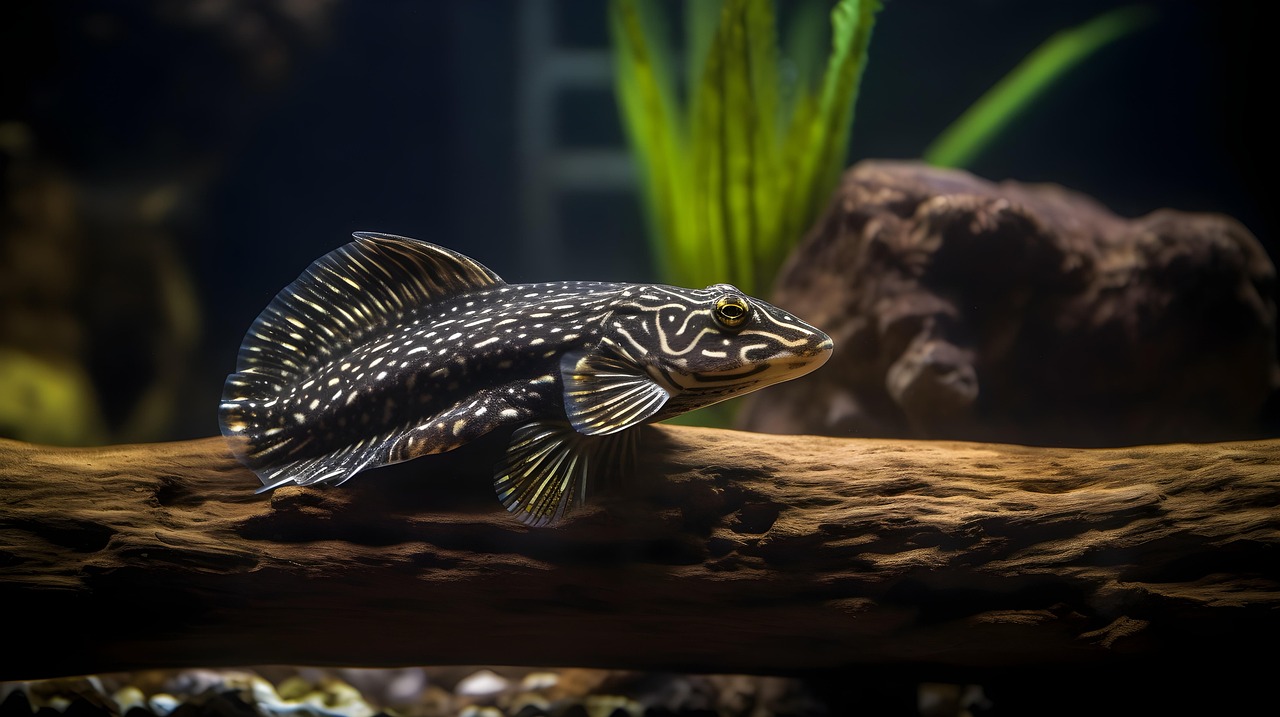
The albino bristlenose pleco (Ancistrus cf. cirrhosus) is arguably the most popular algae-eating catfish in the freshwater hobby, and for good reason. Compact, peaceful and genuinely useful, it earns its place in almost any community tank. This albino bristlenose pleco care guide from Gensou Aquascaping at 5 Everton Park, Singapore, walks you through care essentials, diet and breeding. Their pale golden body and distinctive facial bristles on mature males make them as interesting to watch as they are functional.
Identification and Size
Albino bristlenose plecos display a creamy yellow to pale orange body without the typical dark patterning of wild-type individuals. Males develop prominent fleshy tentacles (bristles) on the snout from around 6 months of age, while females have minimal or no bristles along the lip margin only. Adults reach 10-13 cm, making them far more manageable than common plecos (Pterygoplichthys species) that grow past 40 cm. This compact size is the single biggest advantage for Singapore hobbyists with space constraints.
Tank Setup
Provide at least 80 litres for a single specimen or pair. Include driftwood, which bristlenose plecos rasp on for dietary fibre and supplemental biofilm. Caves made from ceramic tubes, coconut shells or stacked rocks are essential, especially for breeding. Keep at least one cave per pleco. Planted tanks suit them well, though they may occasionally damage soft-leaved plants like Echinodorus if underfed. Hardy plants such as Java fern and Anubias are safe choices.
Water Parameters
Bristlenose plecos tolerate a broad range: pH 6.0-7.8, GH 3-15 and temperatures of 22-28 °C. Singapore’s dechlorinated PUB tap water suits them without any buffering. At ambient temperatures of 28-30 °C, they do fine, though prolonged heat above 30 °C can reduce dissolved oxygen. Ensure good surface agitation or use an airstone during warmer months. Weekly 25-30% water changes keep nitrate in check, which is important as these fish produce a fair amount of waste.
Diet
Do not rely on algae alone to feed your bristlenose. While they graze on biofilm and soft green algae, they need supplementary feeding. Offer sinking algae wafers as the daily staple and supplement with blanched zucchini, cucumber, spinach or shelled peas two to three times per week. Occasional protein in the form of frozen bloodworms or sinking shrimp pellets rounds out the diet. Drop wafers in after lights-out since bristlenose plecos are most active at night. A 100 g tin of quality algae wafers costs about $8-12 on Shopee.
Behaviour and Tank Mates
Albino bristlenose plecos are peaceful bottom dwellers. Males can be territorial towards other males if cave space is limited, but aggression rarely escalates beyond brief posturing. They coexist peacefully with tetras, rasboras, corydoras, gouramis, shrimp and most community fish. Avoid housing them with large, aggressive cichlids that might harass them. Two males in the same tank need at least two caves positioned well apart.
Breeding
Breeding is straightforward once a pair bonds. The male claims a cave, cleans it meticulously and lures the female inside. She deposits 30-80 orange eggs on the cave ceiling, and the male guards and fans them for 4-10 days until hatching. Fry absorb their yolk sac over another 2-3 days before venturing out. Feed fry blanched courgette and crushed algae wafers. A breeding pair in good condition can spawn every four to six weeks. Surplus juveniles sell readily on Carousell for $2-4 each.
Common Health Issues
Watch for sunken belly, which indicates internal parasites or insufficient food. Treat with a broad-spectrum anti-parasitic if feeding does not resolve it within a week. White spot (ich) occasionally affects them after water temperature drops. They can be sensitive to certain medications containing copper, so always check product labels before dosing. Driftwood in the tank supports digestive health and should be considered essential rather than decorative.
Suitability for Singapore Tanks
Their manageable size, tolerance for warm water and genuine algae-cleaning ability make albino bristlenose plecos ideal for HDB and condo setups. A single specimen in a 100-litre planted community tank handles green algae on glass and hardscape effectively. Gensou Aquascaping, with over 20 years of experience, recommends them as a first-choice algae crew member for almost any freshwater layout following this albino bristlenose pleco care guide.
Related Reading
- How to Breed Bristlenose Plecos: Caves, Fry and Tips
- Bristlenose Pleco Colour Morphs: Albino, Super Red and Longfin
- Bristlenose Pleco Diet and Feeding Guide: Algae, Veggies and Wood
- Clown Pleco vs Bristlenose Pleco: Size, Diet and Algae Eating
- Blue Phantom Pleco Care Guide: L128 Slate-Blue Beauty
If the albino bristlenose has you hooked on plecos, the strikingly patterned Queen Arabesque is a beautiful next step — our queen arabesque pleco care guide covers its more specific care needs.



