
Bumblebee Goby Care Guide: The Bold Little Brackish Fish
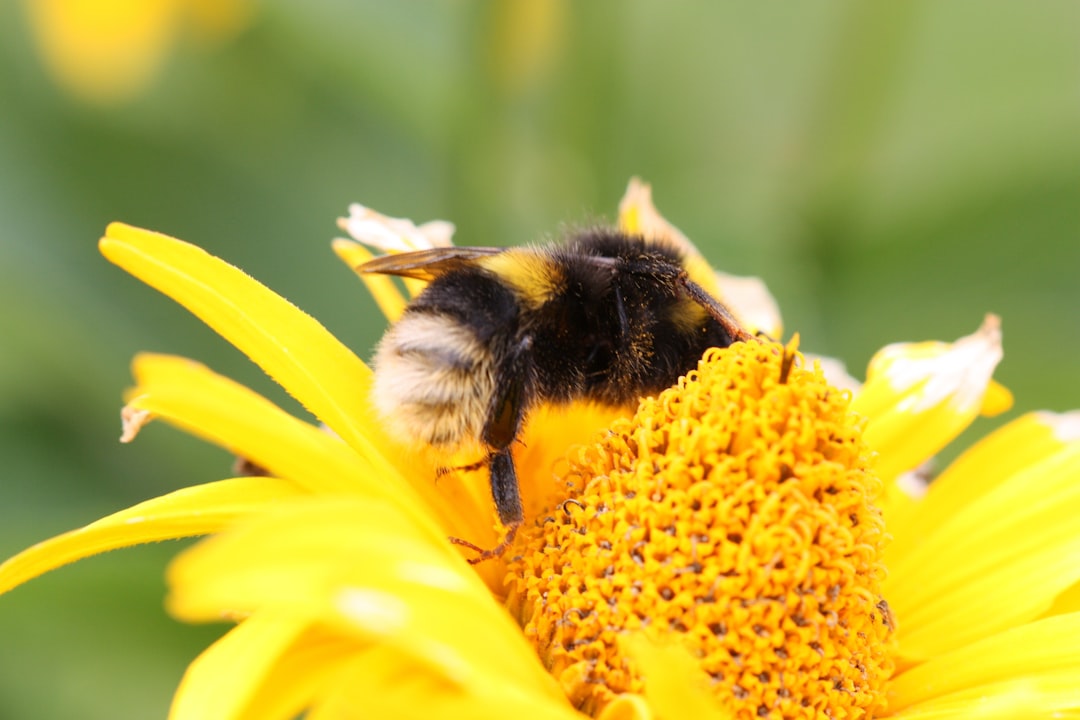
Bumblebee Goby Care Guide: The Bold Little Brackish Fish
Few fish pack as much personality per centimetre as the bumblebee goby. These tiny, boldly striped bottom-dwellers perch on rocks with an almost frog-like posture, watching the world with large, expressive eyes. But keeping them requires understanding two key challenges: their diet and the freshwater-versus-brackish debate. This bumblebee goby care guide covers both.
Table of Contents
- Species Identification: Freshwater or Brackish?
- Appearance
- Tank Setup
- Water Parameters
- Feeding: The Biggest Challenge
- Behaviour and Territoriality
- Tank Mates
- Breeding
- Frequently Asked Questions
Species Identification: Freshwater or Brackish?
Whether bumblebee gobies need freshwater or brackish depends on which species you have — and telling them apart is not straightforward. Several species share the common name:
- Brachygobius xanthozonus — The “true” bumblebee goby. Primarily found in brackish water habitats in Southeast Asia. Benefits from low-level salt addition (specific gravity 1.002-1.006).
- Brachygobius doriae — A very similar-looking species that inhabits pure freshwater peat swamps and streams. Does not need salt.
- Brachygobius nunus — Another commonly traded species, generally considered a freshwater species.
In practice, accurate identification is difficult. The practical approach: if your gobies thrive in freshwater, leave them be. If they seem lethargic or prone to disease, try adding marine salt to a specific gravity of 1.002-1.004. Many experienced keepers find a very light brackish setup suits all commonly available species.
Appearance
Adults reach just 3-4 cm with striking yellow and black banding. Their fused pelvic fins form a small suction disc that allows them to perch on surfaces rather than swim continuously. Healthy specimens show vivid, well-defined bands; stress or poor diet causes fading.
Tank Setup
Bumblebee gobies do not need a large tank. A dedicated species tank of 40-60 litres is sufficient for a small group of six to eight. Given their bottom-dwelling nature, floor space matters more than water depth.
Substrate and Hardscape
Fine sand or small smooth gravel works well as a substrate. The key to a successful bumblebee goby tank is abundant hiding spots and territory markers:
- Small caves formed from rocks, coconut shells, or PVC pipe sections
- Driftwood with crevices and hollows
- Dense plant clusters that break sightlines
- Small terracotta pots or purpose-made ceramic caves
Each male will claim a small territory, so providing more hiding spots than fish reduces conflict. Arrange hardscape to create multiple distinct territories with visual barriers between them.
Plants
If keeping bumblebee gobies in freshwater, standard aquarium plants like java fern, anubias, and mosses work well. In a lightly brackish setup, these same hardy species generally tolerate the low salt levels (SG 1.002-1.004) without issue. Java fern in particular is remarkably salt-tolerant. Avoid delicate stem plants in brackish conditions.
Water Parameters
| Parameter | Freshwater Setup | Brackish Setup |
|---|---|---|
| Temperature | 24-30 °C | 24-30 °C |
| pH | 7.0-8.0 | 7.5-8.5 |
| GH | 8-20 dGH | 10-25 dGH |
| Specific gravity | 1.000 | 1.002-1.006 |
Singapore’s warm ambient temperatures of 28-32 °C are within the acceptable range, though the upper end. Good aeration helps compensate for reduced oxygen solubility at higher temperatures. PUB tap water, after chloramine treatment, is suitable for freshwater setups; its moderate hardness and neutral pH align well with the fish’s needs.
For brackish setups, use marine salt (not table salt or aquarium “tonic” salt) to achieve the desired specific gravity. A refractometer or hydrometer is essential for accurate measurement. If you need guidance on setting up a specialised tank, our custom aquarium service can help design the ideal environment.
Feeding: The Biggest Challenge
Feeding is where most bumblebee goby keepers struggle. These fish are overwhelmingly micro-predators that strongly prefer live food. Many specimens refuse all prepared and frozen foods, at least initially, and some never accept them.
A successful feeding strategy typically involves:
- Live foods as the primary diet — Live blackworms, daphnia, baby brine shrimp, mosquito larvae, and grindal worms are all eagerly accepted. In Singapore, live bloodworms and daphnia are readily available from local fish shops.
- Frozen foods as supplements — Frozen bloodworms, brine shrimp, and daphnia may be accepted, especially if you wean the fish onto them gradually. Use tweezers or a pipette to deliver frozen food directly in front of the gobies, as they rely heavily on movement to trigger a feeding response.
- Prepared foods — Some individuals learn to accept sinking micro pellets over time, but this should never be relied upon as the sole food source. Consider it a bonus if your fish accept dry food.
Feed small amounts twice daily. Bumblebee gobies are slow, deliberate feeders that take their time pursuing and capturing each food item. In a community setting, faster fish will easily outcompete them, which is one reason a species-only tank is often recommended.
Behaviour and Territoriality
Bumblebee gobies are endearing to watch. They perch on surfaces, hopping from rock to rock with short bursts of swimming, and stare at the world with their oversized eyes. Their movements are deliberate rather than fluid, and they spend long periods sitting still, surveying their surroundings.
Males are territorial and will defend a small area, typically around a cave or sheltered spot. Territorial disputes involve flaring, colour intensification, and brief chases, but actual physical damage is rare. Providing more caves than males ensures everyone has a retreat.
Despite their territorial nature, they are best kept in groups of six or more. The social dynamics within a group are fascinating, and single specimens tend to hide perpetually.
Tank Mates
Choosing tank mates for bumblebee gobies requires careful thought. The two main concerns are:
- Feeding competition — Any fast-swimming, aggressive feeder will outcompete bumblebee gobies for food, potentially leading to starvation.
- Size — At 3-4 cm, bumblebee gobies are vulnerable to predation by larger fish.
Suitable tank mates in freshwater include:
- Cherry shrimp (may lose some shrimplets to predation)
- Otocinclus catfish
- Small, peaceful rasboras
- Nerite snails
- Endler’s livebearers (tolerant of light salt if using brackish conditions)
In a brackish setup, compatible species are more limited. Endler’s livebearers, mollies, and some killifish tolerate low-level brackish conditions. Alternatively, a species-only tank is the simplest and most reliable approach.
Breeding
Bumblebee gobies can be bred in home aquariums, though it requires some effort. Males select and guard small caves as spawning sites, vigorously defending them from other males while attempting to attract females with displays.
The female deposits adhesive eggs on the ceiling of the cave, and the male guards them until hatching (approximately 4-7 days at tropical temperatures). The male’s dedication during this period is remarkable; he rarely leaves the cave and fans the eggs to keep them oxygenated.
Fry are tiny and require infusoria or liquid fry food initially, graduating to freshly hatched brine shrimp nauplii after a few days. Raising fry is best done in a separate container with matching water parameters, as adults and other tank inhabitants will prey on them.
Frequently Asked Questions
Do bumblebee gobies need salt in their water?
It depends on the species. Some (B. xanthozonus) benefit from lightly brackish water, while others (B. doriae, B. nunus) are pure freshwater fish. Since species identification is difficult, observe your fish: if they are thriving in freshwater, leave them be. If they seem unhealthy or prone to disease, try adding marine salt to a specific gravity of 1.002-1.004. Many keepers find that a very light brackish setup suits all commonly available species.
Why will my bumblebee gobies not eat?
The most common reason is offering the wrong type of food. Bumblebee gobies are micro-predators that strongly prefer live, moving food. Try live blackworms, daphnia, or baby brine shrimp. If using frozen food, deliver it directly in front of the fish with tweezers to simulate movement. Newly acquired specimens may also refuse food for several days due to stress; give them time to settle in a calm, well-decorated tank.
Can I keep a single bumblebee goby?
Technically yes, but it is not recommended. Single specimens tend to be shy and reclusive, spending nearly all their time hidden. A group of six or more shows much more natural, confident behaviour. The social interactions between individuals, particularly territorial displays among males, are a major part of what makes these fish entertaining to keep.
Bring Home These Bold Little Characters
Bumblebee gobies are not the easiest fish to keep, primarily because of their dietary preferences. But for hobbyists willing to provide live foods and a thoughtfully designed tank, they reward with personality that far outweighs their size. Their perching behaviour, expressive faces, and bold banding make them one of the most characterful nano fish available.
Drop by Gensou Aquascaping at 5 Everton Park to see bumblebee gobies and pick up live foods for them. With over 20 years of experience, we can help you decide whether a freshwater or lightly brackish setup is right for your situation. Contact us for advice.
Related Reading



