
Cherry Shrimp Grading Guide: From Cherry to Painted Fire Red
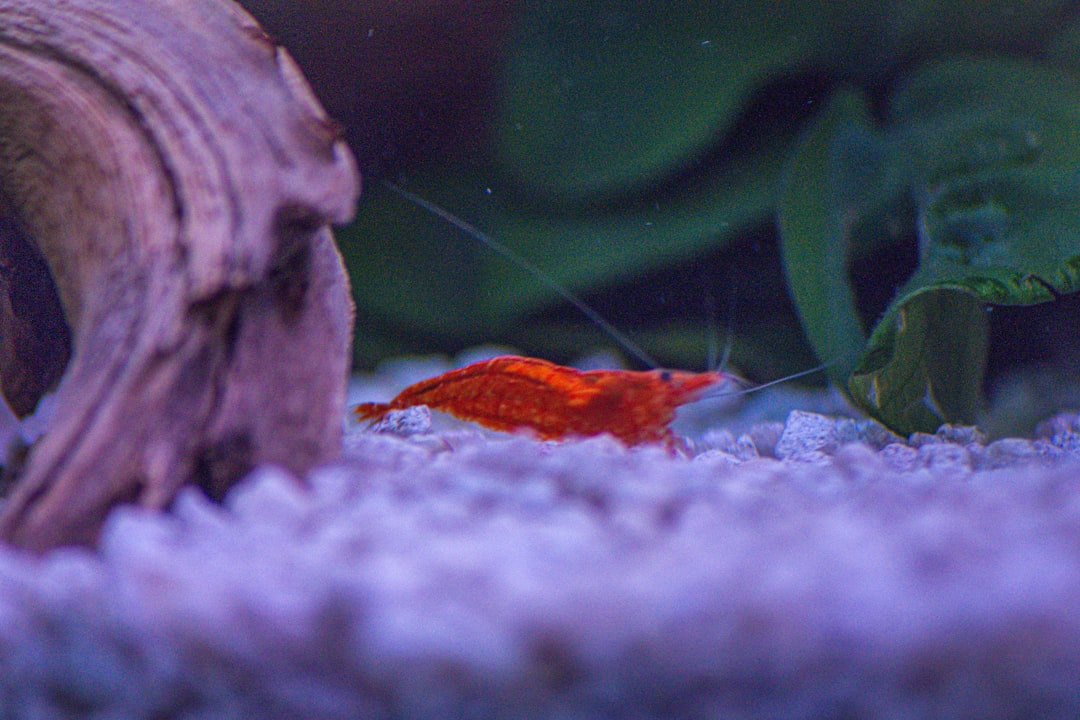
Cherry Shrimp Grading Guide: From Cherry to Painted Fire Red
Regular cherry, sakura, fire red, painted fire red — what do these grades actually mean, and why does the price jump from a few dollars to over twenty dollars per shrimp? This cherry shrimp grading guide explains the full grading system, covers colour variants beyond red, and shares advice on selective breeding for higher grades.
Table of Contents
- How Cherry Shrimp Grading Works
- Red Cherry Shrimp Grades
- Grading Comparison Table
- Beyond Red: Colour Variants
- What Graders Look For
- Selective Breeding for Higher Grades
- Culling Ethics
- Price Differences in Singapore
- Frequently Asked Questions
How Cherry Shrimp Grading Works
All cherry shrimp are Neocaridina davidi. The wild form is a dull, translucent grey-brown; through decades of selective breeding, strains with increasingly intense, opaque colouration have been developed.
Grading ranks colour intensity and coverage. Higher grades display deeper, more opaque colour covering the entire body, including legs. It is not an exact science — grades vary between sellers — but the general hierarchy is widely accepted.
Red Cherry Shrimp Grades
The red colour line is the original and most popular. From lowest to highest grade:
Regular Cherry (Lowest Grade)
Females show light, translucent red-pink with clear patches. Males are often almost translucent. Perfectly healthy; simply not selectively bred for colour.
Sakura Grade
More consistent, deeper red across most of the body, though some translucency remains. Males show noticeably more red. The most commonly sold grade in Singapore.
Fire Red Grade
Dense, opaque red covering the entire body. The difference from sakura is immediately obvious side by side. Even males display solid red, though legs may show some translucency.
Painted Fire Red (Highest Red Grade)
Completely opaque, deep crimson across the entire body, including legs. Even the underside and joints show solid colour. Males and females are both deeply coloured. These are stunning shrimp that create maximum visual impact.
Grading Comparison Table
| Grade | Colour Coverage | Opacity | Leg Colour | Male Colour | Typical SGD Price |
|---|---|---|---|---|---|
| Regular Cherry | Partial, patchy | Semi-translucent | Clear | Faint tint | $1-2 each |
| Sakura | Mostly covered | Moderate | Mostly clear | Light red | $2-4 each |
| Fire Red | Full body | High | Some colour | Solid red | $4-8 each |
| Painted Fire Red | Complete | Fully opaque | Red | Deep red | $8-20 each |
Beyond Red: Colour Variants
While red cherry shrimp remain the most popular, selective breeding has produced a remarkable range of Neocaridina davidi colour variants. Some of the most sought-after include:
- Bloody Mary — A deep, wine-red that differs from standard red lines in that the red pigment comes from within the tissue rather than the shell. They appear to glow under certain lighting. Often commands premium prices.
- Blue Dream — A rich, opaque blue that looks stunning against green plants. One of the most popular non-red variants in Singapore.
- Green Jade — Ranging from translucent jade to deep forest green. Less commonly available than red or blue variants.
- Orange Sakura — Bright, warm orange colouration. Cheerful and eye-catching against dark substrates.
- Yellow (Golden Back) — Bright lemon yellow, sometimes with a golden dorsal stripe. Pairs beautifully with dark hardscape and green plants.
- Chocolate — Deep brown colouration, sometimes with a reddish undertone. Unusual and distinctive.
- Rili variants — Any colour variant with a characteristic pattern of coloured head and tail sections separated by a translucent mid-body. Red rili, blue rili, and carbon rili are popular.
An important note: interbreeding different colour variants will generally produce wild-type offspring within a few generations. If you want to maintain the colour purity of a particular line, keep each colour variant in its own tank. For more on cherry shrimp keeping fundamentals, see our cherry shrimp care guide.
What Graders Look For
Experienced breeders evaluate:
- Colour depth — Intensity and saturation of hue.
- Opacity — Higher grades are fully opaque with no translucent areas.
- Coverage — Does colour extend to legs, underside, and joints?
- Consistency — Even colour across the body, no patchy areas.
- Male quality — Higher-grade lines should show strong male colour too.
Note that diet, substrate colour, and lighting all affect appearance. A sakura on dark substrate can appear fire red, while a fire red on light substrate may look underwhelming. Grade under consistent conditions.
Selective Breeding for Higher Grades
The process is straightforward in principle:
- Start with the best stock you can afford. Maintaining a high-grade line is far easier than upgrading from low-grade.
- Remove lower-grade individuals. Separate shrimp that do not meet your colour standard (the “culling” process).
- Introduce fresh genetics every six to twelve months from a different breeder to prevent inbreeding depression.
- Optimise conditions. Dark substrate, astaxanthin-rich foods, stable parameters, and reduced stress help shrimp express their best colour.
For detailed breeding techniques, see our guide on how to breed cherry shrimp.
Culling Ethics
The word “culling” sounds harsh, and it is worth addressing the ethics directly. In shrimp keeping, culling does not necessarily mean killing. Most hobbyists simply move lower-grade shrimp to a separate tank, sell or trade them, give them to friends, or use them in tanks where colour quality is not the priority.
Lower-grade shrimp are still healthy, active, and perfectly good aquarium inhabitants. They are excellent additions to community tanks where they serve as part of the cleanup crew, or as colony starters for someone new to the hobby.
The only scenario where more decisive culling may be necessary is to prevent wild-type reversion in a colour line. Wild-type-coloured offspring should not be allowed to breed back into a selectively bred colony, as they can set back the colour quality of the entire line within a few generations.
Price Differences in Singapore
Cherry shrimp pricing in Singapore reflects grade, colour variant, and source. As a general guide:
- Regular cherry: $1-2 per shrimp, often sold in bundles of 10-20.
- Sakura: $2-4 per shrimp.
- Fire red: $4-8 per shrimp.
- Painted fire red: $8-20 per shrimp, occasionally higher for exceptional specimens.
- Speciality colours (Blue Dream, Bloody Mary): $5-15 per shrimp depending on grade and availability.
Prices at local fish shops tend to be slightly higher than online sellers or hobbyist breeders, but you get the advantage of seeing the shrimp in person before purchasing. We stock a rotating selection of graded cherry shrimp at our shop at 5 Everton Park.
Frequently Asked Questions
Will my cherry shrimp lose colour over generations?
Without selective breeding (removing lower-grade individuals), yes. Over time, a colony will tend to revert toward the wild-type colouration as genetic diversity increases. Regular culling of pale or translucent individuals and occasional introduction of fresh, high-grade stock prevents this. The higher the grade you start with, the slower the reversion process.
Does substrate colour affect shrimp grading?
Substrate colour does not change the shrimp’s actual genetics, but it dramatically affects how they look. Cherry shrimp display deeper, more intense colour on dark substrates (black aquasoil, dark gravel) and appear paler on light substrates (white sand, light-coloured gravel). For the best visual impact and most accurate grading, use a dark substrate.
Can I mix different colour variants in one tank?
You can, but the offspring will gradually revert to wild-type colouration as the colour genes recombine. If you want to enjoy multiple colours, keep each variant in its own tank. If visual variety is your goal and you do not mind eventual wild-type offspring, mixing is harmless — the shrimp are all the same species and get along fine.
How long does it take to upgrade a colony’s grade?
Starting from sakura-grade stock and selectively breeding toward fire red, expect noticeable improvement within three to four generations (roughly six to nine months in Singapore’s warm water, where breeding is continuous). Reaching painted fire red from sakura may take a year or more of consistent selective breeding. Starting with higher-grade stock significantly accelerates the process.
Build Your Dream Colony
Cherry shrimp grading adds a fascinating dimension to shrimp keeping, turning it from a simple hobby into a selective breeding project with tangible, visual results. Whether you are happy with a vibrant colony of sakura-grade shrimp or aspiring to breed competition-quality painted fire reds, the journey is as rewarding as the destination.
Visit Gensou Aquascaping at 5 Everton Park to browse our current cherry shrimp stock across multiple grades and colour variants. With over 20 years of experience, we can advise on the best starting stock for your goals and help you set up the ideal breeding environment. Get in touch to learn more.



