
Candy Cane Coral Care Guide: Caulastrea Furcata Placement
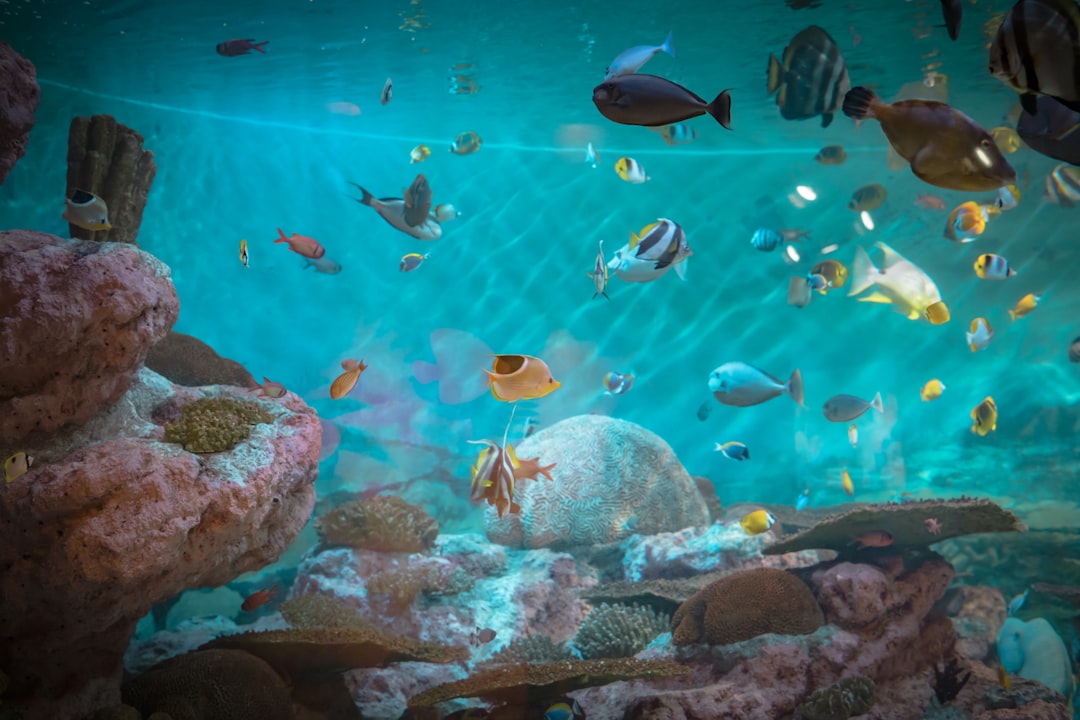
Few LPS corals are as forgiving for new reefers as the candy cane coral (Caulastrea furcata), a branching colony of trumpet-shaped polyps in cream, green or fluorescent toxic-green that thrives across a remarkable range of light and flow conditions. They are inexpensive, fast-growing and split readily into new heads, making them one of the best entry points into LPS keeping. This guide from Gensou Aquascaping at 5 Everton Park covers placement, feeding response and the small mistakes that turn a thriving colony into a melted skeleton.
Identification
Caulastrea furcata shows tubular branches each ending in a single trumpet-shaped polyp. Common colour morphs include cream, neon green, two-tone (green centre with brown rim) and rare blue or red strains. The closely related Caulastrea echinulata has the same care profile but smaller polyps. Both are sometimes sold simply as “trumpet coral” — same species, same care.
Lighting and PAR Range
Candy cane coral tolerates a wide PAR window from 50 to 250 µmol — low to medium-low intensity. Too much light bleaches them within weeks; too little starves the zooxanthellae. The sweet spot is 100-180 µmol on most reef LEDs at mid-rock placement. They do not need bright SPS-tier lighting, which makes them perfect for nano reefs running modest fixtures.
Flow and Placement
Low to moderate flow. They extend feeding tentacles in gentle current and retract under blasting flow. Place them on mid-rock ledges or sand flats where flow is dispersed rather than direct. Avoid placing them under direct wavemaker output. Group multiple frags 5-7 cm apart to allow polyp expansion without overlap. Quality reef LED units, wavemakers and frag plugs sit in the aquarium equipment range.
Feeding Response
Candy canes are voracious eaters. Tentacles emerge after dark or when food is sensed in the water, and they extend up to 2 cm to capture prey. Spot-feed with frozen mysis, cyclops or pellet-grade coral food once or twice weekly. Fed colonies grow 30-50 per cent faster than colonies relying on photosynthesis alone, and individual polyps split into two or three new heads within months.
Aggression and Sweeper Tentacles
Mild aggression. They produce sweeper tentacles that extend 3-5 cm at night and can sting nearby softies and SPS. Maintain at least 7-10 cm of buffer space from neighbouring corals. They are themselves stung by aggressive LPS like hammers, frogspawn and chalice corals, so position them away from those species.
Water Parameters
Standard reef parameters: 25-26°C, salinity 1.025, pH 8.1-8.4, alkalinity 8-9 dKH, calcium 420-450 ppm, magnesium 1300-1380 ppm, nitrate 2-10 ppm, phosphate 0.03-0.08 ppm. They are tolerant of slightly elevated nutrients which actually improves polyp expansion. RODI is essential; salt mix, refractometer and test kits sit in the marine saltwater range.
Splitting and Propagation
Candy canes split readily through head budding. New heads emerge from the side of an existing polyp and grow into independent feeders within two to three months. To frag a colony, cut between heads with a bone cutter, allow 24 hours of healing, and superglue the cut head onto a fresh frag plug. Frag survival rates are above 95 per cent under normal conditions.
Common Issues
Sudden tissue recession from one head outward usually points to alkalinity instability — a 1 dKH swing within 24 hours can trigger STN. Brown jelly disease occasionally affects underfed colonies. Regular gentle flow and consistent dosing prevent both issues. Always quarantine new candy cane frags for two weeks before introduction to check for parasitic flatworms.
Singapore Sourcing
Candy canes are abundant in Singapore reef shops. Iwarna, Aquamarin and most local frag dealers list 2-3 head frags at SGD 25-45 for standard greens and SGD 60-120 for premium colour morphs. Carousell frag traders often have them at lower prices. RDC Reef Discus Centre stocks them weekly. Always inspect for full polyp extension under shop lights — shrunken polyps suggest pest or disease issues.
Beginner Reef Suitability
Candy canes are widely recommended as a first LPS coral because they tolerate parameter swings, light variability and feeding inconsistency that would kill more demanding species. A starter colony of 3-5 heads will easily reach 20+ heads within a year of stable care.
Related Reading



