Chaeto Refugium DIY Build Guide: Lighting, Flow, Macro Algae
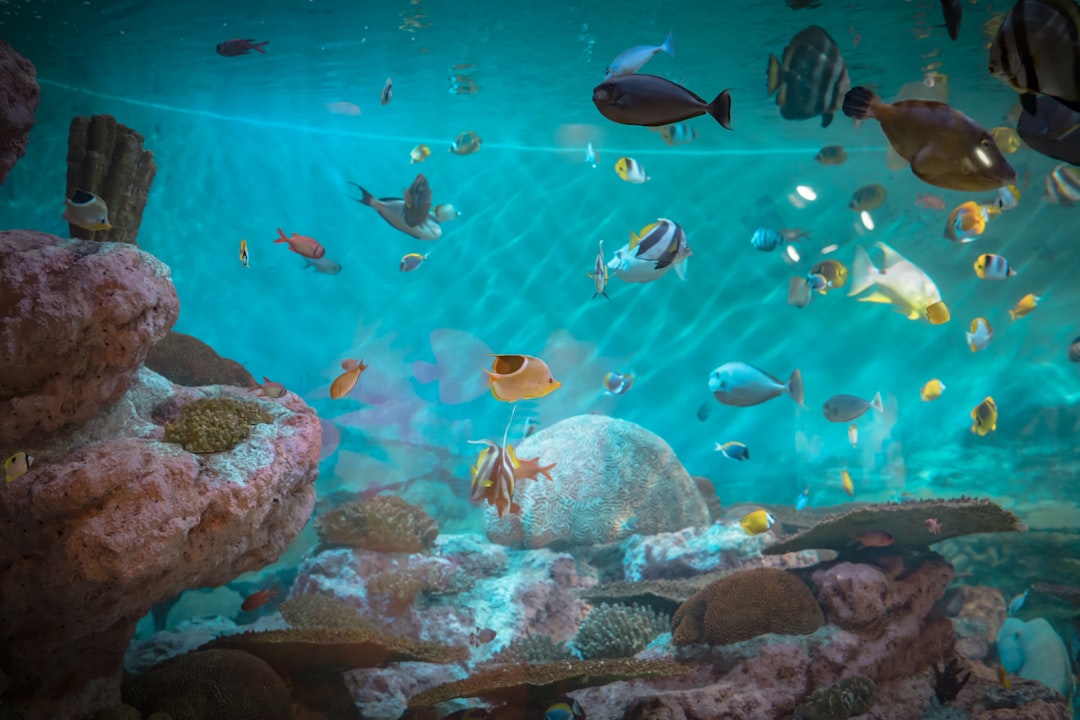
A chaeto refugium is one of the most cost-effective nutrient export tools in modern reefing, quietly pulling nitrate and phosphate from the water while giving pods a safe nursery. This chaeto refugium DIY build guide from Gensou Aquascaping at 5 Everton Park walks through the box, lighting, flow, and macro algae choices that make a refugium worth the chamber space, whether you are building into an AIO compartment, a sump section, or a hanging external box on a nano reef.
Quick Facts
- Minimum functional size: 5 litres (AIO chamber), 15-30 litres (external)
- Flow rate: 2-4x refugium volume per hour (low, laminar)
- Lighting: 20-50 W full spectrum, red-heavy, 6500 K or purpose-built refugium LED
- Photoperiod: 12-24 hours, usually opposite display tank
- Chaeto mass: enough to fill 40-60 percent of chamber loosely
- Expected export: 0.3-1.0 ppm nitrate per week reduction on nano reef
- Budget: $80-200 SGD for DIY, including light, pump, and media
Why Chaeto Works
Chaetomorpha is a fast-growing green macroalga that tumbles loosely in flow rather than anchoring. It absorbs dissolved inorganic nitrogen and phosphorus as nitrate and orthophosphate, then locks those nutrients into biomass you can physically remove. Unlike carbon dosing, it is passive, forgiving of user error, and seeds pod populations that feed mandarins and reef-safe wrasses.
The catch: chaeto needs light, flow, and enough starting mass to survive. A handful lost in a dark chamber is not a refugium, just a slow decline.
Refugium Location Options
Three practical builds suit Singapore nano and mid-size reefs. First, a repurposed AIO back chamber with a small LED clip light, typically chamber two or three in a Waterbox or Red Sea Max. Second, a hang-on-back refugium box such as the CPR Aquafuge or a DIY acrylic equivalent. Third, a dedicated sump section for tanks over 120 litres.
Each has trade-offs. AIO chambers are simplest but small. HOB refugiums are visible and can flood if the siphon breaks. Sump refugiums are the most effective but require a pre-drilled or overflow-fed tank.
DIY Box Construction
A 20 litre external refugium box from 5 mm acrylic sheet is a weekend project. Cut panels on a table saw (or have them cut at Chin Huat Glass or an acrylic fabricator in Kallang), solvent-weld with Weld-On 4, and reinforce corners with 10 mm triangular supports. Include a vertical baffle two-thirds of the way back to slow flow before the return section.
For AIO chamber use, a custom acrylic shelf lifts the chaeto off any mechanical filtration below and directs return flow through the algae mass. A 3D-printed holder works equally well if you have access to a printer.
Lighting the Refugium
Chaeto grows best under light heavy in the red spectrum (around 630-660 nm) and with some blue to support pod photobiology. Commercial options include Kessil H80 Tuna Flora, AI Fuge, and a range of cheap Chinese “plant growth” LEDs on Shopee at $20-40 SGD that work surprisingly well for DIY builds.
Wattage depends on refugium volume. A 20 W light suits 5-10 litres, 30-40 W for 15-25 litres, and 50 W or more for anything larger. Mount 15-25 cm above the algae to avoid bleaching and allow even penetration.
Flow Rate and Tumble
The holy grail is a slow tumble where the chaeto mass rotates gently, exposing all surfaces to light. Too much flow blasts the algae against walls; too little and light only reaches the top. Target flow of 2-4x the refugium volume per hour, delivered through a diffused inlet (a T-fitting with holes, not a single jet).
Add a small air diffuser below the chaeto for extra tumble if purely pump-driven flow stays too directional. A single airstone on a small USB pump gives the rolling motion that keeps the full mass growing.
Starting and Maintaining Chaeto
Source a softball-sized clump from a local reef group, Carousell, or shops in the Thomson cluster. Rinse in saltwater to dislodge hitchhikers (bristleworms, amphipods you want; flatworms you don’t). Reject any chaeto with a yellow or grey tint; that is stressed or dying algae.
Harvest when the mass doubles, typically every 2-4 weeks. Remove roughly a third, never all of it, and compost the excess or trade with other reefers. Regular harvest is how you actually export nutrients; unharvested chaeto releases them back as it decays.
Photoperiod Strategy
Reverse daylight is the standard setup: refugium lights on when the display is dark. This stabilises pH overnight by maintaining photosynthetic CO2 consumption, smoothing the day-night swing from perhaps 8.15-8.35 down to 8.20-8.30. The pH benefit alone justifies the build on many reefs.
For 24-hour lit refugiums, use lower intensity to avoid overheating the chamber. The constant-lit approach works when pH stability matters less than maximum export rate.
Pod Population and Display Integration
Within 4-6 weeks, expect visible amphipod and copepod populations in the chaeto. A mesh-protected overflow or return lets pods drift into the display continuously, feeding mandarins, pipefish, and pickier wrasses. Skip filter socks on the refugium return path; they strain the pods out.
Seed the refugium with a pod bottle (Algaebarn, local reef breeders) if natural colonisation stays sparse after two months. Around $25-35 SGD for a pod starter that kicks the population forward quickly.
Troubleshooting
Chaeto turning yellow indicates low nitrate or iron deficiency. Dose a trace amount of iron (Brightwell Ferrion at label rate) and let nitrate drift up briefly. Chaeto turning brown or mushy suggests low flow or a chemistry crash; check alkalinity and salinity first.
If the refugium stops exporting, check light age (LEDs lose spectrum quality after 12-18 months) and chamber flow. A well-run chaeto refugium DIY build guide setup should run quietly for years with light replacement and occasional chaeto harvests as the main tasks.
Related Reading
Aquascape for Planted Marine Refugium
Aquascape Macro Algae Display Refugium
All in One Reef Tank Comparison
Nano Reef Tank Mistakes to Avoid
Best Protein Skimmers Nano Reef