
Chalinochromis Brichardi Care Guide: Masked Tanganyikan Rock Dweller
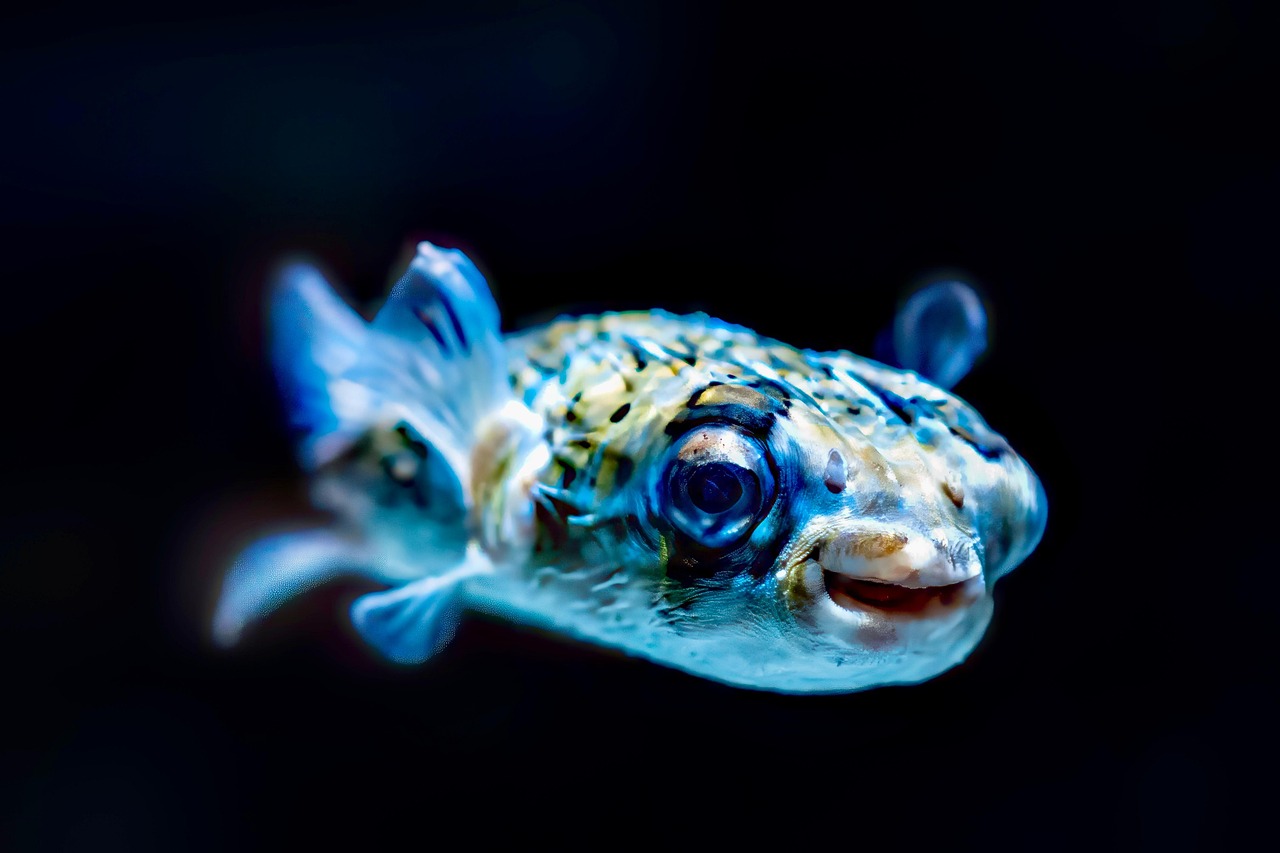
If you are drawn to the understated elegance of Tanganyikan cichlids, Chalinochromis brichardi deserves a spot on your shortlist. This chalinochromis brichardi care guide from Gensou Aquascaping at 5 Everton Park, Singapore, details how to keep this masked rock dweller healthy and breeding. Often overlooked in favour of flashier rift lake species, C. brichardi rewards attentive keepers with fascinating pair-bonding behaviour and a subtle beauty that grows on you over time.
Species Profile
Chalinochromis brichardi originates from the rocky shorelines of Lake Tanganyika in East Africa. Adults reach about 12-15 cm and display a creamy beige body marked by a distinctive dark mask running through the eye. Two recognised forms exist: the standard type and the so-called “bifrenatus” variant with double facial stripes. Both share the same care requirements and mild temperament relative to other Tanganyikan cichlids.
Tank Requirements
A pair can thrive in a 150-litre aquarium, though 200 litres gives you more flexibility for tankmates. Rock stacking is essential: build caves and crevices using inert stone such as Seiryu or ocean rock, ensuring stable structures that cannot topple. Leave narrow gaps between rocks that the fish can enter but potential aggressors cannot. Sandy substrate completes the natural look and allows the fish to excavate small pits near their chosen cave during breeding.
Water Parameters
Lake Tanganyika water is famously hard and alkaline. Aim for pH 8.0-9.0 and GH 12-20. Singapore’s soft tap water requires significant buffering: cichlid salt mixes designed for Tanganyikan setups work well, as does a reactor filled with crushed coral. Temperature should be 24-27 °C. In air-conditioned rooms that dip below 24 °C at night, a small heater set to 25 °C provides a safety net. Stability matters more than hitting an exact number.
Diet
C. brichardi is an omnivore that feeds on aufwuchs, small invertebrates, and biofilm in the wild. In captivity, offer a mix of quality cichlid pellets, spirulina flake, and frozen foods such as brine shrimp, mysis, and cyclops. A small pinch of blanched spinach or zucchini once a week adds dietary fibre. Feed sparingly: two small meals per day prevent bloating and keep water quality stable in the relatively small tanks this species occupies.
Temperament and Companions
This species is territorial around its cave but otherwise mild-mannered. Suitable tankmates include Julidochromis ornatus, Neolamprologus leleupi, and shell-dwelling Lamprologus species that occupy different niches. Avoid combining with boisterous mbuna or large predatory haps. A Tanganyikan community of four to five species in a 300-litre tank makes an engaging display that showcases varied behaviours. Each species stakes out its own micro-territory, creating a lively but peaceful coexistence.
Breeding Behaviour
Pairs form strong bonds and breed readily once settled. They are substrate spawners, depositing 50-100 eggs on the ceiling of a cave. Both parents guard the clutch aggressively, which is where their otherwise mild temperament disappears entirely. Eggs hatch in roughly three days, and fry become free-swimming within a week. The parents continue to defend the fry for several weeks, and older siblings from previous spawns may assist in guarding duties, a behaviour shared with their close relative Julidochromis.
Long-Term Health
Maintain weekly water changes of 25-30% and test for pH stability, since buffered Tanganyikan setups can drift between water changes. Nitrate should stay below 15 ppm for best results. The species is hardy when parameters remain consistent but can develop fungal infections if pH crashes or hardness drops suddenly. A well-run Tanganyikan community is one of the most rewarding setups in the hobby, and C. brichardi makes an excellent centrepiece for keepers who value behaviour over sheer colour. Specimens are occasionally available through local Carousell sellers and specialist importers in Singapore.
Related Reading



