
Cherry Barb Singapore Native Strain Care Guide: Puntius Titteya
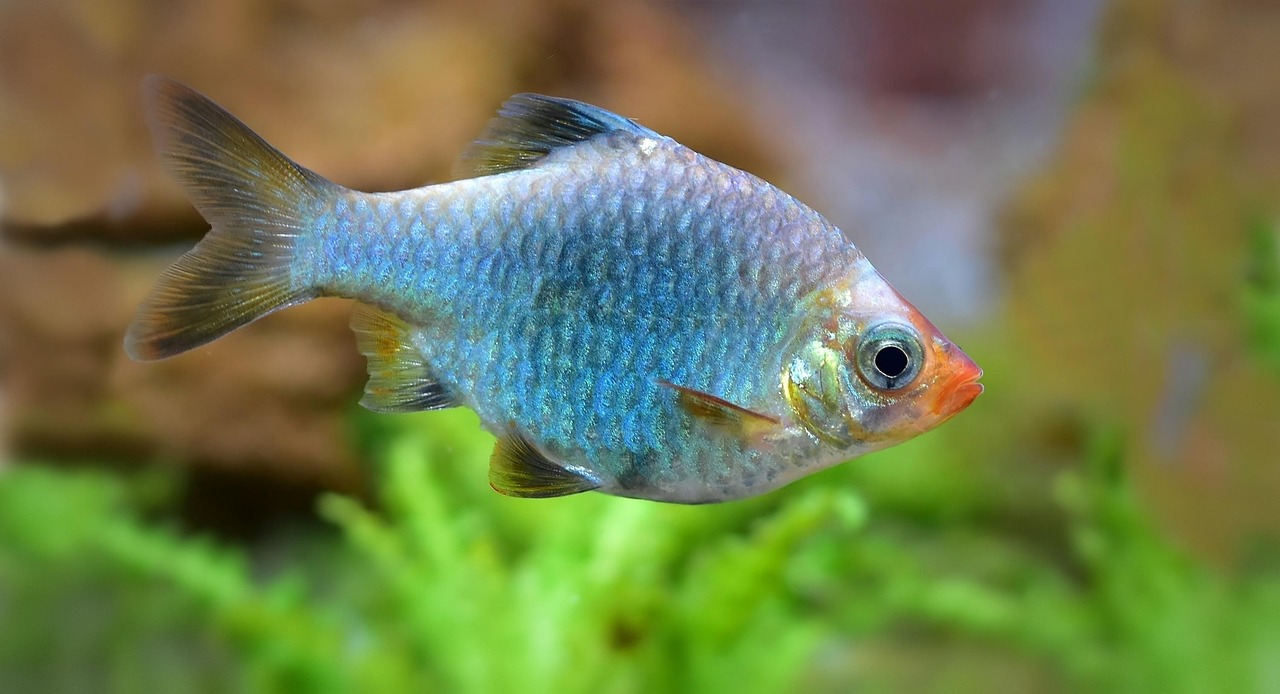
Few nano fish blaze brighter than a fully coloured male cherry barb in spawning condition — a deep crimson glow against green-leaved Cryptocoryne is the kind of image that sells beginners on aquariums for life. The cherry barb singapore native trade has run uninterrupted for over half a century, with Sri Lankan stock domesticated through countless generations into a genuinely hardy, peaceful schooler. This guide from Gensou Aquascaping at 5 Everton Park covers Puntius titteya husbandry with a focus on getting that signature red colour to its full potential.
Origin and Naming Confusion
Strictly speaking, Puntius titteya is endemic to Sri Lanka, not the Singapore region. However, the species has been bred in regional farms for so long that local hobbyists treat it as a naturalised native. Iwarna and other Singapore-based farms produce excellent stock, and the captive lines have diverged enough from wild Sri Lankan populations that some taxonomists discuss strain separation. Either way, all legal stock is captive-bred.
Identification and Sexual Dimorphism
Adult males reach 4-5cm with deep red flanks intensifying to crimson during spawning. A horizontal black line runs from snout to tail base. Females are larger, deeper-bodied, and washed in muted yellow-orange with the same dark line. Spotting sex is easy from juvenile stage — colour and body shape diverge by 2cm length.
Tank Size and Schooling
Cherry barbs are loose schoolers — they associate but do not tight-shoal. Keep at least six, ideally eight to ten, with a sex ratio favouring females (one male to two or three females) to spread male display energy. A 60-litre tank suits a school of ten; a 90-litre lets you push to fifteen and add a few corydoras or otocinclus catfish.
Water Parameters
Hardier than most wild rasboras, cherry barbs accept a wide pH range from 6.0-7.5 and GH from 2-15. Singapore PUB tap (GH 2-4, KH 1-2) is on the soft end but suits them well. Temperature 23-27°C — they appreciate the cooler side and may struggle above 29°C. Stable parameters trump perfect numbers; weekly 25 per cent water changes maintain the blackwater-leaning chemistry that intensifies male red.
Aquascape Choices
The red contrasts brilliantly against deep green plants and dark substrate. Use ADA Amazonia or similar dark aquasoil from the decoration and substrate range, plant heavily with Cryptocoryne wendtii, Java fern and Bucephalandra, and add dim overhead lighting. Floating cover with Salvinia or red root floaters dampens light and triggers male flaring behaviour.
Tank Mates
Cherry barbs are genuinely peaceful for a barb species — no fin-nipping reputation. They pair well with harlequin rasboras, dwarf gourami, otocinclus catfish, and corydoras in soft-water communities. Avoid combining with very small fry-stage fish or shrimplets, which adult barbs will hunt. Other schooling fish work beautifully alongside.
Feeding for Colour
Carotenoid-rich foods deepen the male red dramatically. Rotate quality micro pellets, frozen daphnia, brine shrimp, and a colour-enhancing flake from the foods range. Spirulina-enriched feeds add yellow-orange undertones. Live blackworm and mosquito larvae are weekly treats that trigger spawning condition. Feed twice daily, no more than fish clear in 90 seconds.
Breeding
Easy to breed in soft acidic water. Set up a separate 30-litre with java moss, drop pH to 6.5, raise temperature to 27°C, and condition pairs on live food for a week. Females scatter eggs across moss and pairs eat their own spawn — remove parents after spawning. Eggs hatch in 24-48 hours; fry need infusoria then microworm.
Singapore Sourcing
Cherry barbs are stocked at almost every aquarium shop in Singapore. C328 Clementi, Thomson shops and Serangoon North chains run them at SGD 1.50-3 per fish. Premium long-fin and albino variants reach SGD 4-6. For show-grade red males with full colour, ask Iwarna or Polyart staff for hand-picked stock at SGD 5-8 each. Buy in groups of at least eight, sexed for ratio.
Related Reading



