TCulture Cryptocoryne Parva (Pot/TC Cup)
You save
Out of stock
Ask on WhatsAppDescription
Common Name: Crypt Parva
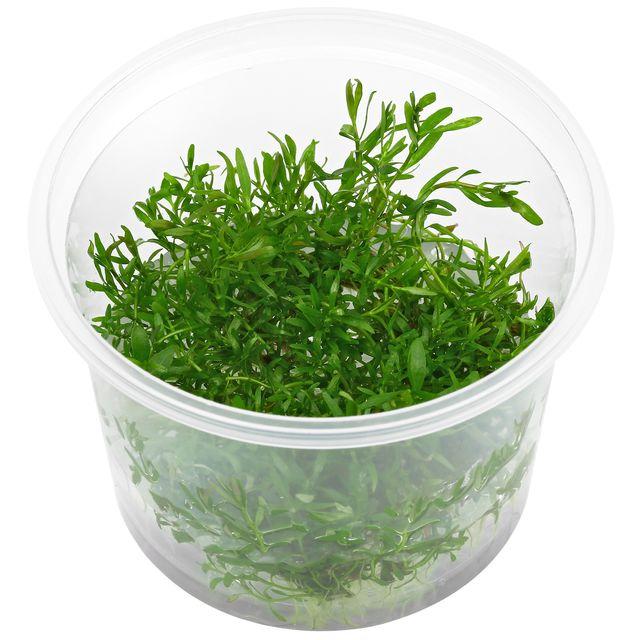
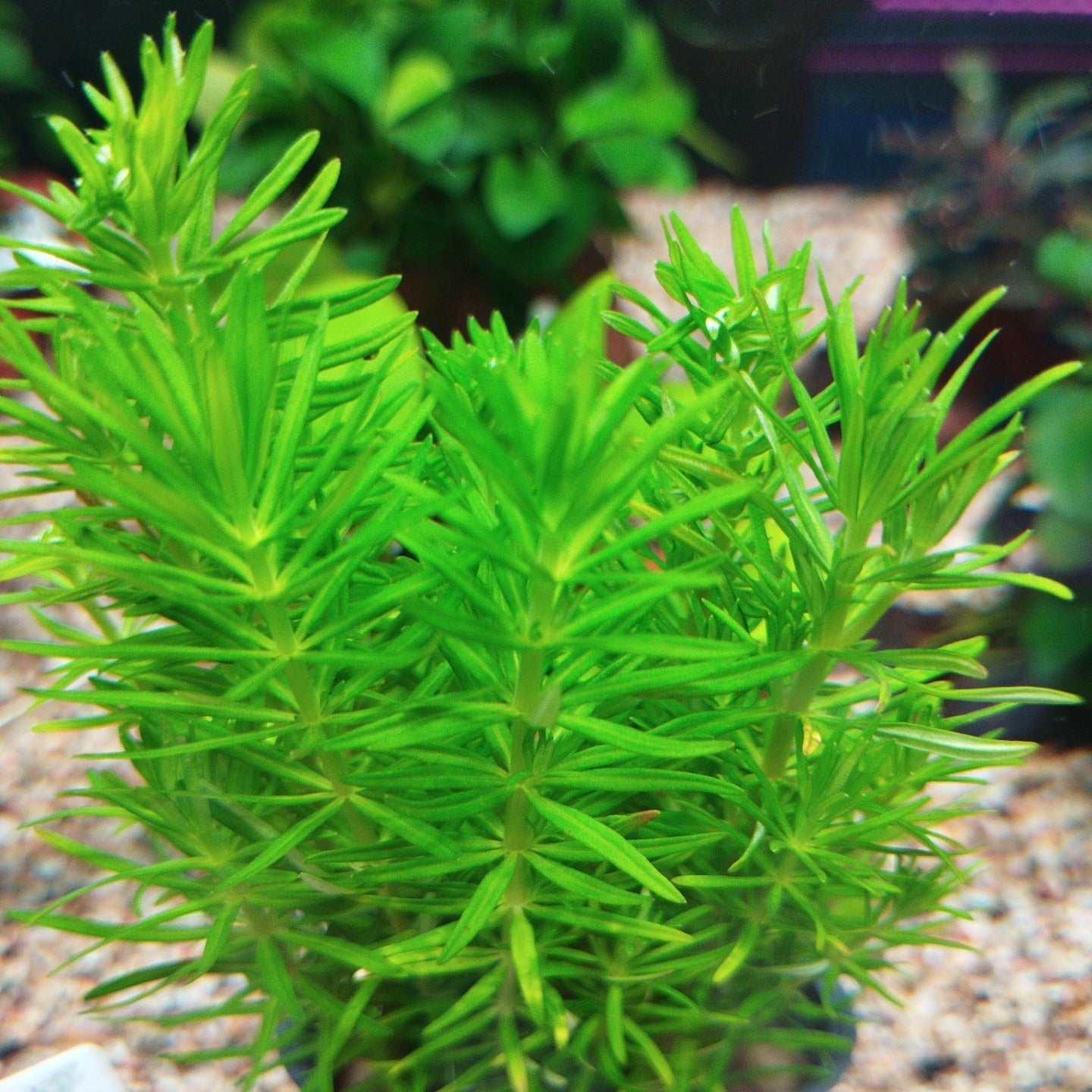
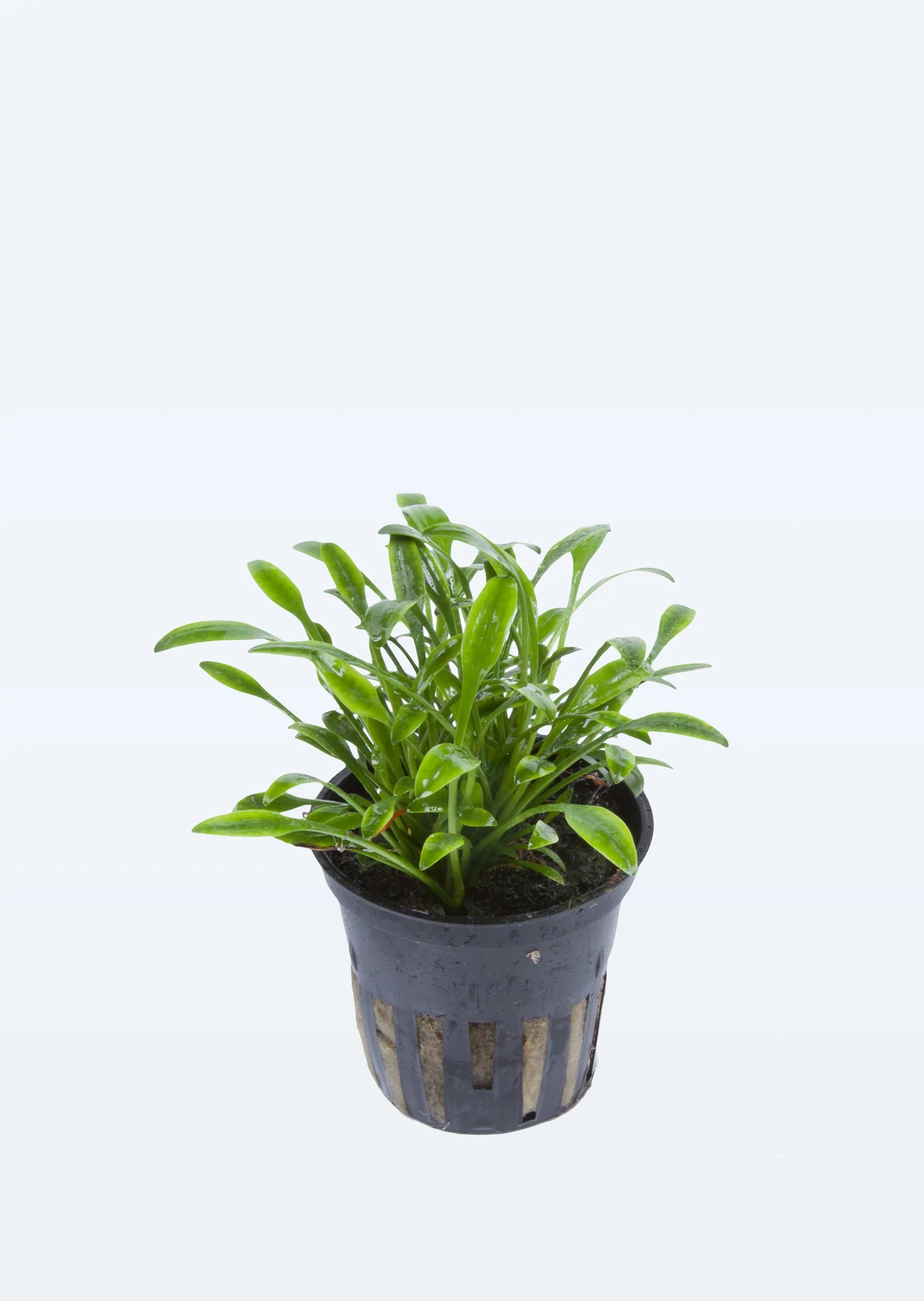
Crypt Parva is one of the smallest species of Crypts. It has green, grass-like leaves which can grow up to 4” tall, making it a suitable foreground and midground plant. Compared to other Crypts, it has a very slow rate of growth and can require more light. Cryptocoryne Parva is extremely slow growing and will require patience to achieve lush growth!
Notes:
Cryptocoryne prefer not to be moved once planted. If possible, do not move them!
Do not make drastic changes to the aquarium. Unstable parameters will result in melt and rotting of the aquarium plant.
Please be sure to remove this plant from its pot. Remove the cotton surrounding the roots and plant into a quality substrate.
CO2 injection and quality aquarium soil will yield better growth.
Please research appropriately to ensure your plant thrives.
Family Name: Araceae
Origin: Sri Lanka
Height: 2-4””
pH: 6-7.5
Care: Easy
Light: Low
Co2: Not Required
Propagation: Separate by Rhizome
Growth rate: Slow to Moderate
Cryptocoryne Parva: the smallest crypt for SG foregrounds
Crypt Parva is the tiniest of the Cryptocoryne family, with short grass-like green leaves that make it one of the few true crypts you can use as a foreground or low-midground plant. We supply it as a clean tissue-culture cup so you get many small plantlets to dot across the front of a scape, free of pest snails. It is famously the slowest-growing crypt, so it asks for patience, but the reward is a tidy, dense low lawn that needs almost no trimming once it knits together.
Unlike many carpets, Parva does better with more light than you might expect for a crypt, and it is a root-feeder that thrives in nutrient-rich substrate. The classic warning applies: crypts hate being disturbed, so plant it once and leave it. A move or a sudden parameter swing can trigger crypt melt, where leaves dissolve before regrowing from the rhizome, which is normal and not a death sentence.
Explore our wider Cryptocoryne live plants range, and pair this with our Cryptocoryne Parva care guide and propagation guide for the long game.