
Denison Barb Care Guide: The Torpedo of Planted Tanks
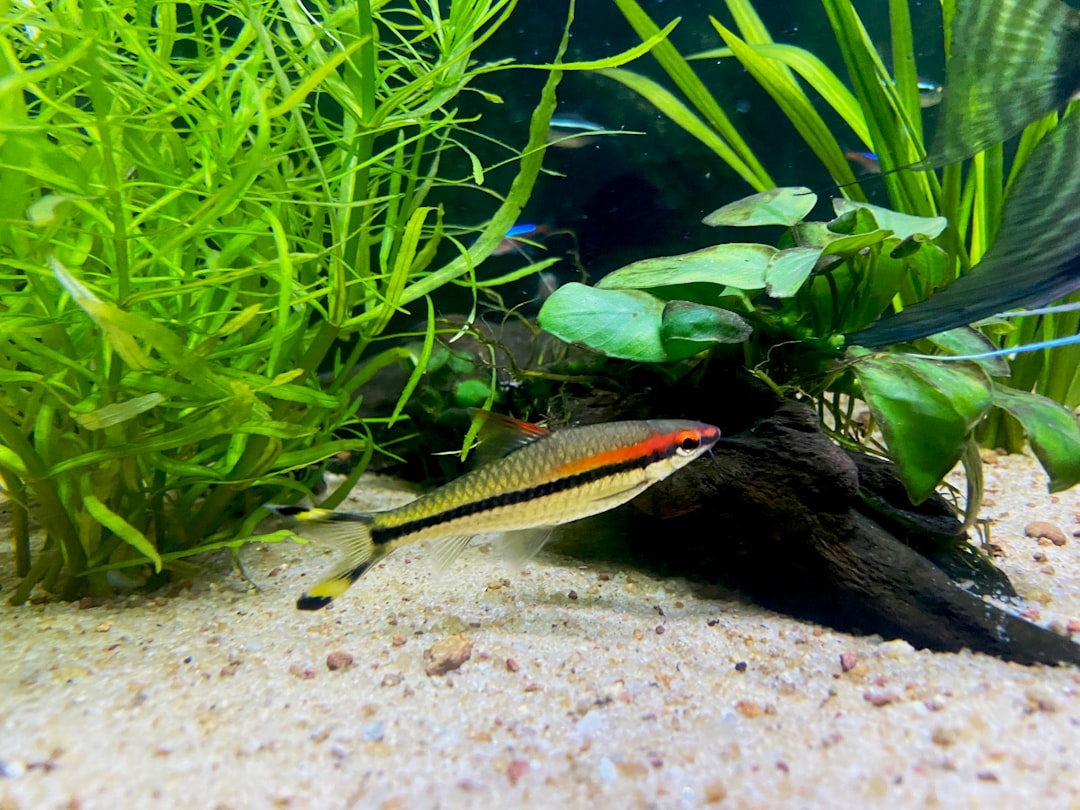
Table of Contents
- Introduction to the Denison Barb
- Appearance and Size
- Tank Requirements
- The Chiller Question for Singapore
- Water Parameters
- Feeding
- Tank Mates
- Breeding
- Cost and Availability
- Frequently Asked Questions
Introduction to the Denison Barb
The Denison barb (Sahyadria denisonii), also sold as the red-line torpedo barb or roseline shark, is one of the most visually arresting freshwater fish available. A bold red stripe running from the snout through the eye, underlaid by a jet-black lateral line, set against a silver-green body with a forked yellow-and-black tail — it is a fish that stops people in their tracks. This guide sits inside our broader Tropical Fish Species Master Index reference.
Originally from the fast-flowing hill streams of Kerala, India, this species has become a premium aquarium fish worldwide. In Singapore, keeping Denison barbs requires thoughtful planning, particularly around temperature management. At Gensou, with over 20 years of local aquascaping experience, we have maintained Denison barb tanks in both HDB and condo settings. Here is everything you need to know.
Appearance and Size
Denison barbs reach 10 to 13 centimetres in the aquarium, though wild specimens can exceed 15 centimetres. Their torpedo-shaped body is built for speed, and watching a school of six or more race across a long tank is genuinely thrilling.
Key visual features include:
- A vivid red stripe from the tip of the snout through the eye, fading towards the midpoint of the body
- A black horizontal line from the snout extending to the tail
- A greenish-gold sheen on the back
- Yellow and black markings on the forked caudal fin
- A subtle blue-green iridescence on the dorsal fin (more prominent in mature males)
Sexual dimorphism is minimal, though females tend to be slightly plumper when mature. Lifespan is five to eight years with proper care.
Tank Requirements
This is not a fish for small tanks. Denison barbs are fast, active swimmers that need room to move.
Minimum Tank Size
A school of six requires a minimum of 200 litres, and the tank must be long rather than tall. A standard 4-foot (120 cm) tank is the starting point. A 5-foot or 6-foot tank is significantly better. These fish use horizontal swimming space constantly, and cramped conditions lead to stress, faded colour and health problems.
Aquascaping
Despite their speed, Denison barbs work well in planted tanks if the layout provides open swimming lanes. Position hardscape and dense plantings along the sides and back, leaving the front and middle clear for swimming. River-style aquascapes with rounded stones and flowing layouts complement their natural habitat perfectly.
Hardy plants are recommended: Anubias, Java fern, Vallisneria, Cryptocoryne and sturdy stem plants. Delicate species may be damaged by the barbs’ vigorous swimming rather than deliberate plant eating.
Filtration and Flow
Strong filtration with moderate to high flow mimics their natural riverine habitat. A canister filter rated for 1.5 times your tank volume is ideal. Denison barbs appreciate a current to swim against. In Singapore, ensure the filter’s output creates a visible flow pattern across the length of the tank.
Schooling
Keep a minimum of six Denison barbs, though eight to ten is better. In small groups (fewer than six), they become stressed, shy and prone to aggression towards one another. A proper school displays the stunning synchronised swimming behaviour that makes this species so captivating.
The Chiller Question for Singapore
Here is the honest truth: Denison barbs prefer water temperatures of 18 to 25 degrees Celsius. Singapore’s ambient temperatures of 28 to 32 degrees sit above their comfort zone. This makes a chiller essential for long-term keeping.
Why You Cannot Skip the Chiller
At temperatures consistently above 26 degrees, Denison barbs experience:
- Reduced oxygen availability in the water
- Accelerated metabolism leading to shorter lifespan
- Increased susceptibility to disease
- Faded colouration
- Stress behaviours (glass surfing, loss of appetite)
Chiller Recommendations
For a 200 to 300-litre Denison barb tank in Singapore, budget for a chiller rated to at least 1/4 HP. Aim to maintain the tank at 22 to 24 degrees Celsius. The chiller represents a significant upfront and ongoing electricity cost, but it is non-negotiable for this species.
If the cost of running a chiller is a concern, consider alternative species that offer similar visual impact without the cooling requirement. Our team at Gensou can recommend alternatives during an aquascaping consultation.
Water Parameters
| Parameter | Ideal Range | Notes for Singapore |
|---|---|---|
| Temperature | 18 – 25 °C | Chiller required; target 22 – 24 °C |
| pH | 6.5 – 7.8 | SG tap water suitable after treatment |
| GH | 5 – 15 dGH | Moderate hardness acceptable |
| KH | 3 – 10 dKH | SG tap water generally suitable |
| Ammonia / Nitrite | 0 ppm | Sensitive to poor water quality |
| Nitrate | Below 20 ppm | Weekly 25 – 30% water changes |
PUB tap water, once treated to remove chloramine, provides a suitable base for Denison barbs. The pH and hardness are within range. The temperature, however, needs mechanical cooling — there is no way around this in Singapore.
Oxygenation
These fish come from well-oxygenated streams. Ensure good surface agitation through your filter outlet positioning, and consider adding an airstone. This is particularly important because the chiller keeps water cooler than ambient temperature, and condensation or poor circulation can create stagnant zones.
Feeding
Denison barbs are omnivorous and enthusiastic eaters. They accept a wide range of foods.
- Staple: High-quality barb or community pellets, tropical flakes
- Protein: Frozen bloodworms, brine shrimp, daphnia (2–3 times weekly)
- Vegetable: Blanched spinach, spirulina wafers, courgette slices
- Live foods: Blackworms, adult brine shrimp (occasional treats)
Feed twice daily in moderate amounts. These fast-swimming fish burn energy quickly, so slightly more generous portions than you might give sedentary species are appropriate. However, remove uneaten food promptly to maintain water quality.
Tank Mates
Denison barbs are generally peaceful but their size and speed can intimidate smaller, slower species. Good companions include:
- Other barbs: Cherry barbs, gold barbs, tiger barbs (in large groups)
- Rainbowfish: Boesemani, turquoise, threadfin
- Loaches: Clown loaches, yoyo loaches (also appreciate cooler water)
- Corydoras: Sterbai, bronze, pepper
- Plecos: Bristlenose, rubber lip
Avoid very small fish (neon tetras, micro rasboras) and slow-moving long-finned species (bettas, fancy guppies) that may be stressed by the barbs’ vigorous activity. Any tank mates must also tolerate the cooler temperatures maintained for the Denison barbs.
Breeding
Breeding Denison barbs in the home aquarium is exceptionally rare. This species has been commercially bred, primarily through hormonal induction in large-scale facilities. The rarity of captive breeding contributes to their relatively high price.
The few documented home breeding successes involved very large tanks (500 litres or more), a large school of mature adults, cooler water (around 20 degrees), and significant patience. Spawning reportedly occurs in dense vegetation, with eggs scattered among fine-leaved plants.
For most Singapore hobbyists, breeding Denison barbs is not a realistic goal. Focus instead on providing the best possible conditions for long-term health and colour development.
Cost and Availability
Denison barbs are premium fish. In Singapore, expect to pay $12 to $25 per fish depending on size and source. Since you need a minimum school of six, the fish alone represent a significant investment of $72 to $150, before considering the tank, chiller and equipment.
They are available at most well-stocked local fish shops and through online hobbyist groups. Wild-caught specimens tend to display slightly more vivid colouration than tank-bred fish, though the difference narrows with proper diet and conditions.
A golden morph (sometimes called the “gold Denison barb”) occasionally appears in the trade. These fish lack the red stripe and display a more subdued yellow-gold body. They are rarer and often command higher prices.
Frequently Asked Questions
Can I keep Denison barbs without a chiller in Singapore?
We do not recommend it. While they may survive short-term at 28 to 30 degrees, chronic heat stress shortens their lifespan, fades their colour and increases disease vulnerability. If you want torpedo-shaped barbs without a chiller, consider alternatives like the cherry barb or tinfoil barb, which tolerate tropical heat.
Are Denison barbs jumpers?
Yes. Denison barbs are strong swimmers and capable jumpers, particularly when startled. A secure lid with no gaps is essential. This is doubly important in Singapore where the chiller investment means losing a fish to jumping is an expensive mistake. Check that cable and tubing entry points are sealed with foam or mesh.
Why are my Denison barbs losing their red colour?
Colour loss typically indicates stress. Check temperature first — if the tank is running above 26 degrees, the fish are stressed. Other causes include poor diet (add more colour-enhancing foods with carotenoids), overcrowding, insufficient school size, and high nitrate levels. Improving conditions usually restores colour within two to four weeks.
How fast do Denison barbs grow?
From typical juvenile purchase size (4 to 5 cm), Denison barbs reach full adult size within 12 to 18 months under good conditions. This relatively rapid growth is another reason to start with an appropriately sized tank rather than planning to “upgrade later.” Our aquascaping services can help you plan the right setup from the start.
Plan Your Denison Barb Tank
The Denison barb rewards dedicated keepers with a spectacle unmatched in the freshwater hobby. A school of these torpedo-like fish racing through a planted aquascape is a living work of art. The investment in a proper chiller setup is substantial but worthwhile for those committed to the species.
Visit us at Gensou, 5 Everton Park, Singapore to discuss your Denison barb project. With over two decades of aquascaping experience in Singapore, we can help you design a chilled planted tank that keeps these stunning fish thriving. From chiller selection to aquascape layout, we have done it before and we will get it right for you.
Related Reading
- How to Breed Denison Barbs: Torpedo Barb Spawning in Captivity
- How to Breed Cherry Barbs: From Courtship to Free-Swimming Fry
- Cherry Barb vs Gold Barb: Colour, Size and Temperament Compared
- Odessa Barb Care Guide: The Underrated Red Gem
- How to Breed Red Cherry Barbs: Easy Egg Scatterers for Beginners



