
Odessa Barb Care Guide: The Underrated Red Gem
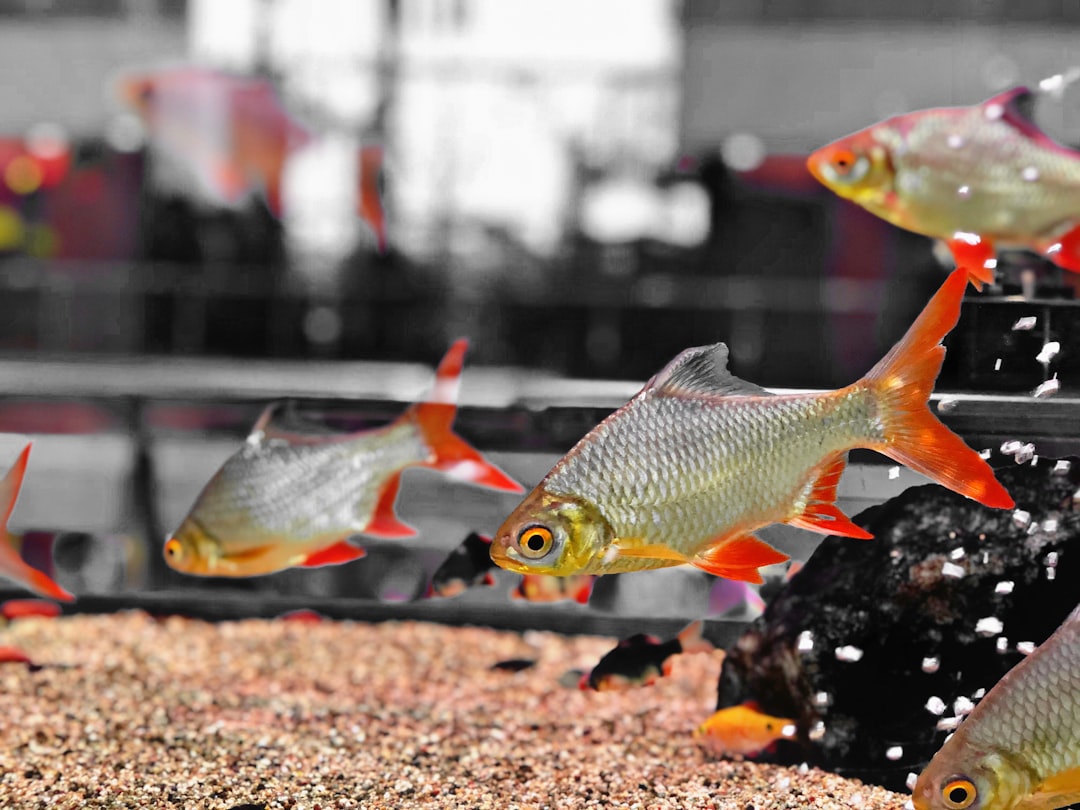
Table of Contents
- Introduction
- Species Overview and Origin
- Tank Setup and Water Parameters
- Feeding and Diet
- Behaviour and Temperament
- Compatible Tank Mates
- Breeding Odessa Barbs
- Frequently Asked Questions
- Conclusion
Introduction
Walk past a tank of Odessa barbs in peak condition and you will stop in your tracks. This Odessa barb care guide introduces one of the most visually striking yet criminally overlooked freshwater fish in the hobby. Males sport a bold crimson stripe running the full length of their body — rivalling many saltwater species for sheer colour intensity. For hobbyists in Singapore, the Odessa barb offers the rare combination of jaw-dropping looks, robust health and easy care. This guide sits inside our broader Tropical Fish Species Master Index reference.
At Gensou, our studio at 5 Everton Park, we have championed underappreciated species like the Odessa barb for more than 20 years. Let us walk you through everything you need to keep these gems thriving in a Singapore aquarium.
Species Overview and Origin
The Odessa barb (Pethia padamya) was formally described only in 2008, despite having been in the aquarium trade for decades. Its common name comes from the Ukrainian city of Odessa, where it first appeared in the ornamental fish market in the 1970s — but the species actually originates from the Chindwin River basin in central Myanmar.
For years it was thought to be a selectively bred variant of the ticto barb, but genetic analysis confirmed it as a distinct species. Males display an intense red-orange lateral band from gill to tail, overlaying a silvery body marked with two dark spots. Females are plainer, with a golden-silver body and faint barring.
Key Taxonomic Facts
- Scientific name: Pethia padamya Kullander & Britz, 2008
- Family: Cyprinidae
- Common names: Odessa barb, scarlet barb
- Maximum size: 5–6 cm
- Lifespan: 3–5 years
- Origin: Chindwin River basin, Myanmar
Tank Setup and Water Parameters
Odessa barbs are adaptable fish that tolerate a range of conditions, making them well suited to Singapore aquariums. They are comfortable in the warm temperatures typical of non-air-conditioned HDB flats and readily accept local tap water with minimal adjustment.
Recommended Water Parameters
| Parameter | Ideal Range | Notes |
|---|---|---|
| Temperature | 22–27 °C | Tolerates up to 28–29 °C; Singapore ambient is at the upper end |
| pH | 6.5–7.5 | PUB tap water generally sits within this range after dechlorination |
| GH | 5–15 dGH | Moderately soft to moderately hard |
| KH | 3–10 dKH | Stable KH prevents pH crashes |
| Ammonia / Nitrite | 0 ppm | Complete the nitrogen cycle before introducing fish |
| Nitrate | < 25 ppm | Weekly 25–30 % water changes keep this manageable |
Managing Temperature in Singapore
Like the rosy barb, the Odessa barb originates from subtropical waters and prefers slightly cooler temperatures than many tropical species. In practice, most Singapore hobbyists find they do well in air-conditioned rooms (24–26 °C). In warmer rooms, ensure strong surface agitation for good oxygenation and consider a clip-on aquarium fan during the hotter months.
Tank Size and Layout
A school of six Odessa barbs requires a minimum of 80 litres, but 120 litres or more is recommended for a comfortable setup with tank mates. They are active swimmers, so prioritise tank length over height — a 90 cm long tank is an excellent starting point.
- Substrate: Sand or fine gravel. A dark substrate brings out the red colouration dramatically.
- Plants: A mix of background stems (Rotala, Hygrophila), mid-ground plants (Cryptocoryne) and floating cover. Odessa barbs are not significant plant nibblers.
- Hardscape: Driftwood, river stones and smooth pebbles replicate their natural riverine habitat. Arrange hardscape to create open swimming lanes with planted borders.
- Filtration: A canister filter or hang-on-back filter providing moderate flow. These fish appreciate some current, reflecting their riverine origins.
- Lighting: Moderate. Under strong lighting with a dark background, the males’ red stripe practically glows.
Feeding and Diet
Odessa barbs are omnivorous and unfussy — a trait that makes daily feeding straightforward. A varied diet is the key to unlocking their full colouration potential.
Recommended Foods
- Staple: High-quality micro pellets or small granules formulated for barbs or community fish.
- Live foods: Daphnia, brine shrimp, bloodworms and grindal worms. Live foods are the single best way to intensify the red colouration in males.
- Frozen foods: Frozen bloodworms, brine shrimp, cyclops and daphnia — available at most aquarium shops across Singapore.
- Vegetable component: Spirulina flakes, blanched spinach or crushed peas once or twice a week to round out the diet.
Feed small portions twice daily. As with all fish in Singapore’s warm climate, leftover food breaks down quickly and can spike ammonia levels, so remove anything uneaten after two minutes.
Behaviour and Temperament
Odessa barbs are energetic, social and generally peaceful — but they have a playful streak that prospective keepers should be aware of.
What to Expect
- Schooling: They are happiest in groups of six or more. A larger school (8–12) creates a stunning visual effect as males compete to display the brightest colours.
- Male rivalry: Males regularly spar and display to one another. This is normal and rarely results in injury. In fact, the competition drives more intense colouration — a real benefit for the observer.
- Activity level: High. They occupy the mid to upper water column and zip around the tank with purpose, especially at feeding time.
- Fin nipping potential: Lower than tiger barbs but not zero. In small groups (fewer than six), stress may cause them to redirect their energy towards slower tank mates. A proper school size prevents this.
Sexual Dimorphism
| Trait | Male | Female |
|---|---|---|
| Body colour | Bright red-orange lateral band on silver | Golden-silver with faint markings |
| Fins | Speckled dorsal with black edging; reddish pelvic fins | Mostly transparent fins |
| Body shape | Slimmer | Rounder when gravid |
| Behaviour | Active displays and sparring | Calmer, less conspicuous |
Compatible Tank Mates
The Odessa barb’s moderate size and energetic temperament mean it pairs best with similarly active, robust species. Avoid pairing them with very small or slow-moving fish.
Good Tank Mates
- Other barbs (cherry barbs, rosy barbs, gold barbs)
- Medium tetras (black skirt tetras, Congo tetras, emperor tetras)
- Rainbowfish (Boesemani, praecox, turquoise)
- Corydoras catfish
- Bristlenose and rubber-lip plecos
- Kuhli loaches
- Pearl and moonlight gouramis
Tank Mates to Avoid
- Long-finned, slow-moving species (fancy guppies, long-finned bettas, angelfish)
- Very small species that may be intimidated (micro rasboras, celestial pearl danios)
- Large aggressive cichlids
- Dwarf shrimp colonies (adults may survive but breeding success will be low)
Breeding Odessa Barbs
Breeding Odessa barbs is straightforward and follows the standard egg-scattering pattern of most cyprinids. With a little preparation, even first-time breeders can achieve success.
Step-by-Step Breeding Process
- Conditioning: Separate males and females for 1–2 weeks and feed heavily with live and frozen foods. Females should become noticeably plump with eggs.
- Breeding tank: Set up a 40–60 litre tank with clean, slightly soft water (GH 5–8, pH 6.5–7.0) at 25–26 °C. Add spawning mops or dense clumps of Java moss to catch the eggs. A mesh grid on the bottom also works to protect fallen eggs from the parents.
- Introduction: Place 1–2 pairs in the breeding tank in the evening. Spawning typically occurs in the early morning hours.
- Spawning: Males chase females actively. Eggs are scattered among the plants or mops and settle on the substrate. A healthy female can produce 100–200 eggs.
- Post-spawning: Remove the adults immediately — they will consume every egg they can find.
- Hatching: Eggs hatch in 24–48 hours. Fry become free-swimming in another 2–3 days.
- Fry feeding: Infusoria or liquid fry food for the first few days, then baby brine shrimp and micro worms as they grow.
Raising Fry in Singapore’s Climate
The warm ambient temperature in Singapore (27–31 °C) slightly accelerates egg development and fry growth, which is generally a positive. Ensure the fry tank has a sponge filter to avoid sucking up tiny fry, and perform small, frequent water changes (10 % every other day) using dechlorinated water at the same temperature.
Frequently Asked Questions
Why are my Odessa barbs not showing bright red colour?
Several factors affect colouration. The most common reasons are a diet lacking live or frozen foods, stress from too small a group, poor water quality or very bright lighting with no background contrast. Feed a varied diet rich in carotenoids, keep a school of at least six and use a dark substrate or background to make their colours pop.
Can I keep Odessa barbs with shrimp?
Adult Amano shrimp are generally large enough to coexist. Smaller Neocaridina shrimp and especially shrimplets may be picked off. If you are serious about breeding shrimp, keep them in a separate tank.
Are Odessa barbs suitable for planted tanks?
Yes, they are much better behaved around plants than rosy barbs. They rarely nibble on foliage, making them a good choice for aquascaped tanks. Pair them with robust species like Cryptocoryne, Anubias and Java fern for the best results.
How many Odessa barbs should I keep together?
At least six, ideally eight or more. A larger group allows males to display and spar naturally, which intensifies their colouration and produces more engaging behaviour. In groups of fewer than six, they may become shy or redirect energy towards other species.
Related Reading
- How to Breed Cherry Barbs: From Courtship to Free-Swimming Fry
- Cherry Barb vs Gold Barb: Colour, Size and Temperament Compared
- How to Breed Denison Barbs: Torpedo Barb Spawning in Captivity
- Denison Barb Care Guide: The Torpedo of Planted Tanks
- How to Breed Red Cherry Barbs: Easy Egg Scatterers for Beginners
Conclusion
The Odessa barb is one of the best-kept secrets in the freshwater hobby. Its vivid red colouration rivals fish costing five times the price, yet it is hardy, easy to feed and simple to breed. For Singapore aquarists looking to add a flash of colour to a medium community tank, this species deserves a place at the top of your shortlist.
Want to see Odessa barbs in person? Visit Gensou at 5 Everton Park — we have been Singapore’s aquascaping specialists for over two decades. Browse our online shop for fish, plants and supplies, contact us for personalised stocking advice, or explore our custom aquarium service to build a tank that showcases this underrated red gem at its absolute best.



