
DIY Brine Shrimp Hatchery Budget Build Guide: 2L Bottle and Air Stone
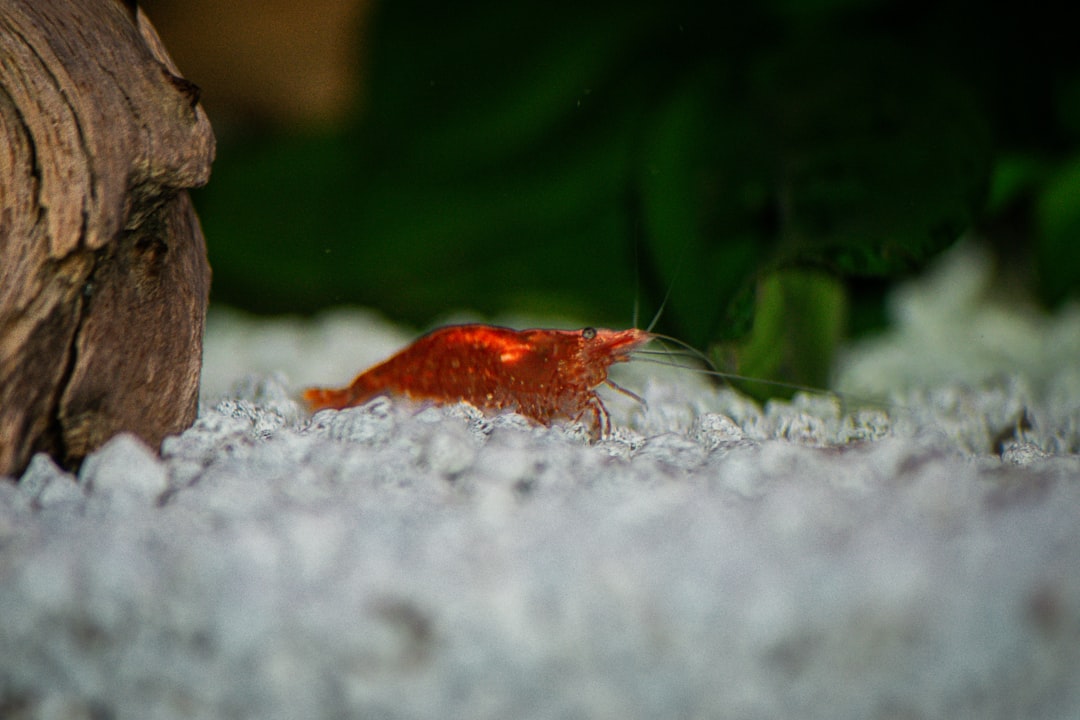
Live newly-hatched brine shrimp (Artemia nauplii) are the gold-standard live food for fry from day three onwards — high-protein, naturally swimming, and small enough at 400 microns to fit growing mouths. Commercial hatcheries cost SGD 30-80 and add little over a recycled 2-litre soft-drink bottle, an airline, and a single air stone. This diy brine shrimp hatchery budget build from Gensou Aquascaping at 5 Everton Park outlines the inverted-bottle method that hatches eggs in 24-36 hours under Singapore ambient temperatures. Run two bottles staggered, and the diy brine shrimp hatchery budget delivers continuous daily harvests for as long as your fry need them.
Materials and Tools
You need an empty 2-litre PET soft-drink bottle (free), a 5g pack of brine shrimp eggs at SGD 8-15 from any local fish shop or Carousell breeder, two tablespoons of non-iodised salt at SGD 0.50, one teaspoon of baking soda at SGD 0.20, a length of rigid airline tubing at SGD 2, a fine air stone at SGD 2, an air pump (any small pump works) at SGD 12, and a bottle stand made from another bottle’s bottom or a wooden block. Total under SGD 30.
Why Brine Shrimp Beat Other Live Foods
Brine shrimp nauplii pack high protein, contain natural pigments that boost fry colour, and are large enough at 400 microns to give visible feeding response in fry from week one. They survive in fresh water for 30-60 minutes — long enough for fry to find and eat. Newly-hatched nauplii also carry their own yolk sac, so the first 24 hours of nutrition is built in. They outclass dry foods completely for fry below 2cm.
Step One: Prepare the Bottle
Cut the bottom off a 2L bottle, leaving a clean rim. Invert the bottle — neck pointing down. The original bottle cap now sits at the bottom, the cut opening at the top. Mount the inverted bottle in a stand made from another bottle’s bottom or a wooden cradle. Drill a small hole in the cap (or remove cap entirely and replace with a stopper) for harvest valve later.
Step Two: Mix the Hatching Solution
Fill the inverted bottle with 1.5L of dechlorinated tap water. Add two tablespoons of non-iodised salt (Pacific Sea Salt or pickling salt — never table salt with iodine, which kills nauplii) and one teaspoon of baking soda to raise pH to 8.0-8.5. Stir until dissolved. Brine shrimp need salinity around 25 parts per thousand — roughly two tablespoons per 1.5L.
Step Three: Add Air Stone and Eggs
Push rigid airline tubing through the cut opening at the top so the stone sits near the now-bottom (which was the bottle’s cap end). Connect to air pump and turn on — water should swirl vigorously, keeping eggs suspended. Sprinkle a quarter teaspoon of brine shrimp eggs onto the water surface. The vigorous bubbling pulls them under and keeps them moving — settled eggs do not hatch.
Step Four: Hatch in 24-36 Hours
Singapore ambient temperatures of 28-30°C give a 24-hour hatch. Cooler aircon rooms below 24°C extend to 36-48 hours. Optimum is 26-28°C. Cover the bottle loosely with cling film if dust is a concern, but ensure air can exchange. Do not heat with an immersion heater — overheating kills eggs faster than cool slows them.
Step Five: Harvest by Light Attraction
Switch off the air pump after 24 hours. Within 5-10 minutes, brine shrimp nauplii (orange-pink swimming dots) settle to the cap end at the bottom. Empty egg shells float to the top. Shine a torch at the bottom for one minute — nauplii cluster toward the light. Open the cap or harvest valve and drain the bottom 200ml into a fine net or coffee filter to capture nauplii.
Step Six: Rinse Before Feeding
Brine shrimp nauplii hatched in salt water cannot be added directly to fresh fry tanks in concentrated brine — the salt shock harms small fry. Rinse the harvested nauplii under fresh dechlorinated tap water through the net for 30 seconds. Then add to fry tank. Pair feeding with quality aquarium fish food dry options for older fry transitioning.
Step Seven: Run Two Bottles for Continuous Supply
Fry need fresh nauplii daily — older nauplii past 24 hours lose nutritional value as they consume their yolk sac. Set up two bottles staggered by 12 hours so one always has freshly hatched shrimp ready. Mark each bottle with start date and discard the spent water/empty shells once harvested.
Egg Storage and Quality
Brine shrimp eggs lose viability after 18-24 months at room temperature. Store unused eggs in the fridge at 4-8°C in an airtight container with silica gel. Hatch rates above 80 per cent indicate fresh eggs; rates below 50 per cent suggest old or improperly stored stock. Carousell breeders sometimes split larger 100g packs at lower per-gram cost.
Common Failure Modes
No hatching after 36 hours: usually iodised salt, old eggs, or temperature below 22°C. Foul smell after harvest: bacterial bloom from too many eggs at once — use less per cycle. Eggs all sink and refuse to suspend: weak air pump, swap for a stronger one. Pair with Seachem Prime for buffering fry tanks during intensive feeding.
Related Reading



