
Dumbo Ear Betta Care Guide: Elephant Ear Fins and Flow Needs
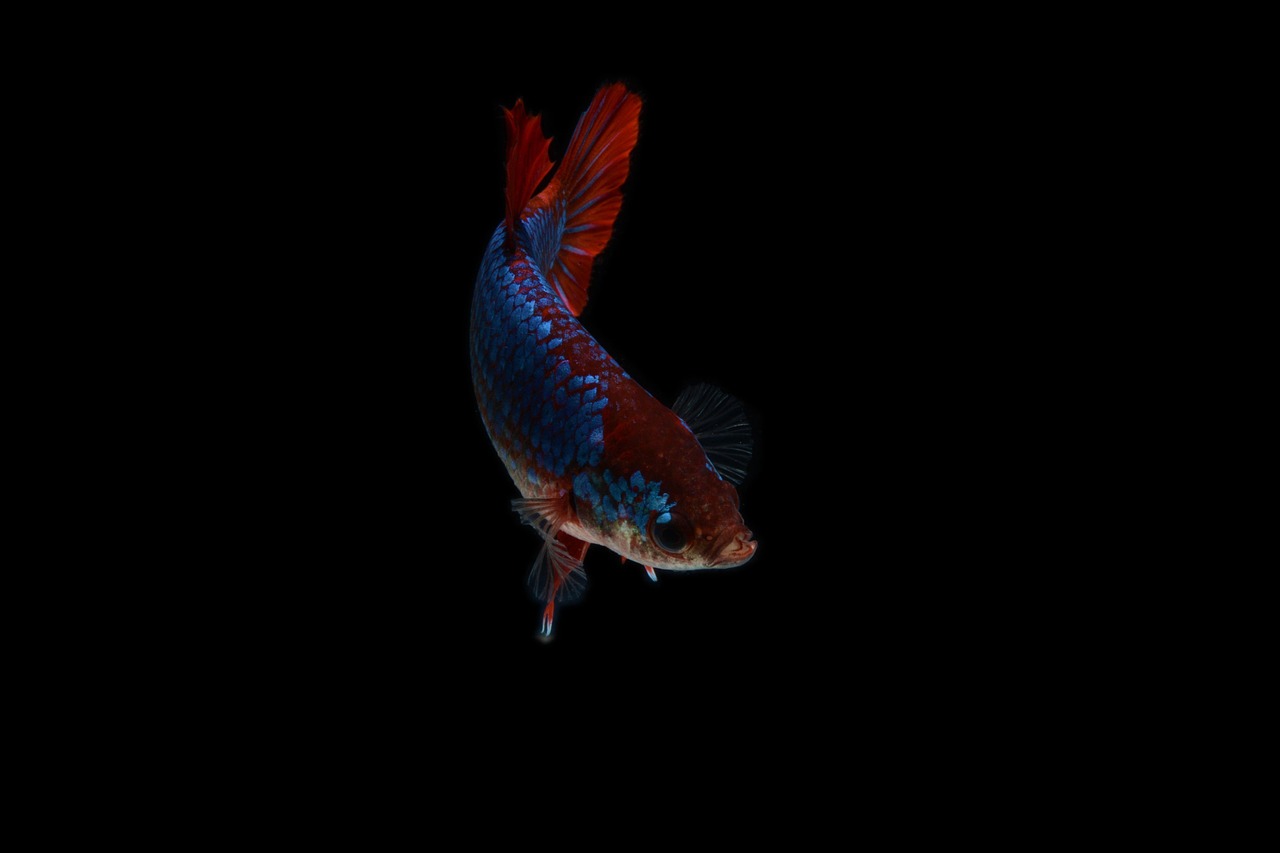
With their dramatically oversized pectoral fins flapping like tiny wings, dumbo ear bettas are among the most visually distinctive varieties in the hobby. This dumbo ear betta care guide from Gensou Aquascaping at 5 Everton Park, Singapore, explains what makes these fish different from standard bettas and how to adjust your care routine accordingly. Drawing on over 20 years of hands-on experience, we cover the practical details that keep those signature fins healthy and flowing.
What Defines a Dumbo Ear Betta
Dumbo ear bettas — also called elephant ear bettas — carry a genetic trait that enlarges the pectoral fins to two or three times their normal size. In standard bettas, pectoral fins are small and transparent, barely noticed. In dumbos, they become prominent, often colourful appendages that the fish uses with a distinctive rowing motion during slow cruising.
The trait appears across all tail types: dumbo halfmoon, dumbo crowntail, dumbo plakat, and others. Colour is independent of the ear gene, so dumbos come in every pattern from solid red to galaxy and koi. Prices in Singapore range from $10 for basic forms to $40–$60 for show-quality specimens.
Tank Setup and Flow Considerations
Enlarged pectoral fins catch current like sails. Strong flow exhausts dumbo bettas quickly, forcing them to fight against water movement that standard bettas handle with ease. A sponge filter is the safest choice, providing gentle biological filtration without directional current. If you prefer a hang-on-back filter, baffle the outflow with a pre-filter sponge or redirect it against the tank wall.
Tank size follows standard betta guidelines — 15 litres minimum, 20–30 litres preferred. A well-planted layout with floating plants like Salvinia or Ceratopteris provides resting spots near the surface where dumbos can catch their breath. In Singapore’s typical nano setups, a 25-litre rimless cube aquascaped with low-demanding plants suits these fish perfectly.
Water Parameters
Dumbo ears share the same parameter requirements as all Betta splendens: pH 6.5–7.5, temperature 26–28 °C, GH 4–12 dGH. Singapore’s PUB tap water is naturally soft and slightly acidic — well within range after treating with a dechloraminator that handles chloramine.
Pristine water quality is especially important because the enlarged pectoral surface area is prone to bacterial and fungal infection if conditions deteriorate. Keep ammonia and nitrite at zero, nitrates below 20 ppm, and perform 25–30 % water changes weekly without exception.
Feeding and Nutrition
Diet is identical to other bettas: two to three high-quality pellets twice daily, supplemented with frozen or live foods. Dumbo ears do not require special nutrition for fin growth — the enlarged pectorals are genetically determined, not diet-dependent. However, a varied diet rich in protein supports overall fin health and vibrant colouration.
Watch feeding behaviour carefully. Because dumbos swim slower than streamlined plakats, they may struggle to compete for food in a community tank. Ensure food lands where your dumbo can reach it without racing against quicker tank mates.
Common Health Issues
The primary dumbo-specific concern is pectoral fin damage. Those large fins can tear on sharp hardscape edges, rough filter intakes, or aggressive decor. Use smooth stones, rounded driftwood, and intake sponge covers to eliminate hazards. Torn pectoral fins regrow, but slowly — full regeneration can take 4–8 weeks in warm, clean water.
Fin rot affects pectorals just as it affects caudal and dorsal fins. Early signs include ragged edges with white or red margins. Improving water quality and raising temperature to 28 °C is the first response. Only escalate to medication if deterioration continues after three to four days of optimised conditions.
Breeding Dumbo Ear Bettas
The dumbo trait is genetically recessive in some lines and variable in expression. Crossing two dumbo parents produces the highest percentage of dumbo offspring, but even then, pectoral size varies across the spawn. Breeders select the most pronounced individuals for future pairings.
Spawning follows standard Betta splendens protocol: bubblenest construction, embrace, egg collection by the male. Fry develop enlarged pectorals gradually — the trait may not become obvious until 6–8 weeks of age, making early selection challenging.
Is a Dumbo Ear Right for Your Setup
If you keep a calm, planted tank with gentle filtration, a dumbo ear betta fits seamlessly. The distinctive swimming style and eye-catching pectorals add visual interest that standard bettas cannot replicate. Avoid strong flow, sharp decor, and competitive feeders, and you will find that this dumbo ear betta care guide covers the only real differences from standard betta keeping. Everything else — water changes, diet, temperature — remains the same reliable routine.
Related Reading
- Fancy Betta Varieties Guide: Crowntail, Halfmoon and More
- Types of Betta Fish With Pictures: Every Tail and Colour Type
- Betta Fish Water Temperature Guide: Ideal Range and Heater Tips
- Betta Fish Diseases and Symptoms: Complete Identification Guide
- Best Betta Fish Tank Kits: Heated, Filtered and Ready to Go



