
Dwarf Pea Puffer Tank Mates: Who Can Survive With a Micro Predator?
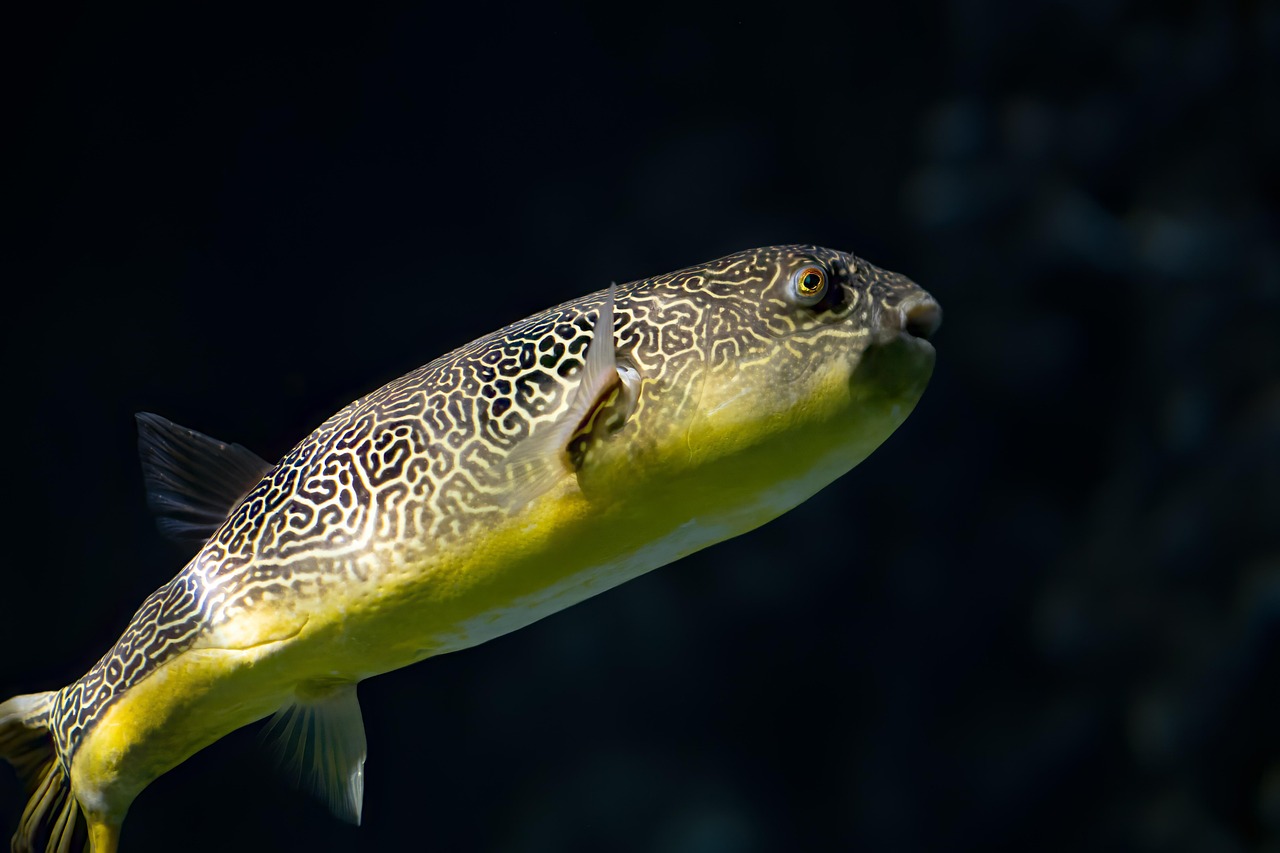
The dwarf pea puffer may only reach 3.5 cm, but it carries the temperament of a fish ten times its size. Dwarf pea puffer tank mates selection is genuinely challenging because these fish are highly intelligent, territorial, and capable of inflicting serious fin damage on fish far larger than themselves. This guide from Gensou Aquascaping at 5 Everton Park, Singapore cuts through the conflicting advice online and gives you a realistic picture of what works — and why so many suggested companions end up as casualties.
Understanding the Pea Puffer’s Predatory Nature
Carinotetraodon travancoricus is endemic to the Western Ghats river systems of Kerala, India. In the wild, it hunts small invertebrates, snails, and worms. In a tank, this hunting instinct doesn’t switch off. Pea puffers investigate every tank mate as a potential meal or threat, and their beak-like teeth can nip through the fins of considerably larger fish in seconds. A puffer that has decided to target a particular fish will do so relentlessly, even at risk to itself.
The honest approach: most hobbyists do best keeping pea puffers as a species-only group. But there are tank mate options that work — they just require the right setup and realistic expectations.
Fast, Nimble Fish That Can Outrun Trouble
Otocinclus catfish are perhaps the most consistently successful pea puffer companions. Their armoured bodies give them physical protection, and they spend most of their time adhered to glass or leaves rather than out in open water where puffers tend to patrol. Short-finned, fast-moving fish are another viable option. Danios — particularly leopard danios (Danio rerio frankei) or celestial pearl danios — move quickly enough to avoid sustained harassment in a sufficiently large tank.
The key word is sufficiently large. A 40-litre tank crammed with puffers and danios will see casualties. A 80-litre heavily planted tank with visual breaks gives everyone enough space to establish territory.
Snails as Purposeful Tank Mates
Snails are not tank mates in the traditional sense — they’re a live food source. Bladder snails and pond snails (Physa spp.) introduced to the tank serve as enrichment and dental maintenance; puffers’ teeth grow continuously and snail shells help wear them down. Ramshorn snails work similarly. This is beneficial rather than a compatibility issue. If you want snails to persist in the tank, overload the snail population so the puffers cannot keep up with breeding rates.
Caridina Shrimp: High Risk, Rare Exceptions
Neocaridina shrimp — cherry shrimp, chocolate shrimp, and their relatives — are reliably picked off by pea puffers. Caridina species like crystal reds and Taiwan bees fare no better. Shrimp and pea puffers are simply not a workable community in most setups. There are anecdotal exceptions in very large, heavily planted tanks, but these are outliers. Don’t stock expensive shrimp in a pea puffer tank expecting them to survive long-term.
Males Together: Managing Aggression Within the Species
Intraspecific aggression matters as much as tank mate selection. Male pea puffers establish territories of roughly 30–45 cm diameter. Keep one male per 30 litres minimum. Females are far less aggressive and can be kept in higher densities. A harem setup — one male, two or three females — in a 40-litre heavily planted tank works well and is often more stable than an all-male group.
Clear visual breaks using large-leaved plants (Anubias barteri, Echinodorus), driftwood, and stone work are essential. If a male cannot see rival males constantly, territorial stress drops considerably.
Realistic Expectations for Community Setups
Rather than chasing the “perfect community,” consider a pea puffer biotope tank — a heavily planted aquarium styled after Kerala blackwater streams, with Indian almond leaves on the substrate, Java fern attached to driftwood, and a small group of three to five puffers as the sole inhabitants. The visual result is far more coherent and the fish are far less stressed than in a forced community.
If you’re set on a community, add pea puffers last, after all other fish are established. In a 60-litre or larger tank with dense planting, otocinclus and a small, fast-moving schooling fish like chili rasboras can sometimes work. Monitor closely in the first two weeks — if fin damage appears, separate immediately. Gensou Aquascaping can help you design a biotope layout that gives pea puffers the territory structure they need to stay manageable.
Related Reading
- Dwarf Puffer vs Pea Puffer: Are They the Same Fish?
- Best Tank Mates for African Dwarf Frogs
- How to Breed Indian Dwarf Puffers: Conditioning and Fry Care
- Indian Dwarf Puffer Care Guide: Tiny Predator With Huge Character
- How to Breed Pea Puffers: Micro Predator Courtship in Planted Tanks
Before settling on tank mates, it helps to know exactly what you are keeping, so have a look at our pea puffer versus dwarf puffer comparison to clear up the naming confusion.
Once you have chosen suitable tank mates for your dwarf pea puffer, plan the layout with the planting and sightline tips in our aquascape for a puffer fish tank.



