
Endler Wild Type Breeding Guide: Preserving N-Class Line Integrity
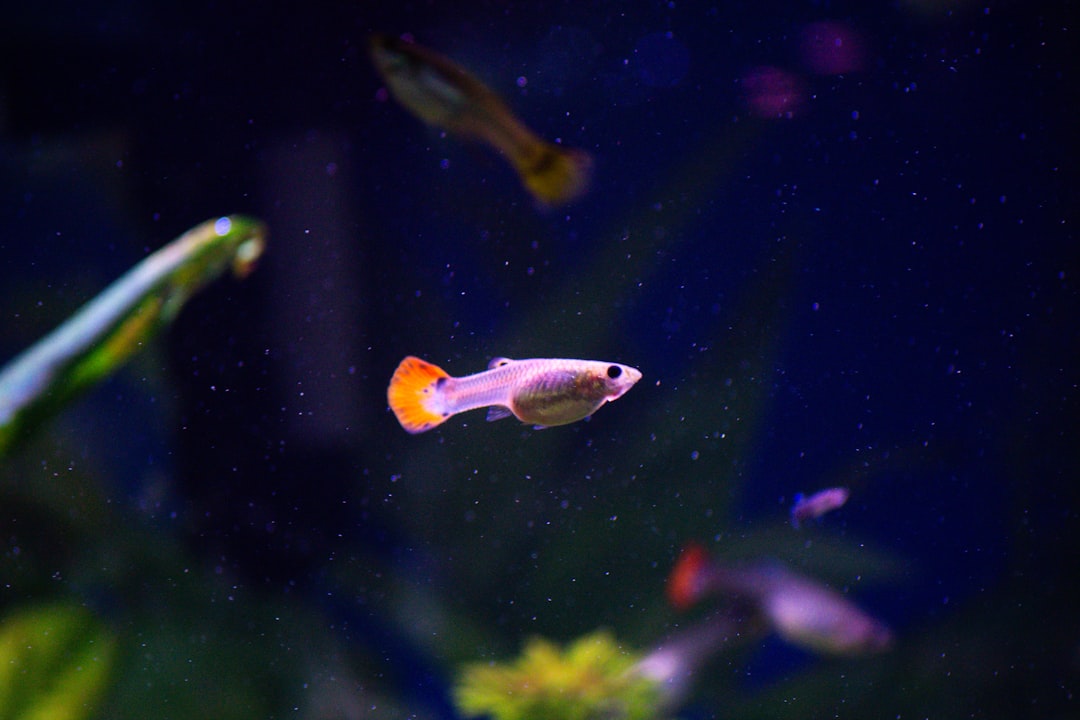
True Poecilia wingei is not a guppy, and keeping endler wild type breeding projects clean means treating the species like a tiny heirloom rather than a novelty livebearer. This guide from Gensou Aquascaping in Singapore explains how the N-class, P-class, and K-class classification protects genetic purity, how to run small colony tanks that prevent guppy contamination, and how Punnett predictions work on the handful of known endler colour loci. The Singapore endler scene is small but passionate — roughly a dozen serious keepers — and bloodline integrity is currency. This guide sits inside our broader Tropical Fish Species Master Index reference.
N-Class, P-Class, and K-Class Explained
Adrian Hernandez-Chavez’s informal but widely respected classification system breaks endlers into three tiers. N-class (N for natural) are fish with documented lineage back to wild-caught stock from Laguna de Patos or Campoma, Venezuela, with zero known guppy outcrossing. P-class (P for passes) look like endlers and test-cross true, but lack documented lineage. K-class (K for known hybrids) are deliberate endler x guppy crosses sold as fancy hybrids.
Only N-class fish count as genuine Poecilia wingei for conservation purposes. P-class may be entirely pure and phenotypically indistinguishable but cannot prove it. K-class should never enter an N-class tank under any circumstance.
Why Hybridisation Matters
Endlers and guppies readily interbreed and produce fertile hybrids, which means a single accidental cross pollutes a line permanently. Hybrid females store viable sperm for months and their daughters may look entirely endler-like while carrying guppy alleles. Responsible N-class breeders run a strict one-species-one-tank policy with no exceptions.
Singapore tap water at pH 7.2-7.8 and 28-30 °C suits endlers perfectly, and maturity comes at just 8-10 weeks. This speed is a double-edged sword — a missed separation means a fry batch from an unknown male can wreck a three-year project.
Core Colour Loci in Wild Endlers
Unlike fancy guppies where dozens of loci are recognised, endlers carry a handful of Y-linked pigment patterns that vary by locality. Snake Chest, Peacock, Black Bar, Red Flame, and Green Belly are common patterns within N-class Campoma stock. Because these are Y-linked, they pass father to son without recombination — sisters from the same brood can look identical while carrying different-patterned males in their genetic background.
Females are deliberately plain silver-grey. Selecting for showy females is a sign of guppy introgression and disqualifies a line from N-class classification. Keep this in mind when evaluating stock.
Punnett Prediction for Y-Linked Patterns
Since pattern genes sit on the Y, all sons of a given male carry his exact pattern barring mutation. There is no 3:1 ratio, no hiding recessives across generations. Cross a Red Flame male with five females and every male fry is a Red Flame; every female fry is plain silver-grey. This simplicity is part of why endlers are such a satisfying breeding project — what you see is what you pass on.
Autosomal modifier genes do exist, mainly controlling the intensity of body iridescence and the depth of black bars. Selecting for stronger expression over ten generations noticeably sharpens a line without crossing outside the stock.
Colony Tank Setup
Run N-class endlers in a 40-60 litre planted species-only tank with dense Java moss and floating plants. pH 7.4, GH 10-12 (add crushed coral), temperature 26-28 °C, and a sponge filter running gently. Stock 1 male to 3 females to minimise female harassment. Fry hide in the moss and roughly 20-40 per cent reach adulthood without intervention.
For serious projects, run pedigree pairs in 10 L breeding tanks with virgin females. Separate fry by sex at 6 weeks — males show colour very early — and raise in single-sex tanks until pairing.
Line Breeding Without Collapse
Endlers tolerate inbreeding surprisingly well, partly because wild populations are themselves small and somewhat inbred. Father-daughter and sibling-sibling crosses work fine for 5-6 generations before fertility drops. Run two parallel lines from the same starting stock and cross them every fourth generation to refresh without introducing outside genes.
Singapore N-class stock circulates through about eight serious keepers. Swap fish every 12-18 months to keep lines healthy, and always provide a written pedigree note — “Campoma F7, dam-father cross March 2025” — so the receiver can continue records.
Sourcing and Community in Singapore
No commercial Singapore shop stocks true N-class endlers reliably. Serious stock moves through Carousell adverts from named keepers, occasional listings on the Singapore Guppy and Endler Facebook group, and direct swaps at hobbyist meetups. Expect $8-20 SGD per pair for named N-class stock. Anyone selling “endlers” at a general fish shop for $2 each is selling hybrids — buy them for a community tank, not a breeding project.
Related Reading
- Guppy Breeding Guide for Singapore Hobbyists
- Livebearer Breeding Setup Guide
- Platy Colour Genetics Breeding Guide
- Nano Tank Setup Guide for Small Livebearers
- Quarantine Tank Setup Singapore
Conclusion
Responsible endler wild type breeding is equal parts genetics, record-keeping, and community trust. Protect N-class lines from guppy contamination, run pedigree tanks, trade within a small network of serious keepers, and Singapore can continue contributing to global endler conservation from a handful of HDB tanks. Stop by Gensou Aquascaping if you want advice on starting an N-class colony or verifying suspect stock.



