
European River Biotope Aquascape: Temperate Freshwater Realism
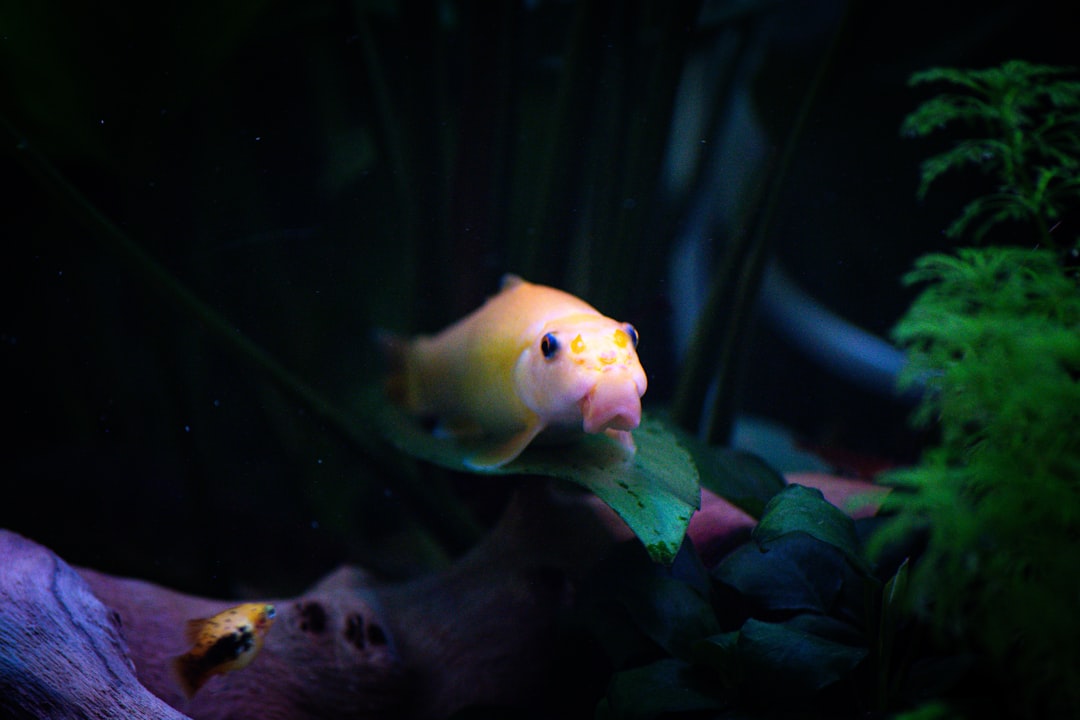
European river biotopes present a genuine challenge for Singapore aquarists: the fish and plants from temperate rivers — Rhine, Danube, Thames, Loire — typically prefer water at 15–22°C, a range that Singapore’s ambient indoor temperatures never reach without active chilling. Yet the visual result is stunning in its austerity — clear, cool-looking water, muted green plants, sleek cyprinids, and smooth river pebbles. This guide from Gensou Aquascaping at 5 Everton Park, Singapore covers how to build an authentic European river biotope aquascape and manage the temperature requirement honestly.
What Defines European River Biotopes
European freshwater rivers range from fast-flowing highland chalk streams to broad lowland rivers with slow current and moderate turbidity. The water is typically hard to very hard (GH 10–20), alkaline (pH 7.2–8.2), cool (12–20°C seasonally), and clear. Hardscape is characterised by smooth, rounded river pebbles — quartzite, granite, limestone — worn by centuries of water movement. Gravel substrates rather than fine sand are common in faster sections. Plants are sparse and low-growing in high-flow zones; emergent and floating species appear in slower marginal areas.
Temperature: The Primary Challenge
This is the honest constraint. Running a European biotope in Singapore without an aquarium chiller is not viable for cold-water species. A chiller rated for your tank volume is not optional — it is the most expensive piece of equipment in this build. Expect to invest $350–$800 for a reliable chiller (Teco, Hailea, or JBJ brands are commonly available in Singapore) depending on tank size. Running costs are significant in our climate: a chiller maintaining a 90-litre tank at 18°C in a Singapore room will add roughly $30–$60 per month to your electricity bill.
Factor this honestly before starting the build. The chiller should be sized to maintain your target temperature even on the hottest Singapore afternoons (ambient room temperature 28–30°C in non-air-conditioned spaces). A marginally sized chiller will run continuously and fail early.
Appropriate Species: Fish
Common European cyprinids make excellent biotope fish. Leuciscus leuciscus (common dace) and Rutilus rutilus (roach) are the classic mid-water schoolers, though they are rarely available in Singapore and may need to be sourced through specialist importers. Phoxinus phoxinus (minnow) is smaller and better suited to tanks under 120 cm. Gobio gobio (gudgeon) adds bottom interest with its barbelled, sand-sifting behaviour. For a more accessible build, white cloud mountain minnows (Tanichthys albonubes) — though technically Chinese, not European — tolerate the same cool temperatures and have been used in European biotope-adjacent layouts as a compromise.
Hardscape and Substrate
Smooth river pebbles in mixed sizes — 1 cm thumbnail pebbles mixed with larger 5–8 cm stones — form the substrate and hardscape simultaneously, mimicking the gravel beds of a fast-flowing river reach. Source clean quartzite or quartz river pebbles; avoid limestone if your target water chemistry is soft and acidic, but for an alkaline European river setup limestone rounds are actually appropriate and authentic. No aquasoil is needed and would look out of place. A bare-bottom or pebble-covered base with a few larger flat stones arranged as mid-channel features captures the river character effectively.
Plants: Sparse and Temperate
Truly authentic European river plants — Ranunculus aquatilis (water crowfoot), Callitriche sp. — are almost impossible to source in Singapore and difficult to grow in tropical conditions even with chilling. Practical substitutes with a similar growth form include Egeria densa (dense in flow, suits cool-warm transition zones) and Vallisneria spiralis for a grass-like effect in slower margins. Keep planting minimal: European river reaches are not heavily planted in the aquascape sense. Open substrate, pebbles, and a few clumps of linear-leaved plants is more accurate than dense midground planting.
Flow and Filtration
High turnover is characteristic of this biotope — cold-water species generally have higher oxygen demands than tropical fish, and the rivers they come from have significant flow. Aim for 8–12× tank volume turnover per hour through a canister filter supplemented by a powerhead or wavemaker. Mechanical filtration needs to be efficient since the tank is running without the natural biological processing of warm-water systems — beneficial bacteria activity slows substantially below 20°C. Allow longer cycling time (8–12 weeks versus the typical 4–6 weeks) when establishing the nitrogen cycle at cool temperatures.
Aesthetic Goals and Final Composition
The European river biotope succeeds on restraint. The palette is cool — grey pebbles, olive-green plants, silver-sided fish — and the overall impression should suggest cold, oxygenated water even to a viewer who has never heard of biotope aquascaping. Arrange pebbles in an asymmetric cluster heavier to one side, leaving a clear sandy-gravel channel across the tank floor. Resist the urge to add driftwood or dramatic hardscape; simplicity is the defining characteristic of a fast river reach. At Gensou Aquascaping, we consider the European river biotope one of the most technically demanding freshwater builds for Singapore keepers precisely because the chilling requirement is non-negotiable — but for those willing to invest in a proper chiller, the result is uniquely striking and unlike any tropical planted tank.
Related Reading



