Ganges River Biotope Aquascape: India’s Sacred Waterway
The Ganges basin spans over 1,000 km of varied aquatic habitats, from fast Himalayan tributaries to slow, silty lowland plains. Recreating a Ganges river biotope aquascape brings this diversity into your living room with fish, plants, and substrates sourced from one of the world’s most ecologically rich freshwater systems. At Gensou Aquascaping in Singapore, we find Indian biotopes refreshingly different from the usual Amazonian and Southeast Asian setups that dominate the local scene, and the species are more readily available here than many hobbyists realise.
Understanding the Ganges Habitat
The middle and lower Ganges flows through alluvial plains, carrying heavy silt loads that limit underwater visibility to 20-40 cm. The substrate is fine sand and clay, interspersed with rounded river pebbles and the occasional submerged branch. Water parameters in these stretches sit around pH 7.0-8.0, GH 8-15, and temperatures of 20-28 degrees Celsius depending on season. Singapore’s PUB tap water is softer and more acidic, so you may need to buffer hardness upward with limestone chips or crushed coral in the filter to authentically replicate these conditions.
Selecting the Right Tank Size
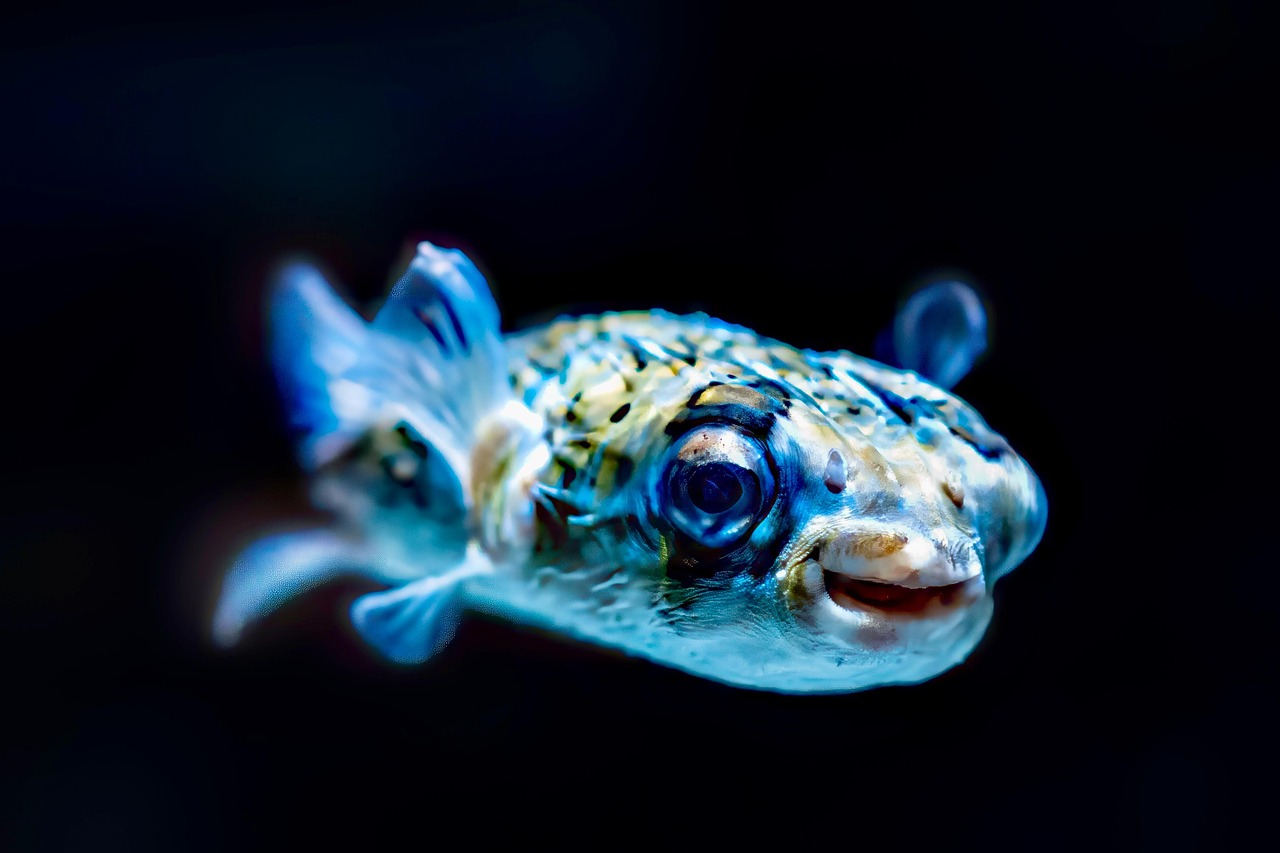
Many Ganges fish are active swimmers that need lateral space. A 120 cm tank (roughly 200-250 litres) is the minimum for a convincing biotope with a proper school of barbs or loaches. Nano tanks below 60 cm can still work for a tributary micro-biotope featuring smaller species like Dario dario (scarlet badis) and dwarf puffers, though this represents a more specialised offshoot rather than the main river channel.
Substrate and Hardscape
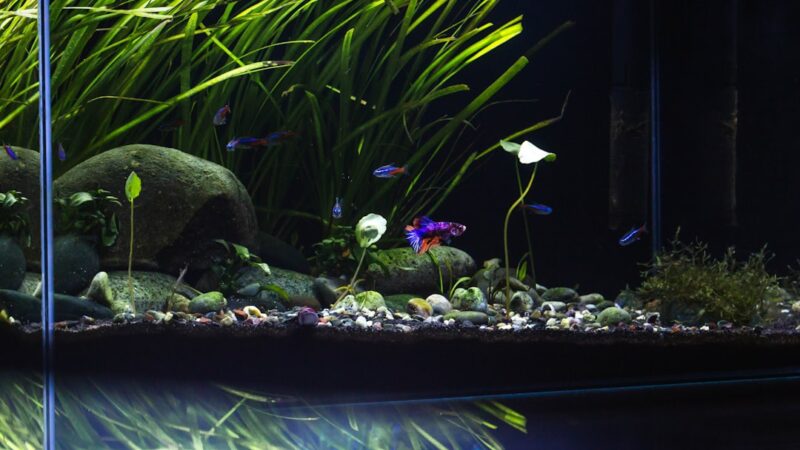
Fine river sand in a tan or beige tone forms the base. Avoid bright white pool sand, which looks artificial and reflects too much light. Scatter rounded river pebbles of varying sizes across the sand, clustering them toward one end to suggest a natural deposition zone. Driftwood should be sparse; the Ganges plains are not heavily forested underwater. One or two weathered pieces placed horizontally mimic fallen branches carried downstream. Skip dramatic vertical wood arrangements, as they do not reflect the flat, open character of this river system.
Plants for a Ganges Biotope
Vallisneria spiralis is perhaps the most iconic plant found throughout the Ganges basin, its long ribbon leaves swaying in the current. Hygrophila polysperma grows along the banks and adapts well to submerged life in aquariums. Ceratophyllum demersum (hornwort) floats in slower sections and provides excellent cover for fry. Plant density should remain moderate. The Ganges is not a lush aquatic garden; open sandy areas are just as important as the planted zones for authenticity.
Fish Species From the Ganges System
Rosy barbs (Pethia conchonius) are the quintessential Ganges community fish, hardy and brilliantly coloured. A school of eight to ten fills a 120 cm tank with constant, lively motion. Zebra danios (Danio rerio) originate from Ganges tributaries and add surface activity. For the substrate level, consider Botia lohachata (Pakistani loach) or Lepidocephalichthys guntea (Guntea loach), both native to the basin. Avoid mixing Ganges species with South American or African fish if you want to maintain biotope integrity.
Filtration and Flow
Moderate to strong flow suits this biotope, as the Ganges is a moving river, not a still pond. A canister filter rated at 8-10 times tank volume per hour, combined with a Loc-Line nozzle angled along the length of the tank, creates a directional current the fish will naturally orient into. Slightly turbid water is actually authentic, but most hobbyists prefer clear water for viewing. Fine mechanical filtration through a polishing pad or filter sock keeps things visually appealing while the fish behave as they would in gentle current.
Water Parameters and Maintenance
Aim for a pH of 7.2-7.8 and GH of 6-12 to approximate mid-Ganges conditions. Singapore tap water starts around pH 7.0 and GH 2-4, so adding a mesh bag of crushed coral to your filter raises both gradually. Temperature at 26-28 degrees Celsius requires no heater in most Singapore homes, though an air-conditioned room may drop below 25 at night. Weekly water changes of 25-30 percent maintain clarity and replenish minerals. Siphon the sand surface gently to remove mulm without disturbing the pebble layout.
Bringing the Ganges Biotope to Life
Authenticity in a Ganges river biotope aquascape lies in restraint. Resist the urge to fill every space with plants or pile rocks into dramatic formations. The beauty of this biotope is in the open swimming space, the gentle current, and the lively behaviour of the fish as they shoal and spar naturally. It is a reminder that some of the world’s most fascinating aquatic ecosystems come not from remote jungles but from rivers that sustain millions of people, translated into a living display right here in your Singapore home.
Related Reading