
Fire Belly Toad Care Guide: Bombina Orientalis Setup
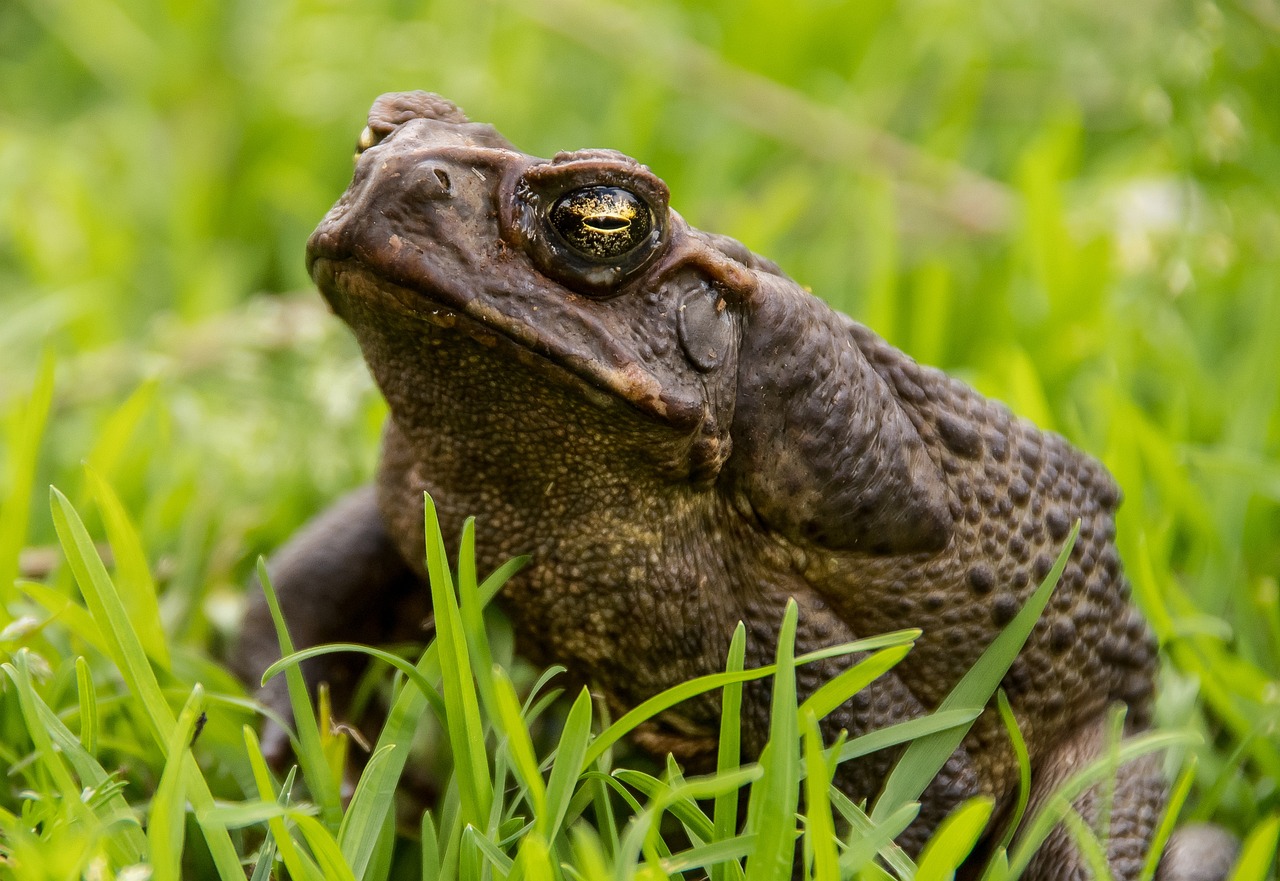
Fire belly toads are the genuinely beginner-friendly amphibian that fire belly newts are often mislabelled as. This fire belly toad care guide from Gensou Aquascaping in 5 Everton Park covers a semi-aquatic vivarium build, feeding with gut-loaded insects, and the humidity targets that keep Bombina orientalis thriving in Singapore without the need for a chiller. The species tolerates room temperature comfortably and is forgiving of the small husbandry mistakes every new keeper makes.
Quick Facts
- Scientific name: Bombina orientalis
- Adult size: 4-6 cm, compact and stocky
- Setup: land-water split, roughly 50-50, shallow water 5-8 cm deep
- Temperature: 20-26 °C ideal, tolerates up to 28 °C briefly
- Tank: 45 litres for a group of 3-4
- Diet: gut-loaded crickets, small dubia roaches, earthworms, blackworms
- Lifespan: 10-15 years, occasionally 20+
Semi-Aquatic Vivarium Build
Split the enclosure into a shallow water section and a planted land section at roughly equal volumes. A glass or plastic divider siliconed across the middle, or a large water bowl sunk into substrate, both work. The land portion needs moist but not soggy substrate — coco fibre mixed with sphagnum moss holds humidity while allowing drainage. Add cork bark hides, leaf litter, and a scatter of hardy plants like pothos and peperomia.
Water Section Details
Water depth of 5-8 cm lets toads submerge fully without drowning risk. Use a small sponge filter rated for the water volume only — keeping the water clean matters because toads defecate in it constantly. Weekly full water changes are normal for this species. Dechlorinate all incoming water; chloramine damages amphibian skin on contact.
Singapore Temperature Fit
Unlike Cynops newts, Bombina orientalis handles ambient Singapore temperatures well. No heater, no chiller, no drama in most HDB flats. The only concern is sustained spikes above 29 °C during the hottest weeks of the year — a small clip fan over the water or siting the tank away from west-facing windows manages this. Humidity naturally sits in the 70-85 % range these toads prefer.
Feeding Protocol
Gut-loaded crickets are the staple. Gut-loading means feeding the crickets a nutrient-rich diet (dark leafy greens, carrot, calcium-dusted dry food) for 24-48 hours before offering them to the toads. Small dubia roaches add variety, and live blackworms or chopped earthworms handle the aquatic feeding response. Dust insects with calcium-D3 twice weekly and a multivitamin once weekly. Feed adults every two to three days, juveniles daily.
Lighting
Fire belly toads do not require UVB — they are partially crepuscular and synthesise vitamin D through dietary supplementation. A low-output plant LED provides day-night rhythm and keeps live plants alive. Twelve hours on, twelve off, with the lights visibly shading the enclosure corners for refuge.
Group Dynamics
Fire belly toads do well in groups of three to five, and males call with a gentle chirp that becomes part of the enclosure’s character. There is no serious aggression within groups. Mixing species is not recommended — skin toxins from Bombina can affect frogs sharing the same water. Keep the species on its own.
Handling Precautions
Fire bellies secrete mild toxins from skin glands (bombesin) when threatened. Brief handling is harmless through intact skin but wash hands thoroughly before and after, and never touch eyes or mouth afterwards. Use a soft container rather than hands for transfers.
Common Problems
The two recurring issues are bloat from overfeeding (reduce portions and offer more varied prey) and bacterial skin infections from filthy water. If water looks cloudy or smells, change more often. Red patches on the underside that differ from the normal fire-orange pattern warrant a vet visit — true red leg disease kills quickly without antibiotics.
Sourcing in Singapore
Captive-bred Bombina orientalis appears on Carousell and at select reptile shops for $25-40 per toad. Choose animals with bright orange-red bellies, intact toes, and active movement. Quarantine new arrivals separately for three weeks to catch chytrid fungus or parasites before they reach an established enclosure.
Related Reading



