
Peppermint Shrimp Care Guide: Reef-Safe Cleanup With Aiptasia Control
If pest anemones have ever plagued your reef, you already know the frustration of watching aiptasia spread across your rockwork. The peppermint shrimp marine care guide you are reading now will help you harness one of the hobby’s best biological controls — Lysmata wurdemanni. Here at Gensou Aquascaping Singapore, we have seen these unassuming shrimp clear entire tanks of aiptasia within weeks, saving hobbyists from chemical treatments and tedious manual removal.
Why Peppermint Shrimp Are Popular
Peppermint shrimp serve a dual purpose in reef aquariums: they act as scavengers that consume uneaten food and detritus, and they actively hunt aiptasia anemones. A single shrimp can methodically work through a moderate aiptasia infestation over two to four weeks. Widely available at Singapore marine shops for $8-15 SGD each, they represent one of the most cost-effective pest control options in the hobby.
Species Identification
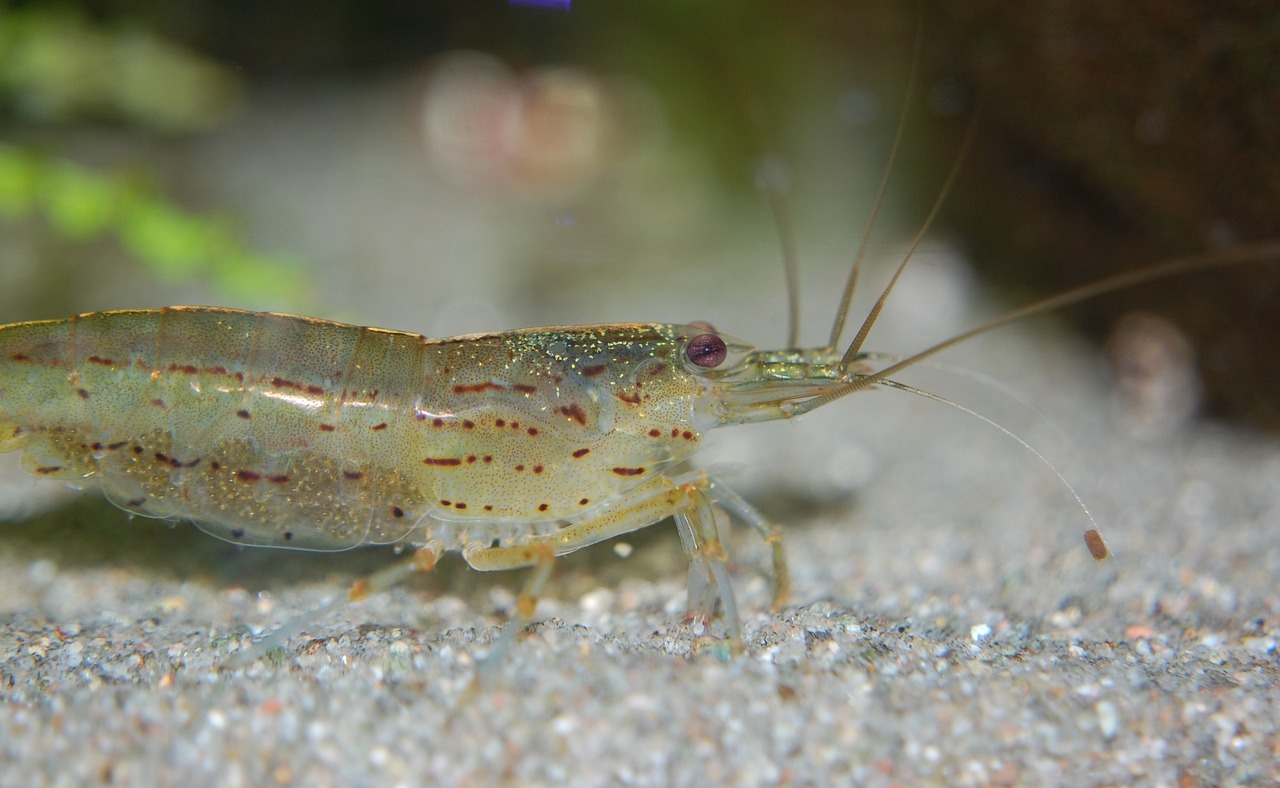
Not all shrimp sold as peppermint shrimp actually eat aiptasia. The true aiptasia-eating species is Lysmata wurdemanni, identifiable by its translucent body with distinct red longitudinal stripes. The camelback shrimp (Rhynchocinetes durbanensis) looks similar but is not reliably reef-safe and may nip at corals. When purchasing from Serangoon North area shops or online via Carousell, ask specifically for L. wurdemanni and inspect the stripe pattern carefully.
Tank Requirements
Peppermint shrimp adapt well to tanks of 40 litres and above. They are nocturnal and prefer rockwork with plenty of caves and overhangs where they can hide during daylight hours. Keep water temperature between 24 and 27 degrees C, salinity at 1.024-1.026, and maintain undetectable ammonia and nitrite levels. Like all invertebrates, they are highly sensitive to copper — never use copper-based medications in a tank housing shrimp.
Feeding and Behaviour
While peppermint shrimp scavenge opportunistically, relying solely on leftover food is insufficient for long-term health. Supplement their diet with small pieces of frozen mysis shrimp, marine pellets, or even blanched vegetable matter. Once all aiptasia in the tank is consumed, feeding becomes especially important — a well-fed peppermint shrimp is also less likely to nibble on soft corals out of hunger.
Reef Compatibility
True Lysmata wurdemanni are considered reef-safe, though occasional reports of coral nipping exist, usually linked to insufficient feeding. They coexist peacefully with fish, other shrimp species, and most invertebrates. Keep them in groups of three or more — they are social creatures that feel more secure in numbers. Avoid housing them with aggressive fish like hawkfish or large wrasses that actively prey on crustaceans.
Acclimation and Sensitivity
Shrimp are far more sensitive to salinity and temperature swings than fish. Always use the drip acclimation method over 45 to 60 minutes when introducing peppermint shrimp to your tank. A rapid change in specific gravity of even 0.002 can prove fatal. Singapore’s warm ambient temperatures mean the bag water and tank water are usually close in temperature, but salinity differences between shop tanks and home setups catch many hobbyists off guard.
Related Reading



