
First Marine Fish List for Beginners: Hardy Reef Safe
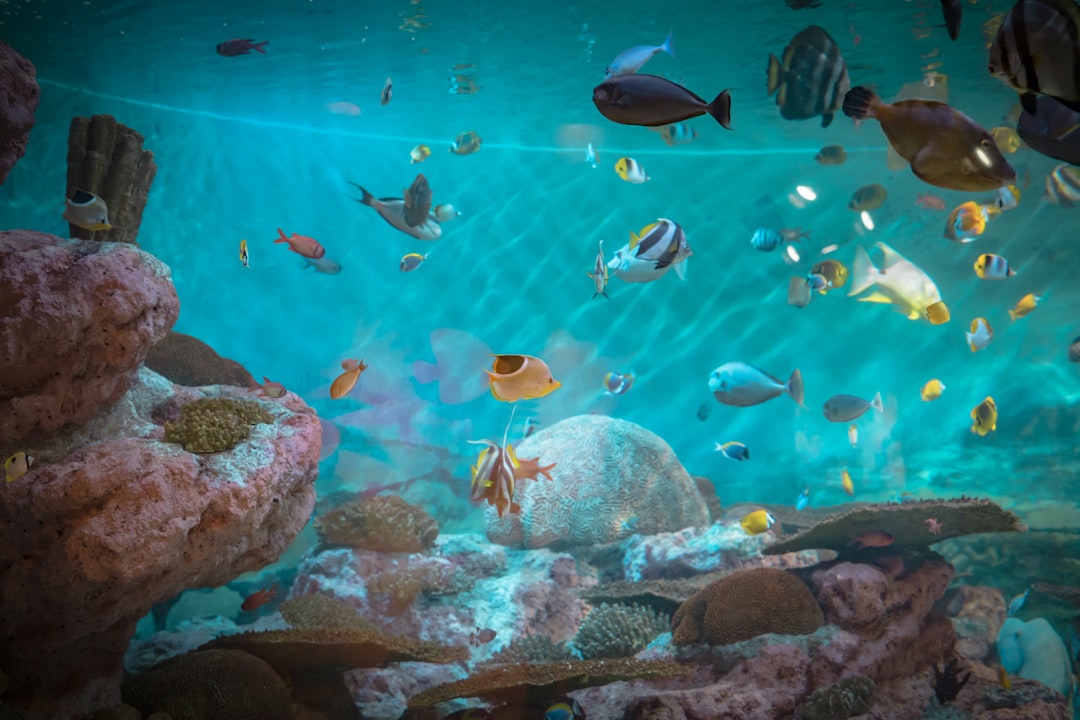
Picking the opening stock of a new reef is less glamorous than choosing corals, but it matters more. A sensible first marine fish list beginner stays within species that eat anything, resist ich pressure, and behave predictably in a 200-400 litre community. This guide from Gensou Aquascaping at 5 Everton Park, Singapore covers ten hardy reef-safe candidates, the order to add them in, and the combinations to avoid. Every fish below is readily available from Singapore shops in Pasir Ris, Clementi, and Bishan.
Quick Facts
- All ten species tolerate SG 1.025 and 25-26 °C without issue
- Each is fully reef-safe around corals and invertebrates
- Adult sizes range 5-12 cm, suitable for 200-400 litre systems
- Prices in Singapore: $15-80 per fish depending on species
- Stocking order matters — peaceful first, territorial last
- Quarantine every specimen for 4-6 weeks before display
- Add one or two fish at a time, never a full group at once
Ten Hardy Reef-Safe Species
Ocellaris and Percula Clownfish
The default first fish for good reason. Amphiprion ocellaris and its close relative A. percula are captive-bred, disease-resistant, and eat anything offered. A pair in a 200 litre tank will pair up within weeks and host just about any decorative item — from a rose bubble-tip anemone to a glass turkey-baster. Avoid mixing ocellaris with other clownfish species; it always ends in violence.
Banggai Cardinalfish
Pterapogon kauderni is slow-moving, peaceful, and mouthbrooders which makes them fascinating to observe. A trio or pair works in 200 litres plus. They need well-established tanks with copepod populations and respond best to frozen mysis three times a day. Captive-bred Banggais at $25-40 in Singapore are hardier than wild-caught imports.
Royal Gramma
Gramma loreto is a 7 cm purple-and-yellow gem that holds a single cave as territory and ignores everything outside it. One per tank only — they fight siblings to the death. Expect $35-50 in local shops. They eat mysis, brine, and quality pellet from day one and rarely contract ich.
Firefish Goby
Nemateleotris magnifica hovers elegantly in open water, darting to a rock crevice when startled. Keep singly or as a bonded pair; two unpaired specimens fight. They are jumpers, so a mesh lid is non-negotiable — Singapore hobbyists lose more firefish to the floor than to disease. Budget $25-35 per fish.
Green Chromis
Chromis viridis schools beautifully in groups of five to seven and costs $8-12 each. Be warned that over time the group self-culls down to a bonded pair, so buy extras expecting attrition. They accept any food and tolerate parameter swings better than most damsels without damsel aggression.
Yellow Watchman Goby
Cryptocentrus cinctus is a 10 cm bottom-dweller that forms a shrimp-goby partnership with a pistol shrimp. The pairing is endlessly entertaining to watch. One goby per tank; they are territorial with conspecifics. Plan for $25 plus another $30-40 for a tiger pistol shrimp.
Tailspot Blenny
Ecsenius stigmatura perches on rockwork and grazes film algae without bothering coral. Peaceful toward everything except other blennies. They occasionally nip at clam mantles but are otherwise reef-safe. Around $30-40 in local stores, and ideally added after some biofilm has developed.
Six Line Wrasse
Pseudocheilinus hexataenia eats bristleworms, small flatworms, and pyramidellid snails — genuinely useful as well as attractive. The catch is increasing aggression as they mature. Add last, and only in tanks of 200 litres or more. Expect to see $25-40 locally.
Coral Beauty Angelfish
Centropyge bispinosa is the most reef-safe of the dwarf angels, with a roughly 80 percent track record of ignoring corals. Individual personalities vary — some nip LPS. Keep one per tank in 300 litres plus. They graze algae constantly and add warm orange colour to a blue-lit reef. Budget $70-120.
Lawnmower Blenny
Salarias fasciatus is the classic algae solution, hoovering hair and film algae once the tank has enough biofilm. Add only after the tank has been running three months — earlier and they starve. One per tank, and supplement with nori once algae thins out.
Stocking Order and Avoidance
Add peaceful fish first — clowns, chromis, gramma — then blennies and gobies, and finish with the six line wrasse or coral beauty. Skip damsels, lionfish, and any dottyback in a community context; they regret their purchase by month three. Quarantine everything for a minimum of four weeks using copper or tank-transfer method to avoid ich pressure on the display.
Related Reading



