
Giant Danio Care Guide: Active Schoolers for Large Tanks
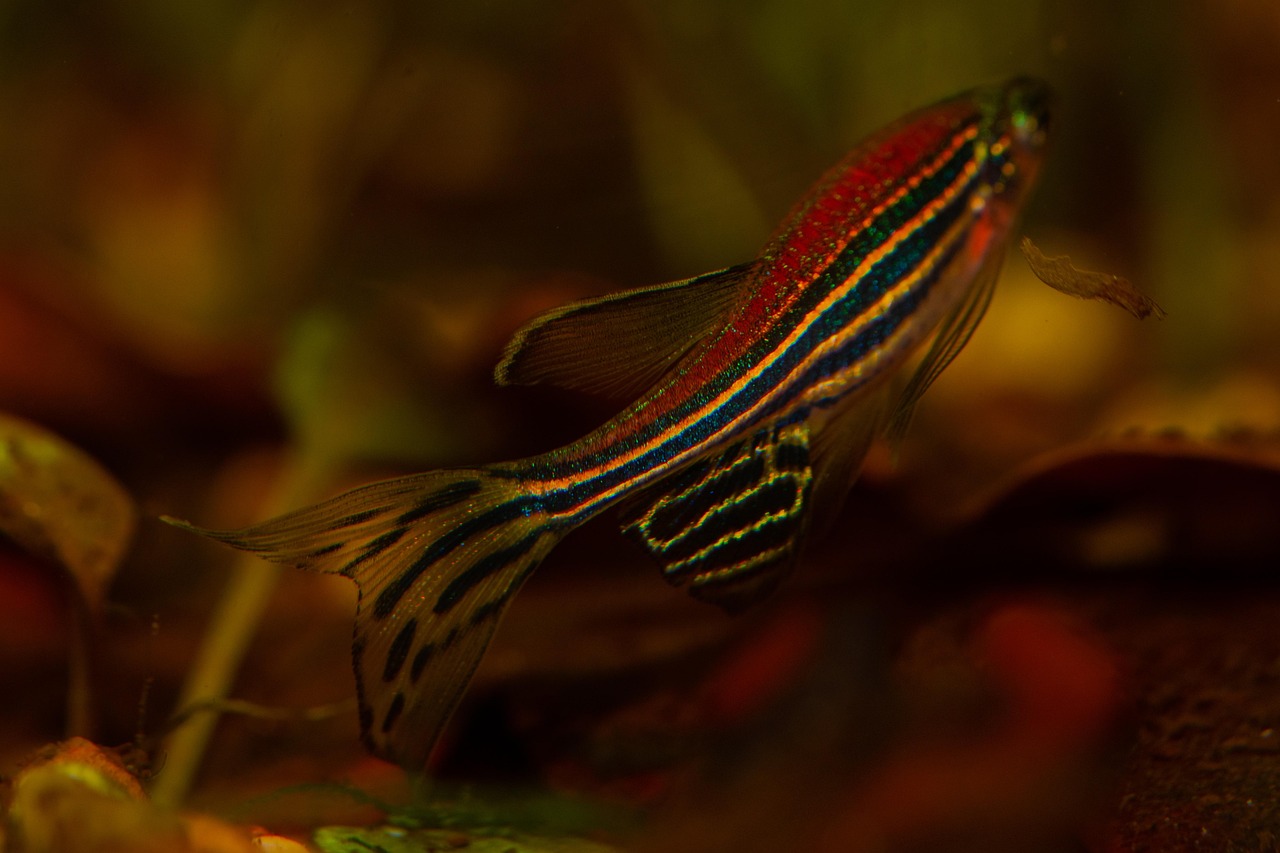
Table of Contents
- Introduction
- Species Overview and Origin
- Tank Setup and Water Parameters
- Feeding and Diet
- Behaviour and Temperament
- Compatible Tank Mates
- Breeding Giant Danios
- Common Health Issues
- Frequently Asked Questions
- Conclusion
Introduction
If you have ever watched a school of giant danios racing back and forth across a large aquarium, you will understand why these fish remain perennial favourites among hobbyists. This giant danio care guide covers everything you need to know about keeping Devario aequipinnatus healthy, active, and thriving in your home aquarium. From water parameters to breeding tips, we draw on over 20 years of hands-on experience at Gensou, our aquascaping studio at 5 Everton Park, Singapore, to give you practical advice that actually works. This guide sits inside our broader Tropical Fish Species Master Index reference.
Giant danios are often recommended for larger community tanks because they are hardy, peaceful, and endlessly entertaining. Their shimmering blue-green bodies, accented with golden horizontal stripes, add a flash of colour that few mid-water swimmers can match. Whether you are setting up your first big tank or looking for a dither fish to calm skittish cichlids, the giant danio deserves a place on your shortlist.
Species Overview and Origin
The giant danio (Devario aequipinnatus) belongs to the family Cyprinidae and is native to the fast-flowing hill streams, rivers, and pools of South and Southeast Asia. Its natural range extends from Sri Lanka and the western coast of India through Nepal and into Myanmar. These fish inhabit well-oxygenated waters with moderate to strong currents, often surrounded by rocky substrates and overhanging vegetation.
In the wild, giant danios can reach up to 15 centimetres in length, although specimens kept in home aquaria typically grow to around 10–12 centimetres. They are true schooling fish and are rarely found alone in nature, preferring groups of six or more. Their lifespan in captivity, given proper care, is approximately five to seven years.
Appearance
Giant danios display a sleek, torpedo-shaped body built for speed. The base colour is a metallic blue-green that catches the light beautifully, overlaid with bold golden-yellow horizontal stripes running from behind the gill plate to the caudal fin. Females tend to be slightly rounder in the belly, especially when gravid, while males are more slender with more vivid colouration.
Tank Setup and Water Parameters
Getting the tank environment right is the most important step in this giant danio care guide. These are active, fast-swimming fish that need horizontal swimming space above all else. A long, rectangular aquarium is far more suitable than a tall, narrow design.
Recommended Water Parameters
| Parameter | Recommended Range |
|---|---|
| Tank Size (Minimum) | 200 litres (55 gallons) |
| Temperature | 22–26 °C (72–79 °F) |
| pH | 6.0–8.0 |
| General Hardness (GH) | 5–19 dGH |
| Carbonate Hardness (KH) | 2–12 dKH |
| Ammonia / Nitrite | 0 ppm |
| Nitrate | Below 20 ppm |
| Water Flow | Moderate to strong |
Aquascaping Tips
In Singapore’s tropical climate, room temperature often sits within the giant danio’s comfort zone, so a heater may not always be necessary—though one is still recommended for stability during cooler spells. Use a powerful hang-on-back or canister filter to generate good water flow, which mimics their native riverine habitat. A tight-fitting lid is essential, as giant danios are legendary jumpers.
Leave the centre of the tank relatively open for swimming, and plant the sides and back with hardy species like Vallisneria, Java fern, or Cryptocoryne. Smooth river stones and driftwood along the bottom complete a natural-looking setup. Avoid sharp decorations that could injure these fast-moving fish.
Feeding and Diet
Giant danios are omnivores with hearty appetites. In the wild, they feed on insects, small crustaceans, worms, and plant matter that falls into the water. Replicating this varied diet in captivity is straightforward and rewarding.
Recommended Foods
- High-quality flake or pellet food – This should form the staple diet. Choose a formula designed for tropical freshwater fish.
- Frozen or live foods – Bloodworms, brine shrimp, daphnia, and tubifex worms are eagerly accepted and help boost colour and condition.
- Vegetable matter – Blanched spinach, spirulina wafers, or algae-based flakes add essential fibre.
- Insect-based foods – Freeze-dried or live insects such as fruit flies or mosquito larvae are a natural treat.
Feed two to three times a day, offering only as much as the school can consume within two to three minutes. Giant danios are surface and mid-water feeders, so floating or slow-sinking foods work best. Overfeeding leads to water quality issues, which is the number-one cause of health problems in any aquarium.
Behaviour and Temperament
Giant danios are active, boisterous fish that spend most of their time swimming back and forth in the upper and middle water columns. They are not aggressive in the traditional sense, but their relentless energy and speed can intimidate smaller, slower tank mates. Within their own school, males may chase one another in displays of dominance, but this rarely results in injury.
Keeping them in groups of at least six—preferably eight to ten—is crucial. A school that is too small can lead to stress and fin-nipping behaviour directed at other fish. In a properly sized group, the hierarchy stabilises and the fish feel secure enough to display their natural schooling behaviour, which is a spectacular sight in a well-designed aquascape.
Activity Patterns
These fish are diurnal and most active during daylight hours. They respond enthusiastically to feeding time and will often be the first to the surface when you approach the tank. Their constant motion makes them excellent dither fish for shy species like eartheaters or medium-sized cichlids.
Compatible Tank Mates
Choosing the right companions is an important part of any giant danio care guide. Because of their size and activity level, giant danios do best with fish that can hold their own without being aggressive.
Good Tank Mates
| Species | Why They Work |
|---|---|
| Rainbowfish | Similar size, activity level, and water requirements |
| Larger barbs (tinfoil, denison) | Fast swimmers that match the danios’ energy |
| Medium cichlids (angelfish, severums) | Giant danios serve as effective dither fish |
| Corydoras catfish | Peaceful bottom-dwellers that occupy a different zone |
| Bristlenose plecos | Stay out of the danios’ way; keep algae in check |
| Larger loaches (clown, yoyo) | Hardy bottom-dwellers with compatible temperaments |
Species to Avoid
- Small, slow-moving fish – Bettas, small tetras, and guppies may be stressed or outcompeted for food.
- Long-finned varieties – The danios’ speed can lead to occasional fin-nipping of slow, flowing-finned species.
- Dwarf shrimp – Neocaridina and Caridina shrimp are likely to be eaten by adult giant danios.
- Highly territorial fish – Aggressive cichlids like Jack Dempseys or red devils will harass the school.
Breeding Giant Danios
Giant danios are egg scatterers and among the easier cyprinids to breed in captivity. With the right conditions, spawning can occur quite readily.
Conditioning
Separate a group of healthy adults—ideally two males for every female—and feed them generously on high-protein live or frozen foods for one to two weeks. Females will visibly plump up as they develop eggs.
Spawning Setup
Set up a separate breeding tank of at least 100 litres with a slightly lower water level (around 20 centimetres). Use a spawning grate or a thick layer of Java moss on the bottom to protect the eggs from being eaten by the parents. Raise the temperature slightly to 25–27 °C and perform a large water change with slightly cooler water to simulate the onset of the monsoon season—a natural spawning trigger.
Spawning and Fry Care
Spawning typically occurs in the morning. The female scatters hundreds of small, adhesive eggs among plants or over the substrate while the male fertilises them. Remove the adults immediately after spawning, as they will readily consume their own eggs.
Eggs hatch within 24–36 hours, and the fry become free-swimming after another two to three days. Feed infusoria or liquid fry food initially, graduating to baby brine shrimp and finely crushed flake as they grow. Maintain excellent water quality with gentle sponge filtration.
Common Health Issues
Giant danios are robust fish, but they are not immune to common freshwater ailments. The most frequently encountered issues include:
- Ich (white spot disease) – Presents as small white dots on the body and fins. Raise temperature to 30 °C gradually and treat with a copper-based medication.
- Fin rot – Usually caused by poor water quality. Improve conditions and treat with antibacterial medication if necessary.
- Mycobacteriosis – A chronic bacterial infection that can cause wasting. Quarantine affected fish and maintain pristine water.
- Jumping injuries – Ensure the tank has a secure, tight-fitting lid at all times.
Prevention is always better than cure. Weekly water changes of 25–30 per cent, careful feeding, and quarantining new additions for at least two weeks will go a long way towards keeping your giant danios in peak health.
Frequently Asked Questions
How many giant danios should I keep together?
A minimum of six is recommended, but eight to ten is ideal. Larger schools distribute aggression more evenly and produce more natural, visually impressive schooling behaviour. In a tank smaller than 200 litres, giant danios are not a suitable choice regardless of group size.
Can giant danios live in an unheated tank in Singapore?
Singapore’s ambient temperatures typically range from 25–32 °C, which overlaps with the giant danio’s preferred range. However, a heater set to 24–25 °C is still advisable to prevent temperature fluctuations during heavy rain or air-conditioned rooms, both of which can cause sudden drops.
Are giant danios suitable for planted aquascapes?
Yes, but with caveats. Giant danios do not eat plants, but their vigorous swimming can uproot delicate stem plants and disturb fine substrates. Use well-rooted, hardy species and consider attaching plants to hardscape rather than planting them directly in the substrate.
Do giant danios jump out of the tank?
Absolutely. Giant danios are powerful jumpers, especially when startled or during feeding frenzies. A secure lid with no gaps is non-negotiable. Even small openings around filter intakes or airline tubing should be covered with foam or mesh.
Related Reading
- How to Breed Celestial Pearl Danios: Galaxy Rasbora Fry Guide
- Celestial Pearl Danio Care Guide: Galaxy Rasbora in Nano Tanks
- Celestial Pearl Danio vs Ember Tetra: Which Nano Fish to Choose
- Celestial Pearl Danio vs Neon Tetra: Which Is Right for You?
- Giant African Filter Shrimp Care Guide: Atya gabonensis in Flow
Conclusion
Giant danios are a brilliant choice for hobbyists who want an energetic, colourful, and hardy schooling fish for a spacious aquarium. Their ease of care, compatibility with a wide range of tank mates, and willingness to breed in captivity make them a rewarding species at every experience level. We hope this giant danio care guide has given you the confidence to add these lively swimmers to your setup.
At Gensou, we have been helping Singapore’s aquascaping community for over two decades. Whether you need healthy livestock, premium aquascaping supplies, or a fully custom aquarium designed and installed for your space, our team is here to help. Visit us at 5 Everton Park, browse our online shop, or get in touch to start planning your next aquatic masterpiece.



