
Glowlight Tetra Care Guide: A Warm Neon Glow for Your Tank
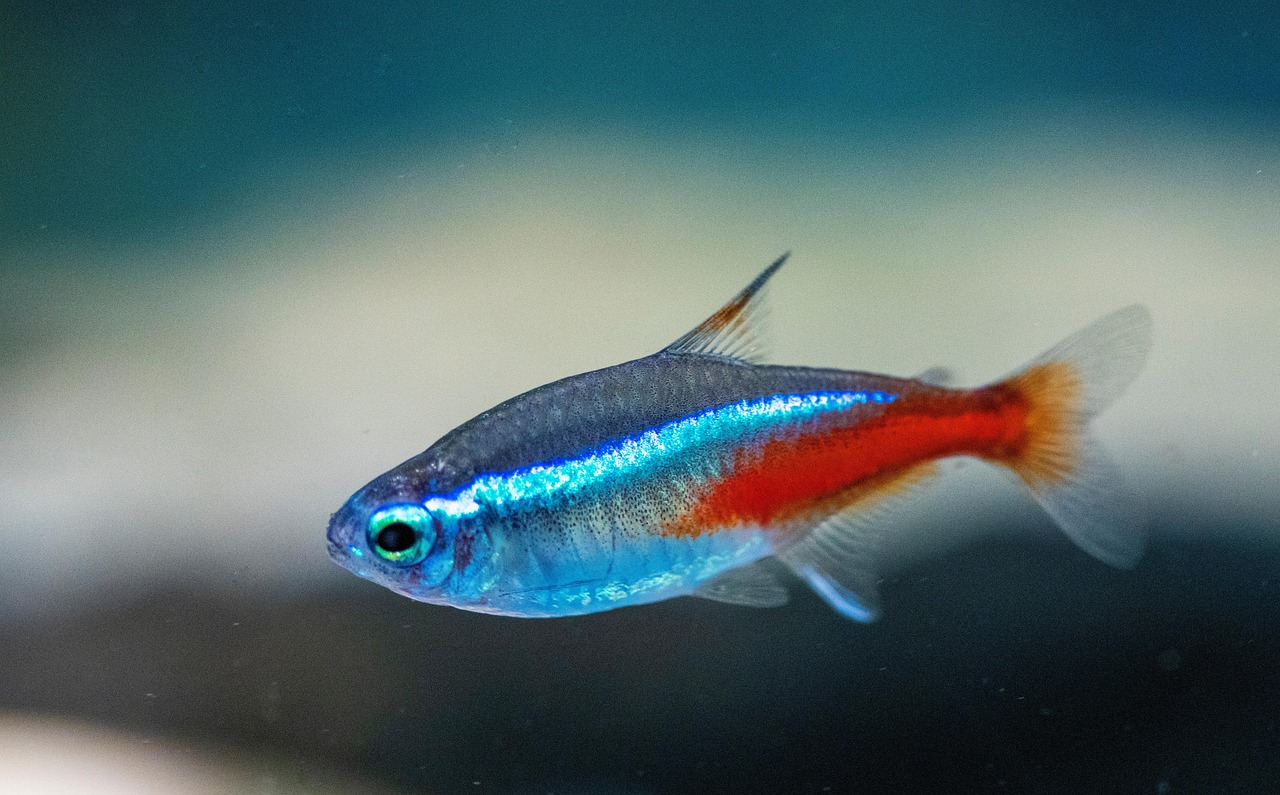
Table of Contents
Introduction
There is something deeply calming about watching a school of glowlight tetras drift through a planted aquarium. This glowlight tetra care guide introduces you to Hemigrammus erythrozonus, a small, peaceful characin whose signature feature — a luminous copper-orange stripe running the length of its translucent body — creates an effect that looks almost like a string of tiny lanterns floating through your tank. This guide sits inside our broader Tropical Fish Species Master Index reference.
Glowlight tetras have been a beloved staple in the freshwater hobby for generations, and for good reason. They are hardy, inexpensive, peaceful, and absolutely stunning when kept in a well-designed planted aquarium. For Singapore aquarists, they offer the added bonus of thriving comfortably in our warm tropical climate without the need for a chiller or, in many cases, even a heater.
Species Overview and Origin
The glowlight tetra was first collected from the Essequibo River basin in Guyana, South America, in the 1930s. In the wild, they inhabit slow-moving, heavily shaded forest streams where the water is stained dark brown with tannins from decaying leaves and wood. These blackwater conditions produce very soft, acidic water — often with a pH below 6.0.
Despite these specific wild conditions, decades of captive breeding have produced fish that are remarkably adaptable. The vast majority of glowlight tetras sold in Singapore are commercially bred in Southeast Asian farms, making them well-acclimated to a broader range of water parameters than their wild ancestors.
Quick Species Profile
| Attribute | Detail |
|---|---|
| Scientific Name | Hemigrammus erythrozonus |
| Common Names | Glowlight tetra, glo-light tetra, fire neon |
| Family | Characidae |
| Origin | Essequibo River, Guyana |
| Adult Size | 3.5–4 cm (1.5 inches) |
| Lifespan | 3–5 years |
| Temperament | Peaceful, schooling |
| Diet | Omnivore |
Appearance
The glowlight tetra has a semi-transparent, silvery body with a warm peach or salmon-coloured undertone. The defining feature is a bright iridescent stripe that runs horizontally from the snout to the base of the caudal fin. This stripe ranges in colour from copper to fiery orange-red, depending on the lighting, water conditions, and the individual fish’s health. Under subdued lighting against a dark background, the stripe appears to glow — hence the common name.
Males and females look similar, though females tend to be slightly plumper, especially when gravid. Males may appear marginally more slender and display a slightly more intense stripe.
Tank Setup and Water Parameters
Glowlight tetras are small, undemanding fish that do well in tanks as modest as 40 litres (10 gallons) for a school of six to eight. However, a 60–80 litre tank provides better water stability and allows for a more visually impactful school of 12 or more.
Recommended Water Parameters
| Parameter | Ideal Range |
|---|---|
| Temperature | 24–28 °C (75–82 °F) |
| pH | 5.5–7.5 |
| General Hardness (GH) | 2–12 dGH |
| Carbonate Hardness (KH) | 1–8 dKH |
| Ammonia / Nitrite | 0 ppm |
| Nitrate | Below 20 ppm |
PUB tap water in Singapore is generally suitable after dechlorination, though glowlight tetras show their best colour in softer, slightly acidic conditions. If your tap water runs on the harder side (above 10 dGH), consider adding peat filtration, Indian almond leaves, or blending with RO water to soften it. These adjustments are optional for general keeping but make a noticeable difference in colour vibrancy and breeding success.
Substrate and Hardscape
A dark substrate is non-negotiable if you want your glowlight tetras to look their best. On a pale substrate, their colours wash out as the fish lighten their pigmentation to blend in — a natural camouflage response. Black sand, dark gravel, or a nutrient-rich aquasoil like ADA Amazonia all work beautifully.
For hardscape, driftwood is the ideal choice. Spider wood or Malaysian driftwood not only looks natural but also leaches tannins that soften the water and tint it a warm amber. This replicates the blackwater conditions glowlight tetras evolved in and intensifies their glowing stripe. Smooth river stones and dragon stone are also suitable as complementary hardscape elements.
Planting Suggestions
Glowlight tetras appreciate a well-planted tank with a mix of shaded areas and open swimming space. They look particularly stunning against a lush green backdrop. Good plant choices for Singapore conditions include:
- Background: Rotala rotundifolia, Limnophila sessiliflora, Vallisneria
- Midground: Java fern, Anubias barteri, Cryptocoryne wendtii
- Foreground: Marsilea hirsuta, Cryptocoryne parva, or a Monte Carlo carpet
- Floating plants: Salvinia, Amazon frogbit, or red root floaters provide welcome shade and reduce light intensity at the surface
Floating plants are especially valuable because they dim the lighting naturally, encouraging the tetras to swim more boldly in the open rather than hiding among the stems.
Lighting and Colour Enhancement
Lighting plays a critical role in how glowlight tetras present themselves. Under harsh, overly bright lights, the fish appear pale and tend to retreat to shaded corners. Under moderate or subdued lighting — particularly warm-toned LEDs — their iridescent stripe comes alive.
If you are running a high-output LED for plant growth, use floating plants or tall stem plants to create dappled shade zones in the tank. Many modern aquarium lights (Chihiros, Twinstar, ONF) allow dimming or spectrum adjustment, which gives you the flexibility to find a balance between plant health and fish presentation.
Tannin-stained water from driftwood or Indian almond leaves also enhances the glow effect by providing a warm, amber backdrop against which the stripe stands out dramatically. This “blackwater” approach has become increasingly popular among Singaporean aquascapers for good reason.
Feeding and Diet
Glowlight tetras are easy to feed and accept a wide range of foods. Their small mouths mean they do best with finely sized items.
Recommended Diet
- Staple: Crushed high-quality flakes or micro pellets. Look for products with whole fish or shrimp as the first ingredient rather than fillers like wheat or corn.
- Frozen foods: Baby brine shrimp, daphnia, cyclops, and finely chopped bloodworms. These should be offered two to three times per week for variety and nutritional completeness.
- Live foods: Daphnia, micro worms, and vinegar eels are excellent supplementary foods. Live baby brine shrimp are particularly beneficial for conditioning fish for breeding.
- Colour-enhancing foods: Foods rich in astaxanthin and carotenoids — such as spirulina flakes and foods containing krill — can intensify the orange-red hue of the glowing stripe over time.
Feed in small portions once or twice daily. Glowlight tetras are mid-water feeders and prefer food that sinks slowly through the water column. Floating flakes may need to be wetted or crushed to help them sink.
Behaviour and Temperament
Glowlight tetras are among the most peaceful tetras in the hobby. They lack the nippy tendencies of serpae tetras or the boisterousness of Buenos Aires tetras. Instead, they are calm, gentle schoolers that spend their time cruising through the mid-levels of the tank in a loose formation.
In a well-planted aquarium with subdued lighting, they become bolder and more active, venturing into open areas and displaying their best colours. In sparse, brightly lit setups, they tend to be shy and cluster nervously in corners.
They are a true schooling species and should be kept in groups of at least six, though schools of 10–15 or more create a far more impressive visual effect. A large school moving in unison through a planted aquascape is one of the hobby’s most rewarding sights.
Compatible Tank Mates
Glowlight tetras are ideal community fish and can coexist with a wide variety of peaceful species. Their small size and gentle nature mean they should not be housed with anything large enough to eat them or aggressive enough to bully them.
Excellent Tank Mates
- Neon tetras and cardinal tetras
- Ember tetras
- Harlequin rasboras
- Celestial pearl danios
- Pygmy corydoras and panda corydoras
- Otocinclus catfish
- Kuhli loaches
- Cherry shrimp and Amano shrimp
- Nerite snails
- Honey gouramis
Tank Mates to Avoid
- Cichlids (including aggressive dwarf species)
- Large barbs (tiger barbs, tinfoil barbs)
- Predatory fish (leaf fish, freshwater puffers)
- Large catfish that could swallow them at night
Breeding Glowlight Tetras
Glowlight tetras can be bred in captivity, though it requires more deliberate effort than simply leaving a mixed-sex group in a community tank. Like most small characins, they are egg scatterers that show no parental care.
Conditioning
Select a healthy, well-coloured pair and feed them a protein-rich diet of live and frozen foods for two weeks. Females ready to spawn will appear noticeably plumper when viewed from above.
Breeding Tank Setup
| Parameter | Recommended |
|---|---|
| Tank Size | 15–20 litres |
| Temperature | 27–28 °C |
| pH | 5.5–6.5 |
| GH | Below 4 dGH |
| Lighting | Very dim or dark |
| Spawning Medium | Java moss, spawning mop, or mesh grid |
| Filtration | Gentle sponge filter |
The soft, acidic water is important — glowlight tetra eggs are sensitive to hard water and may fail to develop properly if the GH is too high. Use RO water with a small amount of peat extract to achieve the right conditions.
Spawning and Fry Care
Introduce the conditioned pair in the evening. Spawning typically occurs at dawn, with the pair swimming side by side and the female releasing eggs among the plants or spawning mop. A single spawning can produce 100–200 eggs. Remove the parents immediately afterwards, as they will eat the eggs.
Eggs are light-sensitive, so keep the breeding tank dark or covered. They hatch in 24–36 hours, and the fry absorb their yolk sacs over the next two to three days. Once free-swimming, feed infusoria or paramecium cultures for the first week, then graduate to newly hatched baby brine shrimp. In Singapore’s warm climate, brine shrimp eggs hatch rapidly — usually within 18–24 hours.
Health and Disease Prevention
Glowlight tetras are reasonably hardy but can be susceptible to common diseases, especially in poorly maintained tanks or after stressful events like transport or introduction to a new environment.
- Ich (white spot): Small white cysts on the body and fins. Raise temperature to 30 °C and treat with a copper-based or malachite green medication. Glowlight tetras tolerate heat well, making thermal treatment effective.
- Neon tetra disease: A parasitic infection caused by Pleistophora hyphessobryconis. Symptoms include patchy colour loss, cysts beneath the skin, and erratic swimming. Unfortunately, there is no cure. Affected fish should be removed promptly to prevent spread.
- Columnaris: A bacterial infection that presents as white, cottony growths on the mouth, body, or fins. Treat with antibacterial medication and improve water quality.
- Stress-related colour loss: If your glowlight tetras appear pale and washed out, check for stressors such as aggressive tank mates, excessive light, poor water quality, or an insufficiently large school.
Quarantine all new fish for at least two weeks before adding them to an established tank. This simple practice prevents the vast majority of disease introductions.
Frequently Asked Questions
Are glowlight tetras the same as GloFish?
No. Glowlight tetras (Hemigrammus erythrozonus) are a naturally occurring species with an inherent iridescent stripe. GloFish are genetically modified fish (usually danios or tetras) that have been engineered to fluoresce under UV light. The two are completely unrelated. Glowlight tetras achieve their “glow” through natural iridescence, not genetic modification.
How many glowlight tetras should I keep?
A minimum of six, though 10–15 is strongly recommended for the best schooling behaviour and visual impact. In a larger group, glowlight tetras are bolder, display more natural behaviour, and show off their colours more confidently. A large school in a well-planted tank is genuinely mesmerising.
Do glowlight tetras need a heater in Singapore?
For most Singapore homes, no. Ambient room temperature typically sits between 27–31 °C, which is within the species’ comfortable range. If your aquarium is in a heavily air-conditioned room that drops below 24 °C for extended periods, a thermostatically controlled heater set to 26 °C is advisable. Otherwise, you can save the electricity.
Can glowlight tetras live with bettas?
Yes, in most cases. Glowlight tetras are peaceful and lack the bright, flowing fins that trigger aggression in bettas. A school of glowlight tetras in a well-planted 40-litre or larger tank can coexist comfortably with a single betta. Monitor the betta’s temperament during the first few days, as individual personalities vary.
Related Reading
- Bentosi Tetra Care Guide: Ornate Fins and Subtle Elegance
- Black Neon Tetra Care Guide: Understated Elegance
- Long-Fin Black Neon Tetra Care Guide: Flowing Dark Elegance
- Black Phantom Tetra Care Guide: Dark Elegance in Schools
- Black Skirt Tetra Care Guide: Bold Shape and Easy Keeping
Conclusion
The glowlight tetra is a timeless classic that deserves a place in any peaceful community aquarium. Its subtle beauty, gentle temperament, and ease of care make it an excellent choice for beginners and experienced hobbyists alike. When kept in a dark-substrate, well-planted tank with soft lighting, a school of glowlight tetras creates an atmosphere that is genuinely magical.
At Gensou Aquascaping, we specialise in creating planted aquariums that showcase fish like the glowlight tetra at their absolute best. With over two decades of experience and a studio at 5 Everton Park, Singapore, we are passionate about helping hobbyists build aquascapes they can be proud of.
Visit our shop for premium plants, hardscape materials, and aquascaping tools, or reach out to our team for personalised advice on your next project.



