
Serpae Tetra Care Guide: Bold Red With a Nippy Streak
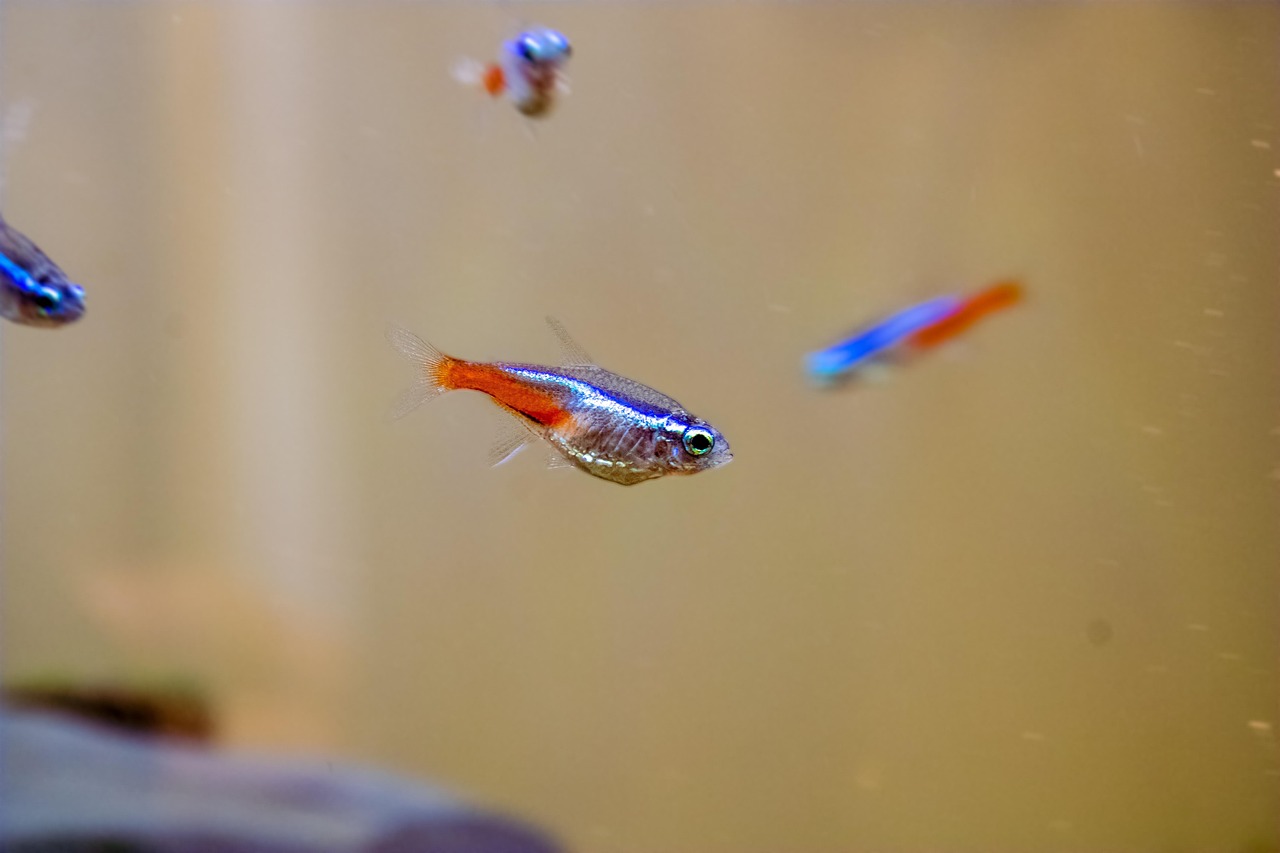
Table of Contents
Introduction
Few freshwater fish deliver as much visual punch per dollar as the serpae tetra. This serpae tetra care guide covers everything you need to know about keeping Hyphessobrycon eques — a bold, flame-red characin that brings instant warmth and energy to any community aquarium. Also known as the jewel tetra or red minor tetra, this species is a staple at fish shops across Singapore and remains one of the most affordable and widely available tetras in the hobby. This guide sits inside our broader Tropical Fish Species Master Index reference.
However, the serpae tetra comes with a well-earned reputation for fin nipping. Dismissing them as “just another aggressive tetra” would be a mistake, though. With proper stocking, adequate space, and a thoughtful approach to tank mate selection, their nippy tendencies can be managed effectively. Read on to learn how to bring out the best in these fiery little fish.
Species Overview and Origin
Serpae tetras originate from the Amazon River basin, particularly the slow-moving tributaries, floodplain lakes, and marshy backwaters of Brazil, Bolivia, Paraguay, and Argentina. In the wild, they inhabit densely vegetated, tannin-stained waters with soft, acidic conditions and a dark substrate of decomposing leaf litter.
The species has been bred commercially for decades, and virtually all specimens sold in Singapore are farm-raised — primarily from farms in Southeast Asia. This means they are well-adapted to local water conditions and far hardier than wild-caught fish.
Quick Species Profile
| Attribute | Detail |
|---|---|
| Scientific Name | Hyphessobrycon eques |
| Common Names | Serpae tetra, jewel tetra, red minor tetra, blood characin |
| Family | Characidae |
| Origin | Amazon basin (Brazil, Bolivia, Paraguay, Argentina) |
| Adult Size | 4–5 cm (1.5–2 inches) |
| Lifespan | 5–7 years |
| Temperament | Semi-aggressive; fin nipper in small groups |
| Diet | Omnivore |
Appearance
Healthy serpae tetras display a deep, flame-red body with a distinctive dark comma-shaped marking just behind the gill plate. The dorsal fin is predominantly black with a white edge, while the anal and caudal fins carry a red-orange hue with dark tips. Males tend to be slimmer and more intensely coloured than females, which are fuller-bodied and slightly paler. Colour intensity improves significantly with a dark substrate, a tannin-rich environment, and a high-quality diet.
Tank Setup and Water Parameters
Serpae tetras are active, schooling fish that need room to swim and establish a pecking order. A 75-litre (20-gallon) tank is the recommended minimum for a group of eight to ten fish. Keeping them in anything smaller tends to intensify their nippy behaviour, as individuals cannot escape from dominant fish.
Recommended Water Parameters
| Parameter | Ideal Range |
|---|---|
| Temperature | 24–28 °C (75–82 °F) |
| pH | 5.5–7.5 |
| General Hardness (GH) | 4–15 dGH |
| Carbonate Hardness (KH) | 2–8 dKH |
| Ammonia / Nitrite | 0 ppm |
| Nitrate | Below 30 ppm |
Singapore’s PUB tap water, once dechlorinated, generally falls within the acceptable range for serpae tetras. They are remarkably adaptable to a wide pH range, though they show their best colouration in slightly acidic, softer water. Adding Indian almond leaves (ketapang leaves, which are easy to source locally) or a piece of driftwood can help lower pH naturally while tinting the water a light amber — mimicking the blackwater habitats they evolved in.
Aquascaping Considerations
A well-planted tank with open swimming areas strikes the ideal balance for serpae tetras. Consider the following layout:
- Background and sides: Dense planting with stem plants such as Rotala rotundifolia, Ludwigia repens, or Hygrophila polysperma. These grow rapidly in Singapore’s warm temperatures and provide visual barriers that reduce chasing.
- Midground: Anubias, Java fern, and Cryptocoryne species attached to driftwood or tucked among rocks.
- Foreground: Low-growing carpeting plants or open sand/gravel areas for swimming.
- Hardscape: Driftwood and smooth river stones provide hiding spots and break up sightlines. Avoid sharp-edged rocks, as serpae tetras are fast swimmers and could injure themselves during sudden dashes.
A dark substrate — such as ADA Amazonia, black sand, or dark gravel — will dramatically enhance their red colouration. Under bright lighting on a pale substrate, serpae tetras often look washed out and pale.
Feeding and Diet
Serpae tetras are unfussy omnivores that accept virtually any food offered. This makes feeding them one of the simplest aspects of their care.
Diet Recommendations
- Staple food: High-quality flake or micro pellet food with a good protein content. Brands like Hikari, New Life Spectrum, and Sera are readily available at Singapore fish shops.
- Frozen foods: Bloodworms, brine shrimp, and daphnia — offer two to three times per week to boost colour and condition.
- Live foods: Baby brine shrimp, daphnia, and mosquito larvae are eagerly consumed. Culturing mosquito larvae in a covered container outdoors is simple in Singapore’s tropical climate, though be mindful of dengue prevention guidelines from NEA.
- Vegetable matter: Blanched spinach or spirulina-based flakes provide beneficial plant fibre. Serpae tetras will also graze on soft algae growth in a mature tank.
Feed small amounts twice daily. Serpae tetras are greedy eaters and will gorge themselves if given the opportunity, which can lead to bloating and water quality issues. A varied diet keeps their immune system strong and their colours at peak intensity.
Behaviour and Temperament
Serpae tetras are active, sometimes boisterous fish with a complex social hierarchy. Within their school, individuals constantly jockey for position through fin displays, brief chases, and — yes — occasional fin nipping directed at each other. This intra-species sparring is normal and rarely causes lasting harm when the group is large enough.
The real issue arises when serpae tetras direct their nipping behaviour towards other species, particularly those with long, flowing fins. Slow-moving fish like bettas, angelfish, and fancy guppies are frequent targets. This behaviour is not born from malice; it is an instinctive response triggered by fluttering fins that resemble food items or rival fish.
Understanding this tendency is the key to successful serpae tetra keeping. Rather than avoiding the species entirely, experienced hobbyists manage the behaviour through proper stocking strategies.
Choosing the Right Tank Mates
The golden rule with serpae tetras is to select tank mates that are fast, robust, and short-finned. Avoid anything slow, delicate, or possessing long trailing fins.
Compatible Tank Mates
| Species | Why It Works |
|---|---|
| Black skirt tetras | Equally robust and fast; too large to be bullied |
| Buenos Aires tetras | Tough, active, and similarly sized |
| Tiger barbs | Match serpae tetras in energy and temperament |
| Corydoras catfish | Bottom dwellers that stay out of the serpae tetras’ zone |
| Bristlenose plecos | Armoured catfish that are completely unbothered by nipping |
| Clown loaches | Large enough and active enough to coexist peacefully |
| Swordtails | Fast and resilient, though monitor closely |
Tank Mates to Avoid
- Bettas (long fins make them irresistible targets)
- Angelfish (trailing fins attract constant nipping)
- Fancy guppies (slow and heavily finned)
- Discus (too slow and sensitive)
- Dwarf gouramis (fin structure invites harassment)
- Long-finned varieties of any species
Managing Fin Nipping
If you already have serpae tetras and are experiencing nipping issues, there are several practical strategies to reduce the behaviour:
- Increase group size: A school of 10 or more serpae tetras keeps aggression directed inward, within the hierarchy. Groups of three to five are the worst offenders, as there are not enough individuals to distribute the pecking order.
- Add more plants and hardscape: Breaking up sightlines with dense vegetation, driftwood, and rocks gives harassed fish places to retreat and prevents dominant individuals from controlling the entire tank.
- Ensure adequate tank size: Cramped quarters amplify territorial behaviour. Upgrade to a larger tank if necessary.
- Feed generously: Hungry serpae tetras are nippier. A well-fed school is a calmer school. Spread food across the water surface to prevent feeding competition.
- Avoid adding vulnerable species: If the nipping is directed at other species, the most humane solution may be to rehome the target fish rather than subjecting them to ongoing stress.
Breeding Serpae Tetras
Serpae tetras are egg-scattering characins that are relatively easy to breed in captivity. They do not provide parental care and will eagerly consume their own eggs if given the chance.
Breeding Setup
Prepare a separate breeding tank of around 20–30 litres with the following conditions:
- Temperature raised slightly to 27–28 °C
- Soft, acidic water (pH 6.0–6.5, GH below 8)
- Dim lighting
- Java moss, spawning mops, or a mesh grid on the tank bottom to protect falling eggs
- Gentle sponge filtration
Spawning Process
Condition a pair with high-quality live and frozen foods for one to two weeks before introducing them to the breeding tank. Spawning typically occurs in the early morning. The female scatters several hundred small, adhesive eggs among the plants or mesh, and the male fertilises them simultaneously. Remove the adults immediately after spawning to prevent egg predation.
Eggs hatch within 24–36 hours, and the fry become free-swimming after another three to four days. Feed infusoria or liquid fry food initially, then transition to baby brine shrimp after a week. Fry grow quickly and can join the main tank once they reach approximately 1.5 cm in length.
Health and Common Issues
Serpae tetras are hardy fish, but they are not immune to common freshwater ailments:
- Ich (white spot): The most common disease, especially after introducing new fish without quarantine. Raise temperature to 30 °C and treat with an ich-specific medication.
- Neon tetra disease: Despite the name, this parasitic disease affects many tetra species. Symptoms include loss of colour, erratic swimming, and body cysts. There is no reliable cure, so prevention through quarantine is essential.
- Fin damage from nipping: Minor fin tears from intra-group sparring usually heal on their own in clean water. Severe damage may require isolation and antibacterial treatment.
- Obesity: Serpae tetras are prone to overeating. Maintain a regular feeding schedule and fast them one day per week to prevent digestive issues.
Perform 25–30% weekly water changes and test your water parameters regularly. In Singapore’s year-round heat, bacterial growth and decomposition occur faster than in temperate climates, making diligent maintenance even more important.
Frequently Asked Questions
How many serpae tetras should I keep together?
A minimum of eight is recommended, with ten or more being ideal. Larger groups disperse aggression more effectively and result in calmer, more natural shoaling behaviour. In groups of three to five, a single dominant individual may relentlessly harass the others, creating a stressful environment for everyone in the tank.
Can I keep serpae tetras with shrimp?
Adult Amano shrimp are generally safe due to their size, but smaller species like cherry shrimp and their juveniles will likely be hunted and eaten. Serpae tetras are opportunistic feeders with a strong prey drive towards small invertebrates. If you want a thriving shrimp colony, house them separately.
Why are my serpae tetras losing colour?
Colour loss in serpae tetras is usually caused by one of three factors: stress (from aggression, poor water quality, or unsuitable tank mates), a pale or reflective substrate, or a diet lacking in carotenoid-rich foods. Switch to a dark substrate, improve water quality, and offer foods like frozen bloodworms and spirulina flakes to restore their vibrant red.
Do serpae tetras need a heater in Singapore?
In most cases, no. Ambient room temperature in Singapore typically ranges from 27–31 °C, which falls within the serpae tetra’s comfortable range. However, if your tank is in an air-conditioned room that drops below 24 °C for extended periods, a heater set to 26 °C is a wise precaution.
Related Reading
- Bentosi Tetra Care Guide: Ornate Fins and Subtle Elegance
- Black Neon Tetra Care Guide: Understated Elegance
- Long-Fin Black Neon Tetra Care Guide: Flowing Dark Elegance
- Black Phantom Tetra Care Guide: Dark Elegance in Schools
- Black Skirt Tetra Care Guide: Bold Shape and Easy Keeping
Conclusion
Serpae tetras are not for everyone, but for hobbyists who appreciate bold colour, lively behaviour, and a touch of attitude, they are hard to beat. Their reputation as fin nippers is deserved but manageable — keep them in large groups, choose tank mates wisely, and provide a well-planted environment with plenty of space.
At Gensou Aquascaping, we have been designing and maintaining aquariums in Singapore for over 20 years. Whether you need help planning a serpae tetra community tank or a complete custom aquascape, our team at 5 Everton Park is here to assist.
Explore our custom aquarium services or contact us directly to discuss your project. We would love to help you create a tank that is both beautiful and harmonious.



