
Green Spotted Puffer Complete Care Guide: Dichotomyctere nigroviridis
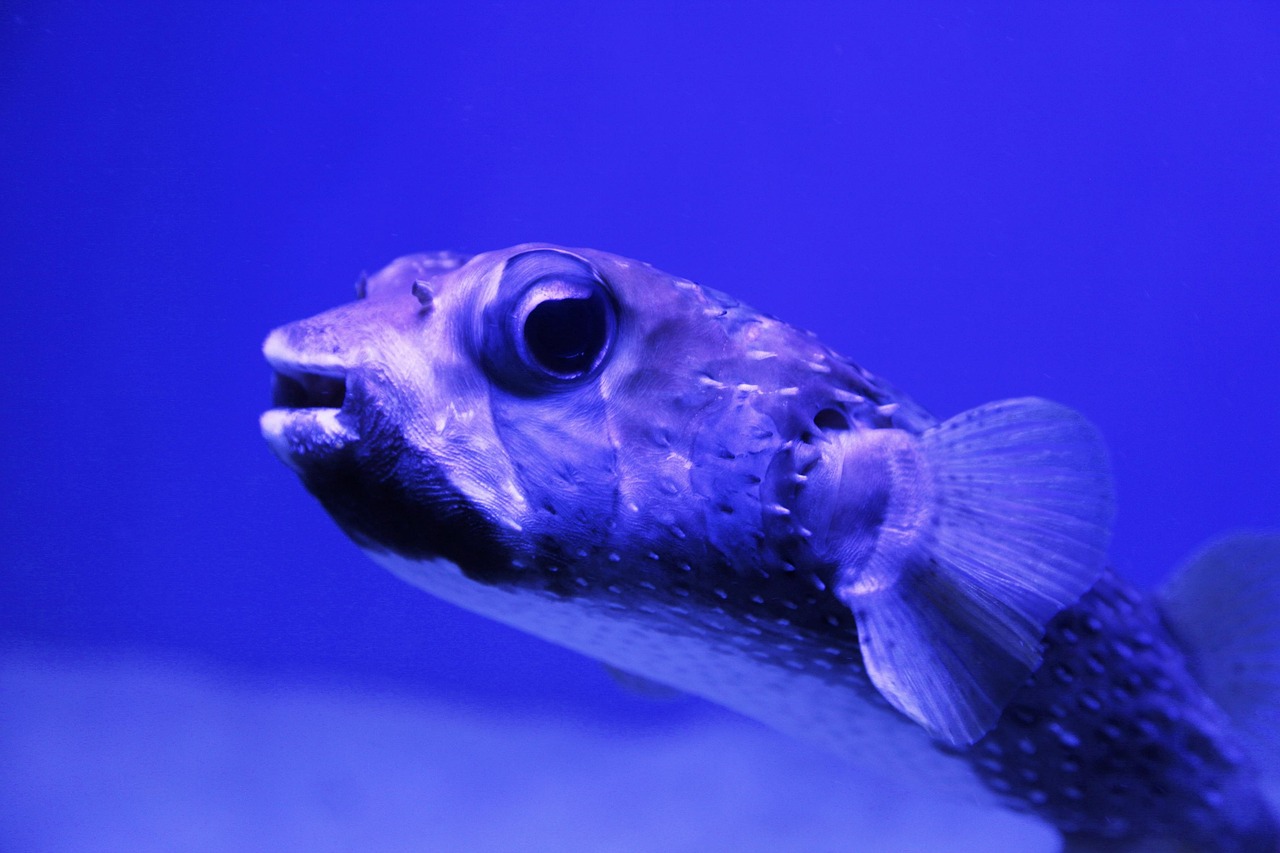
Green spotted puffers are sold as freshwater fish across Asia and die slowly as a result. The species is brackish as a juvenile and fully marine as an adult — a biological fact most retailers either do not know or deliberately gloss over. This green spotted puffer complete care guide from Gensou Aquascaping at 5 Everton Park covers Dichotomyctere nigroviridis properly: the salinity transition schedule, correct diet, tank progression from juvenile brackish to adult marine, and how to avoid the slow decline that kills most hobby-kept specimens. This guide sits inside our broader Tropical Fish Species Master Index reference.
Species Identification and Life Cycle
Adults reach 12-15cm and display leopard-like green-to-black spotting on a bright yellow-green body. Juveniles look nearly identical. They are often confused with the ceylon puffer (Dichotomyctere fluviatilis), which needs similar salinity, and the figure-8 puffer (Dichotomyctere ocellatus), which stays low-brackish for life. The life cycle moves from brackish estuaries as juveniles into fully marine coastal waters as adults — a migration pattern you must replicate in captivity.
Salinity by Life Stage
Juveniles at 3-5cm need specific gravity 1.008-1.012. Sub-adults at 7-10cm rise to 1.012-1.018. Adults above 10cm require 1.018-1.023 — effectively marine reef salinity. Raise specific gravity by 0.001-0.002 monthly via water changes with saltier replacement water. Measure with a calibrated refractometer; hydrometers drift inaccurately within months in humid Singapore conditions. Source marine salt from the water care range.
Tank Size Progression
A juvenile needs 100 litres minimum; an adult demands 200-300 litres. Plan for the adult tank from the start — upsizing mid-life stresses the fish and wastes equipment investment. A 120cm x 50cm footprint accommodates the adult swimming pattern and allows a single puffer with perhaps a knight goby as tank mate. Multiple GSPs in one tank is feasible only above 400 litres with careful sex-ratio management. Browse the tanks and cabinets range for appropriate footprints.
Water Parameters Beyond Salinity
Target 24-28°C, pH 7.8-8.3, KH 8-15. Ammonia and nitrite must read zero; nitrate under 20 ppm. The pH and hardness requirements mean aragonite substrate or crushed coral buffer is essential — fine sand alone will not hold alkalinity at saltwater levels. Weekly 25% water changes with pre-mixed saltwater (aged 24 hours for gas-off and salinity equilibration) are non-negotiable.
Diet and Beak Maintenance
GSP beaks grow continuously and must be worn down with hard-shelled prey. Live snails (ramshorn, Malaysian trumpet, marine turbo as adults), crayfish tails, mussel on the half-shell, shrimp-in-shell and occasional live ghost shrimp form the core diet. Supplement with frozen mysis, krill and silversides for variety. Avoid soft foods like bloodworm as a dietary mainstay — they provide nutrition but no beak wear. Culture feeder snails in a separate 20-litre tank to keep up with demand.
Tank Mates — Reality Check
No tank mates are truly safe with an adult GSP. Knight gobies (Stigmatogobius sadanundio) and bumblebee gobies (Brachygobius doriae) cohabit with juveniles in low-brackish conditions but need rehoming as the puffer grows. Archer fish and monos tolerate the salinity range but eventually fall victim to nipping. Plan for a species-only tank long-term. Stock feeder livestock through the livestock section rather than housing permanent tank mates.
Filtration for Heavy Bioload
GSP waste is exceptional — meaty diets and scaleless bodies produce concentrated ammonia. Oversize filtration at 200% turnover per hour. A canister plus sponge prefilter, supplemented by a protein skimmer once salinity exceeds 1.015, handles the load. At adult marine salinity, add live rock for biological filtration as you would in a reef setup. Budget SGD 300-500 for the filtration chain that sees a juvenile through to adulthood.
Singapore Sourcing and Pricing
GSP juveniles appear at Petopia, C328 Clementi, Polyart and Y618 at SGD 12-20 for 3-4cm specimens. Most are wild-caught from Thailand or Indonesia and arrive stressed and underfed. Inspect for clear eyes, active behaviour, rounded (not sunken) belly, and intact fins. Quarantine for 21 days at the juvenile specific gravity of 1.008 with praziquantel-treated food to clear internal parasites. Avoid buying during monsoon shipping delays when import stress spikes.
Common Problems and Solutions
Slow decline over 12-24 months in pure freshwater is the classic GSP outcome — kidney and organ failure from incorrect osmotic balance. Overgrown beaks require anaesthesia (clove oil) and careful trimming with cuticle scissors — a vet-level procedure many keepers botch. Ich is rare once salinity exceeds 1.012. Skin fungus and bacterial infections respond to higher salinity itself rather than copper-based medications, which GSPs do not tolerate.
Related Reading



