
Head and Tail Light Tetra Care Guide: Copper Glow at Both Ends
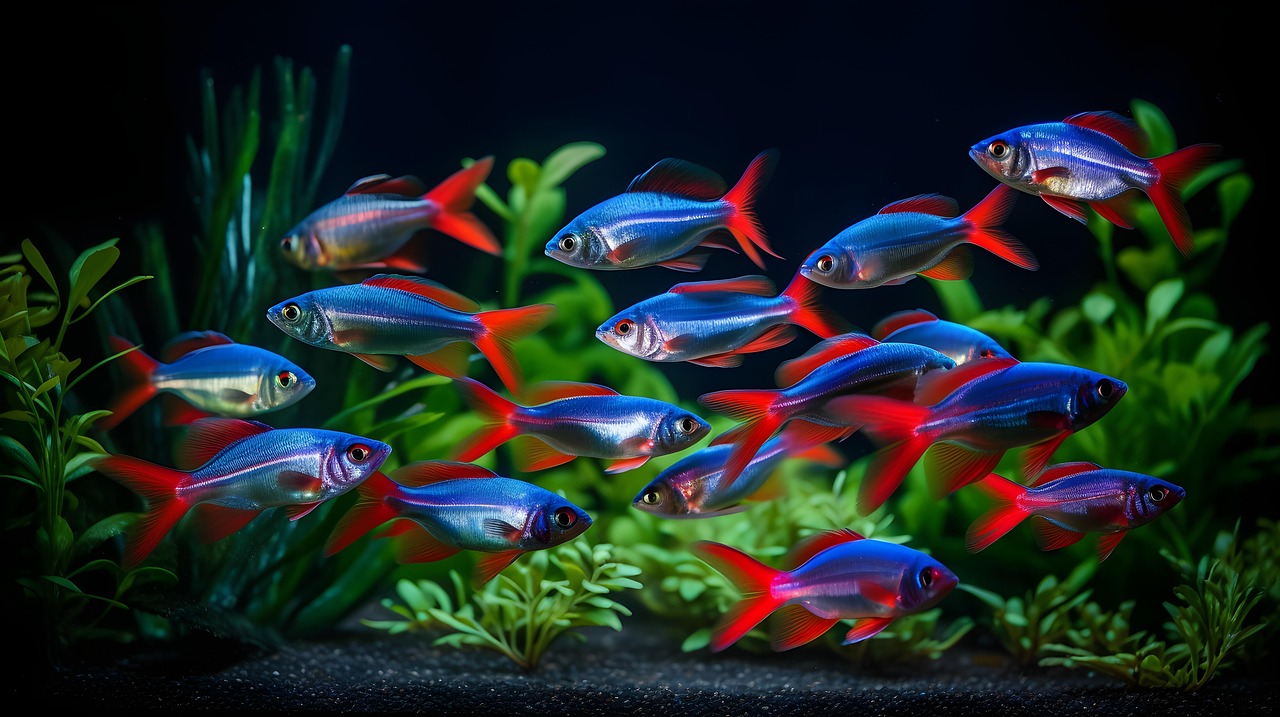
This head tail light tetra care guide explores a classic yet often overlooked schooling fish that brings a distinctive warm glow to any planted aquarium. The head and tail light tetra (Hemigrammus ocellifer) features copper-orange reflective spots near the base of its tail and behind the gill cover, creating the appearance of tiny headlights and tail lights on a silvery body. At Gensou Aquascaping at 5 Everton Park, we appreciate this species for its understated elegance and ease of care.
Species Overview
The head and tail light tetra is native to the Amazon River basin, particularly the tributaries and slow-moving waters of Brazil and Guyana. It was one of the earliest tropical fish imported into the hobby and remains widely available, though it is often passed over in favour of flashier species. Adults reach approximately 4 to 5 centimetres, making them a compact and manageable size for most community setups. Their reflective spots, which appear to glow under aquarium lighting, give this otherwise modest fish a unique visual appeal.
Tank Requirements
A school of eight to ten head and tail light tetras can be comfortably housed in a tank of 60 litres or more. They are peaceful mid-water swimmers that benefit from a well-planted environment with open swimming areas. Combine background plants such as Vallisneria or Hygrophila with midground clusters of Cryptocoryne, leaving the front open for the school to move freely. A dark substrate and subdued lighting bring out the copper reflections most effectively, creating a striking contrast against the green backdrop of a planted tank.
Water Parameters for Singapore
Head and tail light tetras are remarkably adaptable and tolerate a wide range of conditions. They thrive at a pH of 6.0 to 7.8, a temperature of 24 to 28 degrees Celsius, and a GH of 3 to 15 dGH. Singapore’s treated tap water falls comfortably within these ranges, requiring no special adjustments beyond standard dechlorination. Weekly water changes of 20 to 25 per cent are sufficient to maintain good water quality. Their tolerance of varied parameters makes them particularly forgiving for beginners.
Diet and Feeding
These tetras are omnivorous and accept most standard aquarium foods without fuss. Offer a base diet of quality tropical flakes or micro pellets, supplemented regularly with frozen daphnia, brine shrimp or bloodworms. They also pick at algae and biofilm on plant surfaces and hardscape. Feed once or twice daily in modest portions. A varied diet helps maintain the intensity of their reflective copper spots, which can fade if nutrition is consistently poor.
Temperament and Schooling Behaviour
Head and tail light tetras are gentle, non-aggressive fish that display their best behaviour in groups of eight or more. In a proper school, they swim in loose formation through the mid-water column, their copper spots catching the light in unison for a captivating effect. Kept in smaller numbers, they tend to become shy and spend most of their time hiding. Their peaceful disposition makes them compatible with virtually any community fish of similar size, including other tetras, rasboras, corydoras, otocinclus and small gouramis.
Health and Lifespan
With proper care, head and tail light tetras live for three to five years. They are hardy fish that rarely succumb to disease when water quality is maintained. The most common issues are ich and fin rot, typically triggered by stress from poor conditions, sudden parameter changes or aggressive tankmates. Quarantine new fish before adding them to an established tank. Their robustness and low maintenance requirements make them one of the most trouble-free tetras available in the hobby.
Breeding
Breeding head and tail light tetras follows the standard egg-scattering method common to many small characins. Condition a pair with high-protein foods for a week, then place them in a dimly lit breeding tank with fine-leaved plants or spawning mops. The female scatters up to 300 eggs, which hatch in approximately 24 hours. Remove the adults after spawning to prevent egg predation. Fry are tiny and require infusoria for the first few days before transitioning to baby brine shrimp.
An Underrated Gem
The head and tail light tetra deserves far more attention than it typically receives. Its copper glow, peaceful nature and undemanding care requirements make it an ideal candidate for planted community tanks of all sizes. A large school in a well-aquascaped setup produces a display that is both elegant and effortless. Stop by Gensou Aquascaping to see this charming species and add a school to your community.
Related Reading



