
Hillstream Loach Advanced Care Guide: Species and Flow
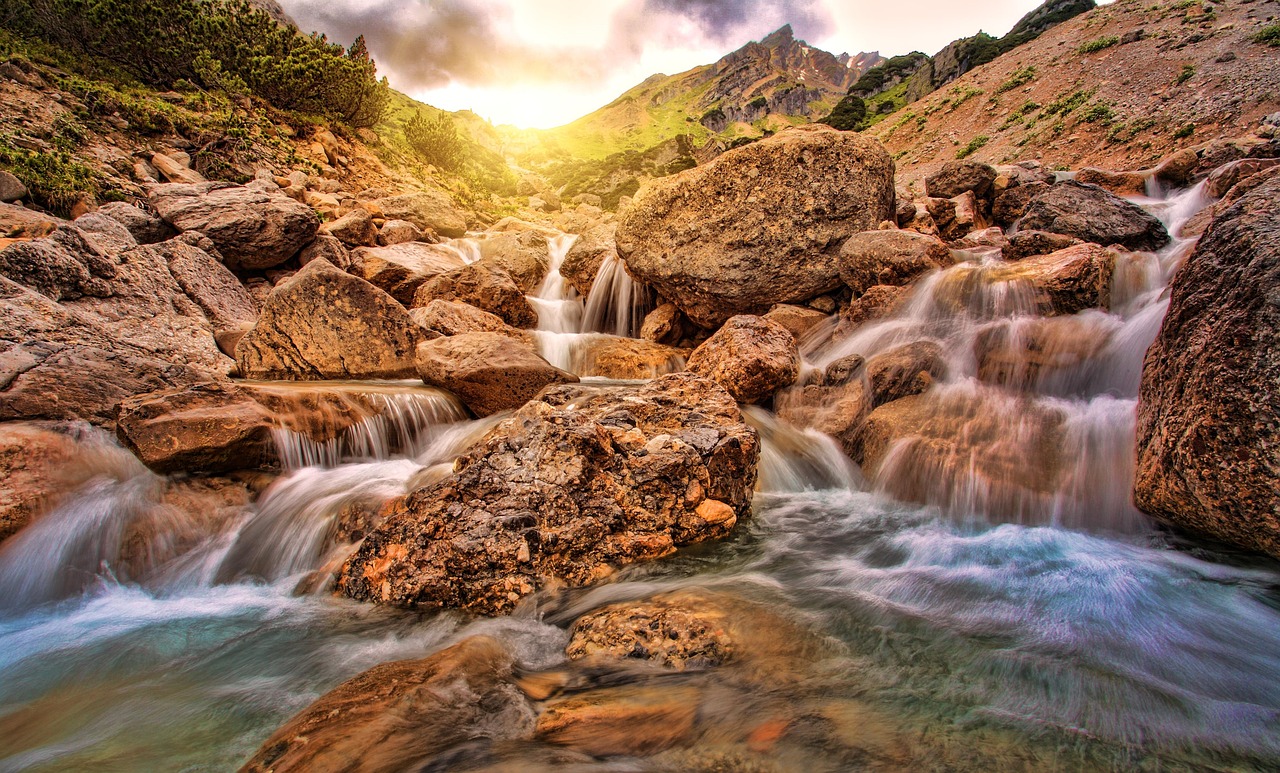
Hillstream loaches live where most aquarium fish would suffocate — in torrent streams where oxygen saturation approaches 100 per cent and current runs at 30-50cm per second. This hillstream loach advanced care guide moves past the basics into species-level identification and the flow engineering required to keep them long-term in Singapore flats. Gensou Aquascaping has maintained Sewellia lineolata and Beaufortia kweichowensis groups in Everton Park for years, and the tanks look nothing like a standard community.
Identifying What You Actually Have
“Hillstream loach” covers at least a dozen commonly imported species across three genera. Sewellia lineolata shows horizontal stripes and is the most gregarious. Beaufortia kweichowensis is the flat-faced “butterfly” hillstream. Gastromyzon species from Borneo are rounder with smaller mouths. Each has slightly different flow and temperature tolerances, so species ID matters.
The Flow Myth Examined
Hillstream loaches do not need the entire tank to be a river. They need a zone of laminar, oxygen-rich flow where they feed and rest, and calmer refuges for digestion. A properly designed biotope uses a powerhead rated at 10-15x tank turnover directed lengthways, with rockwork breaking the return path into slower pockets.
Oxygen, Not Just Current
High flow alone is not enough — dissolved oxygen matters more. An air stone, a surface-skimming overflow, or a spray bar aimed at the water surface all raise O2 saturation. In 28°C Singapore tanks, oxygen capacity is already 15 per cent lower than in cooler water, so aeration becomes critical rather than optional.
Temperature and the Chiller Question
Sewellia tolerates 22-26°C but breeds best around 22-24°C. Beaufortia prefers 20-24°C. In HDB flats without aircon, a fan skimmer over the sump pulls temperatures down 2-3°C through evaporation, which is usually enough. For serious keepers targeting breeding, a 1/10 HP chiller is the only reliable solution.
Substrate and Hardscape
Smooth river stones in mixed sizes — 3-15cm — form the core scape. Avoid sharp rocks that damage the suction disc formed by the pectoral and pelvic fins. Leave broad upper surfaces exposed because biofilm grows there under the light, and that biofilm is their primary food. Our hillstream river tank aquascape article shows several layout patterns.
Feeding the Biofilm Grazer
They rasp aufwuchs — a mix of diatoms, green algae, and bacterial film. Supplement with sinking algae wafers, blanched courgette, and frozen bloodworm. They ignore floating food entirely. In new tanks with little biofilm, pre-culture some smooth river stones in a bucket in sunlight for two weeks, then rotate them into the display.
Group Size and Social Behaviour
Keep Sewellia in groups of six or more. They develop a visible pecking order, with dominant individuals claiming the strongest flow zone. Beaufortia is more solitary and does fine in pairs or trios. Mixed-species groups of non-competing hillstreams work, but only in tanks of 120 litres and above.
Water Chemistry Specifics
pH 6.8-7.8, GH 4-12, KH 3-8, nitrate under 15 ppm. They are less fussy about hardness than temperature and oxygen. Singapore tap water needs only dechlorination and a modest remineralisation dose for Sewellia. Weekly 30-40 per cent changes are mandatory because high flow also means high metabolic output in well-fed tanks.
Breeding in Captivity
Sewellia breeds in well-established tanks with minimal intervention. Fry emerge from rock crevices at 5-8mm and graze biofilm from day one. Avoid heavy vacuuming for six weeks after spotting eggs. Commercial breeding in Singapore is rare, so successful hobby breeders have a ready market on Carousell at $8-15 per juvenile.
Disease Patterns
Hillstream loaches are sensitive to most medications, especially those with copper or formalin. Ich in hillstreams is better treated with gradual cooling combined with extra aeration than with pharmaceuticals. Watch for sunken bellies — a chronic hunger sign that means biofilm supply is inadequate.
Tank Mates
Pair them with fast-water companions: White Cloud Mountain minnows, Danio choprai, small barbs, and hillstream shrimp species. Avoid slow, warm-water species like gouramis and angelfish — the environment stresses them even if the loaches ignore them.
Related Reading



