
Holacanthus Passer Angelfish Care: Large Marine Angel
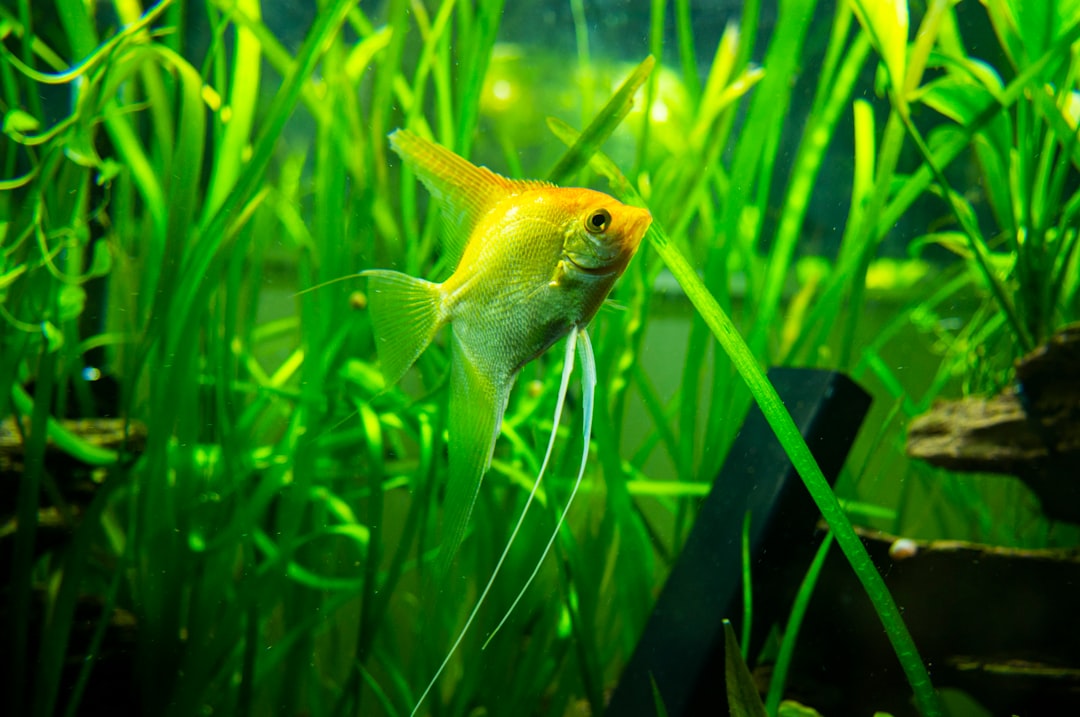
The passer angelfish is one of the few large Pacific Holacanthus species kept in the hobby and a dramatic centrepiece fish for fish-only-with-live-rock installations. This holacanthus passer angelfish care guide from Gensou Aquascaping at 5 Everton Park walks through the substantial tank requirements, the mandatory sponge-inclusive diet, and the temperament issues that make this species unsuitable for small reefs or timid tank mates. Holacanthus passer is a fish for experienced reefkeepers with dedicated 8ft systems.
Quick Facts
- Scientific name: Holacanthus passer
- Adult size: 35cm
- Minimum tank: 750 litres (200 gallons), 8ft length
- Origin: Eastern Pacific, Gulf of California to Ecuador
- Temperament: aggressive, dominant in most communities
- Reef safe: no, nips SPS, LPS, soft corals and clams
- Lifespan: 20 years plus
Cold Water Origin
Unlike most tropical angels from the Indo-Pacific, passer angels come from the cooler Eastern Pacific. Natural temperatures in the Gulf of California range 22-25 degrees C. This matters in Singapore because an unchilled tank running 28-30 degrees C accelerates metabolism and shortens lifespan significantly.
A proper chiller maintaining 24-25 degrees C is the baseline for this species. Skipping it turns a 20-year fish into a 4-5 year fish with stress-related colour fade along the way.
Tank Size Requirements
An 8ft 750 litre tank is the starting point for long-term adult housing. The species grows to 35cm and patrols constantly. A 6ft tank causes chronic fin erosion and stress-related disease within two years of purchase.
Complex rockwork with large caves and overhangs supports the fish’s natural territorial behaviour. Aquascape heavily on the ends with a clear swimming runway down the centre third of the tank.
Sponge in the Diet
Large Holacanthus angels are obligate sponge feeders in the wild. Captive diets lacking sponge content lead rapidly to internal organ degeneration and early death. This is not optional.
Feed three to four times daily with angel-specific preparations: Ocean Nutrition Angel Formula, LRS Reef Frenzy (contains sponge), Rod’s Food Original, and a sponge-based frozen such as Sally’s Angel Mix where available. Supplement with mysis, nori and herbivore pellet but keep sponge content as the largest single component.
Reef Compatibility
Not reef safe. Passer angels eat soft corals, polyps, LPS, clam mantles and will occasionally nip SPS frags. A fish-only-with-live-rock (FOWLR) setup or a carefully chosen tough-coral reef is the realistic home. Leather corals and some large-polyp stony corals may survive, but expect losses.
If you want an angel for a reef, choose a dwarf angel or a regal angel, not a passer. This species belongs in a FOWLR display.
Temperament and Tank Mates
Dominant and often aggressive. Passer angels bully smaller fish and establish the central territory of the tank within days of introduction. Good tank mates are fish of similar size and confidence: large tangs, triggers (blue throat, niger), puffers (some species), large wrasses, butterflyfish and groupers.
Avoid smaller or timid species. Firefish, small gobies, dwarf angels and peaceful wrasses will be harassed relentlessly. Introduce the passer last, not first, to give other fish time to establish.
Water Parameters
Temperature 24-25 degrees C strictly, salinity 1.024-1.025, alkalinity 8-9 dKH, pH 8.1-8.3. Nitrate below 15 ppm, phosphate below 0.1 ppm. The species tolerates slightly higher nutrients than reef species but shows HLLE at chronic elevations.
Large-bodied fish produce substantial waste. A 750 litre tank with a single adult passer plus community tank mates needs a sump of 200-300 litres and a skimmer rated for double display volume.
Quarantine and Disease
30-day copper treatment at 1.5-2.0 ppm in quarantine. Large Holacanthus tolerate copper at the lower therapeutic range but not at tang levels. Combine with a 7-day metronidazole course for internal parasites common in wild stock.
Watch for HLLE over months, treatment is improved diet, stable parameters and vitamin supplementation. Once established, adult passers are generally robust fish that rarely contract opportunistic disease.
Juvenile vs Adult Appearance
Juveniles show bold blue bands on an orange-red body, similar in pattern to juvenile king angels (H. passer close relatives). Adults lose the banding and develop the iconic white vertical stripe on the flank, a yellow caudal, and blue-tipped dorsal and anal fins. The transformation takes place between 10cm and 18cm body length.
Buy juveniles of 8-12cm for best acclimation and longest captive life. Adults above 25cm rarely settle well in home tanks.
Sourcing in Singapore
Passer angels are uncommon imports and usually special-order items. Expect 400-900 SGD depending on size. Iwarna Aquafarm and Aquarium Artist handle requests, typically via US or Mexican export handlers. Budget 3-6 weeks for arrival from order.
Ask for video of the fish eating sponge-based food before committing. This species refuses captive diets more often than Indo-Pacific angels and a fish that will not eat sponge in the shop is unlikely to start at home.
Related Reading
Coral Beauty Angelfish Care
Flame Angelfish Care
How to Quarantine Marine Fish
Reef Tank vs Fish Only
Marine Aquarium Equipment Checklist



