How to Aquascape an Open-Top Rimless Tank: Emersed Growth and Light
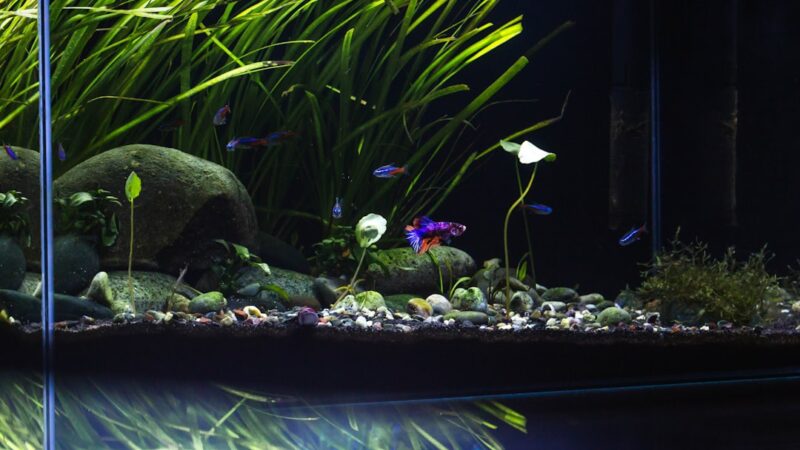
Open-top rimless tanks represent modern aquascaping at its cleanest — no plastic rim, no hood, just a crystal-clear glass box where plants grow above the waterline and pendant lights hang from above. This aquascape open top rimless tank guide from Gensou Aquascaping in Singapore covers the design principles, practical challenges and plant choices that make these setups work beautifully in tropical homes.
The Appeal of Rimless Open-Top Design
Removing the rim and lid eliminates visual distractions. You see the aquascape edge to edge, with plants breaking the surface and transitioning into emersed growth. This vertical dimension — the space between water surface and overhead light — is unique to open-top tanks and adds a layer of depth that closed systems cannot achieve. It is no coincidence that nearly every competition aquascape is photographed open-top.
Choosing the Right Tank
Ultra-clear (low-iron) glass is worth the premium for rimless tanks. Standard glass has a green tint visible from the edges; ultra-clear glass is almost invisible, enhancing the floating-aquascape effect. Brands like ADA, ONF and Do!Aqua offer premium rimless options, while budget-friendly alternatives from ISTA and Dymax cost significantly less. A 60 x 30 x 36 cm ultra-clear rimless tank runs $80-$150 in Singapore depending on brand and glass thickness.
Glass thickness matters more without a rim providing structural support. For tanks up to 60 cm long, 6 mm glass is standard. Tanks of 90 cm and above should use 8-10 mm glass to resist lateral water pressure safely.
Lighting: Pendant and Hanging Systems
Open-top tanks pair naturally with pendant lights suspended 20-30 cm above the water surface. This height creates a natural shimmer effect as surface ripples refract the light into dancing patterns on the substrate — the iconic “glitter line” effect. Brands like Chihiros (WRGB II), ONF (Flat Nano) and Twinstar offer popular pendant options in the $100-$300 range.
Mount the light from a ceiling hook, wall bracket or a dedicated aquarium light stand. Adjustable wire hangers let you raise or lower the pendant to fine-tune light intensity without changing the fixture output. Higher mounting spreads light more evenly but reduces PAR; lower mounting concentrates light but can create hot spots.
Emersed Growth Opportunities
Plants that grow above the waterline transform an open-top tank into a living sculpture. Excellent emersed candidates include Hygrophila pinnatifida (develops beautiful oak-leaf foliage above water), Staurogyne repens, Rotala species and Ludwigia palustris. Epiphytes like Anubias and Bucephalandra attached to driftwood that protrudes above the waterline develop thicker, waxier leaves in emersed form.
Singapore’s ambient humidity of 70-85 % is ideal for emersed growth — plants transition from submerged to emersed form more readily than in dry climates. Position the tallest hardscape pieces to break the water surface and serve as platforms for emersed planting.
Managing Evaporation
Open-top tanks lose water to evaporation significantly faster than covered tanks. In air-conditioned Singaporean rooms at 24-25 °C, expect to lose 1-2 litres per day from a 60 cm tank. Without aircon, losses increase further. This concentrates minerals and raises TDS over time. Top up daily with pure RO or distilled water — not tap water, which adds minerals with each top-up and gradually hardens the water.
An auto top-off (ATO) system using a float valve and reservoir eliminates manual daily top-ups. Simple ATO setups cost $30-$50 on Shopee and are well worth the convenience for open-top tanks.
Jump Prevention Without a Lid
Certain fish species are notorious jumpers — hatchetfish, killifish and some rasbora species will launch themselves out of open tanks when startled. Choose non-jumping species or install a nearly invisible mesh cover. Alternatively, lower the water level 5-8 cm below the rim — most fish will not clear this gap under normal conditions. Floating plants along the perimeter also deter jumping by reducing the visible open water surface from the fish’s perspective.
Aquascaping Composition Tips
Design the layout considering the viewing angle from slightly above, not just the front. Open-top tanks are often viewed from standing height, so the substrate surface and plant canopy tops are more visible than in hooded tanks. Create interesting textures at the substrate level — contrasting sand paths against planted zones, visible stone formations and carpet plant patterns all benefit from the overhead viewing angle.
Extend hardscape above the waterline deliberately. A piece of driftwood rising 10-15 cm above the surface, draped with emersed Bucephalandra and terrestrial moss, creates a dramatic vertical accent that defines the open-top aesthetic.
Worth the Extra Effort
Open-top rimless tanks demand more attention than covered setups — daily top-ups, careful species selection and considered lighting placement. But the visual payoff is unmatched. The seamless glass, emersed plant growth and dancing light shimmer create a display that transcends the typical aquarium and enters the realm of living interior design. For Singaporean hobbyists ready to elevate their aquascaping, going rimless and open-top is the natural next step.
Related Reading