How to Aquascape a Rimless Cube Tank From Scratch
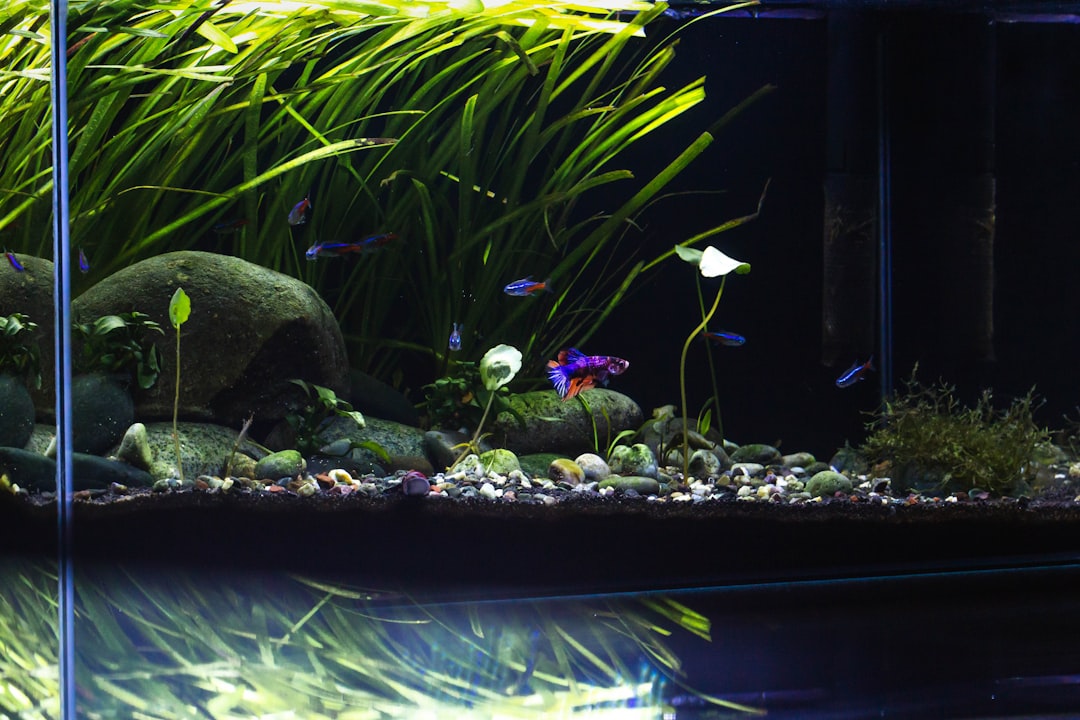
The rimless cube tank is simultaneously the most forgiving and the most unforgiving canvas in aquascaping. Its equal dimensions — typically 30×30×30 cm or 45×45×45 cm — remove the bias of a horizontal rectangle and force the designer to think in three dimensions equally. Getting an aquascape for a rimless cube tank right means choosing a compositional style that works with the cube’s proportions rather than fighting them. At Gensou Aquascaping in Everton Park, Singapore, we recommend cube tanks to hobbyists who want a high-impact display in a minimal footprint — ideal for Singapore’s HDB and condo living spaces where bench or shelf space is limited.
Choosing the Right Compositional Style
Three styles suit the cube format well. The island composition — a central mound of hardscape and foreground plant rising from a flat substrate — uses the cube’s depth to create a three-dimensional focal point visible from multiple angles. The diagonal composition places the hardscape group offset from centre, with a slope of substrate creating depth from front-left to back-right (or the mirror). The vertical composition emphasises height — a tall piece of driftwood or a cluster of vertical stones rising towards the surface suits the cube’s equal height-to-width ratio in a way it would look odd in a wide shallow tank. Avoid the standard island-left, open-right layout familiar from rectangular tanks; in a cube it reads as compositionally imbalanced.
Substrate Depth and Slope
A cube tank’s depth-to-height ratio means substrate slope has an outsized visual effect. Build up the back area to 8–10 cm of aquasoil and taper towards the front to 4–5 cm. This slope adds apparent depth and prevents the flat-bottomed look that makes cube tanks seem like small fish boxes. Use a nutrient-rich aquasoil like ADA Amazonia, Tropica Aquarium Soil, or Seachem Flourite Black as the lower layer, topped with a finer-grained capping layer in the foreground if you plan to grow a carpet. Initial ammonia spikes from new aquasoil are normal — cycle the tank for three to four weeks before adding fish, or use fast-growing stem plants to absorb the initial ammonia load.
Hardscape Selection for a 30–45 cm Cube
Scale is critical in cube tanks — large rocks that would be appropriate statement pieces in a 90 cm tank overwhelm a 30 cm cube. Choose hardscape pieces where the largest element is no more than 40–50% of the tank’s internal height. For a 30 cm cube with 27 cm internal height, your largest stone or wood piece should be no taller than 12–13 cm. Dragon Stone (Ohko stone) is popular for cubes because it’s available in small, intricate pieces with excellent texture detail. Seiryu stone works well for minimalist compositions. For wood, small pieces of spider wood with delicate branching suit the fine-detailed aesthetic of cube aquascaping.
Plant Selection for Small Spaces
Slow-growing, compact plants are essential in a cube tank — fast growers become unmanageable within weeks and require trimming so frequent it disrupts the scape. For foreground carpets, Hemianthus callitrichoides (HC Cuba) or Marsilea hirsuta are reliable slow-growing choices. Midground plants like Anubias nana “Petite”, Bucephalandra varieties, and Cryptocoryne parva stay compact for months without intervention. As a background or accent plant, a slow-growing moss like Taxiphyllum barbieri (Java moss) or Vesicularia ferriei (weeping moss) attached to hardscape adds texture without growth management demands.
Lighting a Cube Tank
Cube tanks need overhead lighting — clip-on lights are awkward and create uneven illumination. A small pendant light or a gooseneck arm light positioned directly above the tank works best. For a 30 cm cube, the Chihiros A-Series or Twinstar 300E provide appropriate PAR at 20–25 cm hanging height. For a 45 cm cube, step up to the Twinstar 450E or Chihiros WRGB II 45. A photoperiod of eight hours is sufficient; the compact water volume in a cube heats faster than in a large tank under intense light, so avoid running high-powered lights for extended periods without monitoring temperature. Singapore’s ambient temperature of 28–30°C means a small fan blowing across the surface often handles temperature control for rimless cube tanks without requiring a chiller.
Filtration Without Overpowering the Tank
Flow management in a small cube tank is delicate. A full-size canister filter creates enough flow to topple lightweight plants and disturb substrate. The Eheim Classic 150, JBL CristalProfi e402, or a quality nano canister like the Oase BioPlus 45 are appropriately sized for 30–45 cm cubes. A glass lily pipe intake and output positioned at opposite ends of the tank creates gentle circulatory flow without directional blasting. Alternatively, a sponge filter powered by a small air pump is silent, safe for shrimp and fry, and easy to clean — appropriate for a low-tech cube tank without CO2 injection.
Step-by-Step Setup Sequence
- Rinse tank with plain water only (no soap)
- Add base substrate layer (optional: root tabs for root-feeding plants)
- Place aquasoil, building slope from back to front
- Position hardscape — adjust until satisfied with the dry layout
- Pre-wet substrate slowly; avoid disturbing the slope
- Fill partially, plant foreground and midground species
- Fill to the rim, install filter, lighting, and CO2 if used
- Cycle for 3–4 weeks before adding fish or shrimp
Cube tanks reward patience during the setup phase — the confined dimensions mean every placement decision is visible and permanent-feeling. Take time at the dry-layout stage before adding any water.
Related Reading