
How to Breed Endler Livebearers: Keeping Pure N-Class Strains
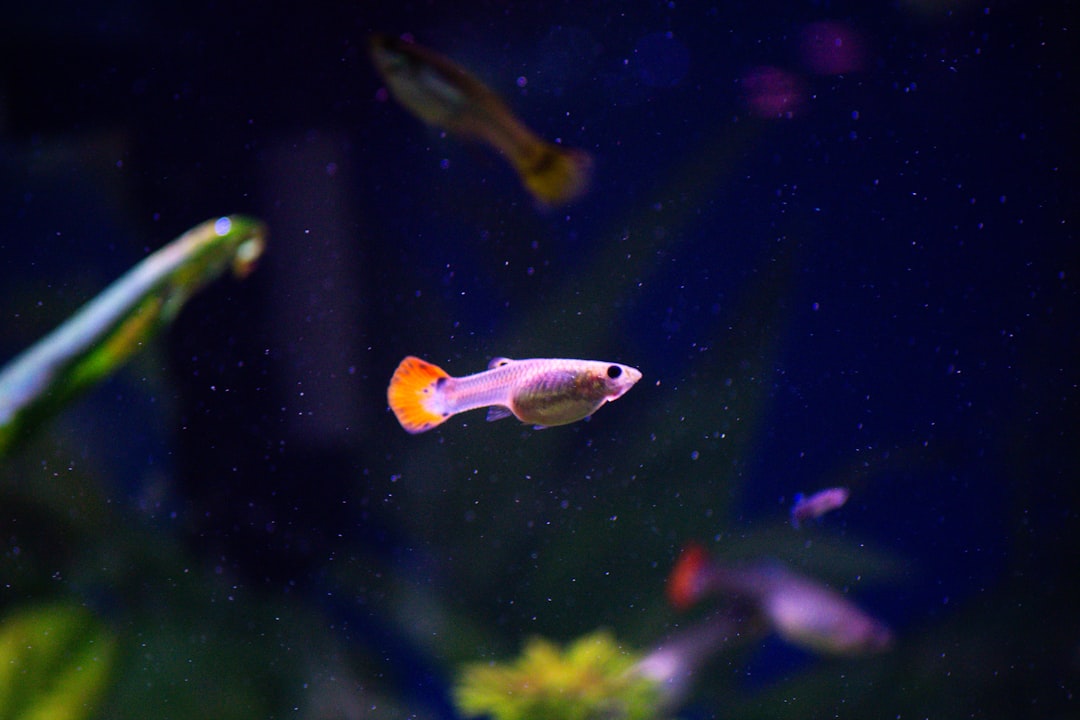
Endler’s livebearer (Poecilia wingei) is a tiny, brilliantly coloured fish that breeds readily in home aquariums, but keeping genetically pure N-class strains requires deliberate management. Understanding how to breed Endler livebearer populations while maintaining strain integrity is both a conservation effort and a rewarding hobby project. At Gensou Aquascaping, 5 Everton Park, Singapore, we value genetic authenticity and have maintained pure Endler lines for years in our warm, soft local water.
N-Class, P-Class and K-Class Explained
The Endler classification system distinguishes between three classes. N-class fish are documented pure wild-type Endlers with verified provenance tracing back to the original Cumana region of Venezuela. P-class fish appear to be pure Endlers but lack documentation. K-class are known hybrids with common guppies (Poecilia reticulata). For serious breeders, only N-class fish carry genuine conservation value. Maintaining their genetic purity means strict isolation from all guppies and unverified Endlers. This distinction matters because P. wingei and P. reticulata hybridise freely.
Colony Setup for Pure Strains
House each strain in its own dedicated tank with absolutely no possibility of cross-contamination. A 30-40 litre tank supports a breeding colony of 8-12 fish comfortably. Use a sponge filter, fine gravel or sand substrate, and dense planting with java moss, Ceratophyllum, or Najas to provide fry shelter. Endlers tolerate a wide range of parameters but breed most prolifically at pH 7.0-7.5, GH 8-15, and temperature of 24-28 degrees Celsius. Singapore’s ambient warmth keeps tanks in the ideal range without a heater, though a small fan helps prevent temperatures from exceeding 30 degrees Celsius during hot spells.
Selecting Breeding Stock
Choose males displaying the characteristic colour pattern of your target strain. Common N-class strains include the Black Bar, Tiger, Peacock, and Lime Green, each with a distinct and recognisable male colour pattern. Females of all strains look similar: silvery-grey with a slight golden sheen. Select females from verified N-class sources, as a single hybrid female can contaminate your entire colony with guppy genetics within one generation. Purchase from trusted breeders who provide strain documentation. Expect to pay $5-10 SGD per pair for common strains and $15-25 SGD for rarer varieties in Singapore.
Breeding and Fry Production
Endlers are prolific livebearers. Females reach sexual maturity at around eight weeks and produce broods of 5-25 fry every 23-28 days. Gestation is visible as a darkening gravid spot near the anal fin. Unlike many livebearers, Endler females rarely cannibalise their fry if the tank has sufficient plant cover. Dense java moss clumps provide excellent hiding spots where newborn fry can shelter and feed on microorganisms. In a well-planted colony tank, fry survival rates exceed 80 percent without any special intervention.
Managing Colony Population
Without management, an Endler colony can quickly overpopulate a small tank. A single pair can produce over 200 offspring in six months. Separate males and females once you reach your desired colony size, or regularly remove young fish for trading. Overcrowding leads to stunted growth, increased aggression among males, and deteriorating water quality. Maintain a maximum of one fish per 2-3 litres as a general guideline. Weekly 20 percent water changes with dechlorinated PUB tap water keep parameters stable in a productive colony.
Culling and Strain Maintenance
Even within a pure strain, individual variation occurs. Remove males that show atypical colour patterns, as these may carry recessive traits that dilute strain consistency over generations. A separate tank for culled fish serves as a community display without compromising the breeding line. Every six to twelve months, introduce one or two unrelated males of the same strain from a different breeder to prevent inbreeding depression, which manifests as reduced brood sizes, spinal deformities, and faded colours.
Feeding for Colour and Health
Endlers are unfussy eaters that accept crushed flake food, micro pellets, and small frozen or live foods. For optimal colour expression, feed a varied diet that includes spirulina flake, daphnia, and baby brine shrimp two to three times daily. Newly born fry can eat powdered flake and micro worms from day one. Avoid overfeeding, as uneaten food in a densely stocked colony tank degrades water quality rapidly. A clean-up crew of a few Neocaridina shrimp helps manage leftover food and algae without threatening fry.
Trading and Conservation
Pure N-class Endler strains hold both hobbyist and conservation value, as wild populations in Venezuela face habitat destruction. By maintaining and distributing verified strains, breeders contribute to an ex-situ genetic safety net. Trade surplus fish through Singapore’s active livebearer community groups on Facebook and Carousell, always labelling the strain name and class accurately. Mislabelling undermines trust and devalues the conservation effort. A well-managed Endler breeding project is low maintenance, takes up minimal space in an HDB flat, and produces a steady supply of beautiful, meaningful fish.
Related Reading



