
How to Do Water Changes in a Shrimp Tank Without Casualties
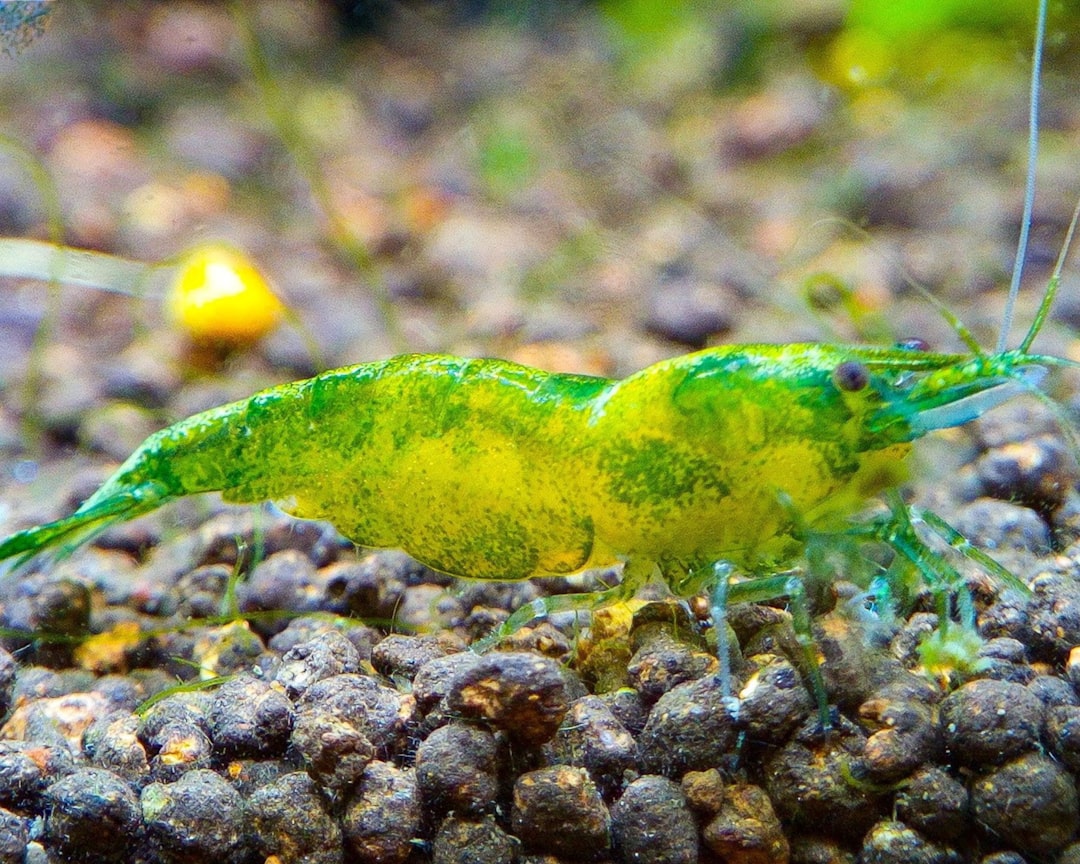
Water changes are essential for any aquarium, but in a shrimp tank they require a fundamentally different approach than what works for fish. Shrimp do not die from clean water — they die from parameter swings. A water change that shifts temperature, TDS or GH even slightly can trigger mass moulting, stress and death within hours.
At Gensou, we have kept and bred shrimp in Singapore’s tropical conditions for over 20 years. The water change protocol we teach our customers has prevented countless losses. This guide explains exactly how to do water changes safely, whether you keep hardy Neocaridina or sensitive Caridina shrimp.
Why Shrimp Die After Water Changes
The most important thing to understand is that shrimp deaths after water changes are almost never caused by the act of removing old water. They are caused by the new water being different from the old water.
Shrimp regulate their internal osmotic pressure based on the water they are in. When the surrounding water suddenly changes in mineral content (TDS, GH), temperature or pH, the shrimp’s body attempts to adjust. This adjustment process is physiologically stressful, and if the change is too large or too sudden, it can be fatal.
The most dangerous consequences of parameter swings include:
- Forced moulting — a sudden drop in GH or TDS can trigger premature moulting. Shrimp that moult before their new shell is fully developed beneath the old one may die from the incomplete moult (the “white ring of death”).
- Osmotic shock — a sudden change in mineral concentration forces water in or out of the shrimp’s cells, damaging tissues.
- Temperature shock — even a 2–3 °C temperature difference can stress shrimp, particularly Caridina species.
- pH crash or spike — rapid pH changes affect gill function and blood chemistry.
How Much Water to Change
The golden rule for shrimp tanks is: smaller and more frequent beats larger and less frequent.
| Tank Type | Recommended Change Volume | Frequency |
|---|---|---|
| Fish tank (for comparison) | 20–30% | Weekly |
| Neocaridina shrimp tank | 10–15% | Weekly |
| Caridina shrimp tank | 10% | Weekly to fortnightly |
| Heavily planted shrimp tank | 10–15% | Weekly to fortnightly |
| New/cycling shrimp tank | 10% | Every 2–3 days (if ammonia detected) |
The smaller the water change, the less the parameters shift, and the less stress on the shrimp. A 10% change in a stable tank barely moves the needle on TDS or GH, while a 30% change with mismatched water can cause a significant swing.
In emergencies (ammonia spike, medication overdose), larger water changes may be necessary. In these cases, match parameters as closely as possible and add the new water very slowly via drip.
Matching Parameters: The Non-Negotiables
Before adding new water to a shrimp tank, you must match these parameters to the existing tank water:
Temperature
Match the temperature of your replacement water to within 1 °C of the tank water. In Singapore, where tap water temperature from PUB is typically around 27–29 °C, this is often close to ambient tank temperature (28–32 °C). Use a thermometer to verify — do not guess. If your tank runs a chiller, you will need to pre-cool your replacement water or add it very slowly to allow the chiller to compensate.
TDS (Total Dissolved Solids)
TDS is the single most important parameter to match for shrimp. Use a TDS meter (inexpensive and widely available in Singapore) to measure both your tank water and your replacement water.
- Neocaridina: typically maintained at 150–250 TDS. Match replacement water within 10–20 TDS of the tank.
- Caridina: typically maintained at 100–150 TDS. Match replacement water within 5–10 TDS of the tank.
For RO water users (common for Caridina in Singapore), pre-mix your replacement water with remineraliser to the target TDS, then let it sit and stabilise for at least an hour before use.
GH (General Hardness)
GH reflects calcium and magnesium levels, which directly affect shell formation and moulting. Match GH within 1 dGH of the tank water. If you use tap water for Neocaridina, test it regularly — PUB’s water quality can vary slightly between seasons and supply zones.
pH
If you are using aquasoil (which buffers pH downward), your tank pH may differ significantly from your tap water pH. Adding high-pH tap water directly to a low-pH aquasoil tank creates a temporary pH swing that stresses shrimp. Pre-adjusting pH is possible but complex; the simpler approach is to add new water via drip so slowly that the tank’s buffering capacity can compensate in real time.
The Drip Method for Adding New Water
The safest way to add new water to a shrimp tank is the drip method. This introduces new water so gradually that parameter changes are imperceptible to the shrimp.
Equipment Needed
- A bucket or container positioned above the tank (on a shelf, table or stool)
- Standard airline tubing (available from any Singapore aquarium shop)
- A control valve or a simple knot in the airline tubing to regulate flow
Procedure
- Prepare your replacement water: dechlorinate, match temperature and TDS.
- Place the water container above the tank.
- Start a siphon through the airline tubing into the tank.
- Adjust the control valve or tighten the knot until water drips in at 2–4 drips per second.
- Let the water drip in over 30–60 minutes for a 10% change.
This may seem slow, but it is the difference between a stress-free water change and a mass die-off. Many experienced shrimp keepers in Singapore consider the drip method non-negotiable for Caridina tanks and strongly advisable for Neocaridina.
Neocaridina vs Caridina: Different Tolerances
Not all shrimp are equally sensitive. Understanding the difference helps you calibrate your approach.
| Factor | Neocaridina (Cherry, etc.) | Caridina (CRS, CBS, Bee, etc.) |
|---|---|---|
| Parameter tolerance | Moderate — handles minor swings | Low — sensitive to small changes |
| TDS range | 150–300 TDS | 100–180 TDS |
| Water type | Tap water (dechlorinated) often fine | RO water + remineraliser recommended |
| Water change volume | 10–15% tolerated well | 10% maximum recommended |
| Drip method | Recommended | Essential |
| Recovery from mistakes | Often survive minor mishaps | Less forgiving; losses more likely |
If you are new to shrimp keeping, start with Neocaridina (Cherry Shrimp). Their greater tolerance for parameter variation gives you a safety margin while you develop your water change routine. For a comprehensive introduction, see our Cherry Shrimp care guide.
Water Change Frequency by Tank Maturity
How often you should change water depends on the tank’s age and biological stability.
New Tanks (0–3 Months)
During the cycling period and the first months of establishing a shrimp colony, the tank’s biological filtration is still maturing. Small, frequent water changes (10% every 2–3 days) help manage ammonia and nitrite while the beneficial bacteria establish. In Singapore’s warm water, cycling completes faster (typically 3–5 weeks), but the tank’s overall stability takes longer to develop.
Maturing Tanks (3–6 Months)
As the tank stabilises, you can reduce to weekly water changes of 10–15%. The biofilm layer on surfaces is developing, plants are established, and the beneficial bacteria population is robust. This is often the sweet spot for shrimp breeding — the tank is clean enough to be healthy but stable enough to be safe.
Mature Tanks (6+ Months)
In a well-established, heavily planted shrimp tank with a balanced bioload, some hobbyists reduce water changes to 10% fortnightly or even monthly. The plants absorb nitrates, the biofilm is well-developed, and the system is largely self-regulating. However, monitor TDS creep — as water evaporates (faster in Singapore’s heat), TDS concentrates. Top up with RO or distilled water between changes to compensate for evaporation, and use actual water changes to export dissolved waste.
Signs You Are Changing Too Much or Too Little
Signs of Excessive or Poorly Matched Water Changes
- Mass moulting within hours of a water change
- Shrimp swimming erratically (“the death dance”)
- “White ring of death” — a white band around the shrimp’s body between head and torso, indicating a failed moult
- Deaths within 24–48 hours of a water change
- Berried females dropping eggs after water changes
Signs of Insufficient Water Changes
- Steadily rising TDS (check weekly)
- Algae growth, particularly green dust algae or hair algae
- Brown biofilm becoming excessive or slimy
- Shrimp colour fading over time
- Reduced breeding activity
- Ammonia or nitrite becoming detectable
The right balance is tank-specific. Use your TDS meter, water tests and observation of shrimp behaviour as your guides.
Singapore-Specific Considerations
Several aspects of keeping shrimp in Singapore affect how you approach water changes:
- Chloramine in PUB water — always dechlorinate. Unlike chlorine, chloramine does not dissipate by standing. Use a quality water conditioner that neutralises both chlorine and chloramine.
- High ambient temperature — our 28–32 °C room temperatures mean faster evaporation, TDS creep, and higher metabolic rates in shrimp (more waste production). You may need to top up with RO water between water changes to maintain stable TDS.
- Tap water variability — Singapore’s tap water parameters can vary slightly depending on whether your area is supplied by reservoir water, NEWater or imported water. Test your tap water periodically rather than assuming it is always the same.
- HDB and condo tank sizes — space constraints in HDB flats often mean smaller tanks (20–50 litres), which are less forgiving of parameter swings. In a 20-litre nano tank, even a 10% water change (2 litres) needs to be parameter-matched precisely.
Frequently Asked Questions
Should I use tap water or RO water for my shrimp tank?
For Neocaridina, Singapore’s dechlorinated tap water is generally suitable. For Caridina, RO water remineralised with a shrimp-specific mineral additive (like SaltyShrimp GH+) gives you precise control over parameters. If you keep Caridina in Singapore, an RO system is a worthwhile investment — small units designed for the hobby are available for S$100–200.
How do I prevent TDS creep between water changes?
In Singapore’s heat, evaporation concentrates minerals and raises TDS. Top up evaporated volume with RO or distilled water (not tap water, which adds minerals and raises TDS further). Only use mineralised water during actual water changes. Many shrimp keepers top up daily or every other day in our climate.
My shrimp always moult right after a water change. Is this normal?
Some moulting after a water change can be normal — the slight parameter shift triggers moulting in shrimp that were already close to their moult cycle. However, if all your shrimp moult simultaneously within hours of a water change, it indicates the parameter shift was too large. Reduce the volume of your changes, match parameters more precisely, and use the drip method to add new water more gradually.
Can I skip water changes entirely in a heavily planted shrimp tank?
Some hobbyists practise very infrequent water changes in mature, heavily planted tanks. While plants do absorb nitrates and the tank can become somewhat self-sustaining, TDS still creeps upward from evaporation and dissolved organic compounds accumulate. We recommend at least a 10% change monthly, even in the most established systems. Regular water changes also allow you to monitor parameters, which is how you catch problems before they become crises.
Get Your Water Change Routine Right
Mastering water changes is the single most important skill for long-term shrimp keeping success. If you are struggling with losses after water changes, or just starting out with your first shrimp colony, visit us at Gensou, 5 Everton Park, Singapore. Our team has over 20 years of hands-on experience breeding shrimp in Singapore’s unique conditions, and we are always happy to help troubleshoot your setup. Contact us any time.
Related Reading



