
How to Deal With Hydra in a Shrimp Tank: Safe Removal
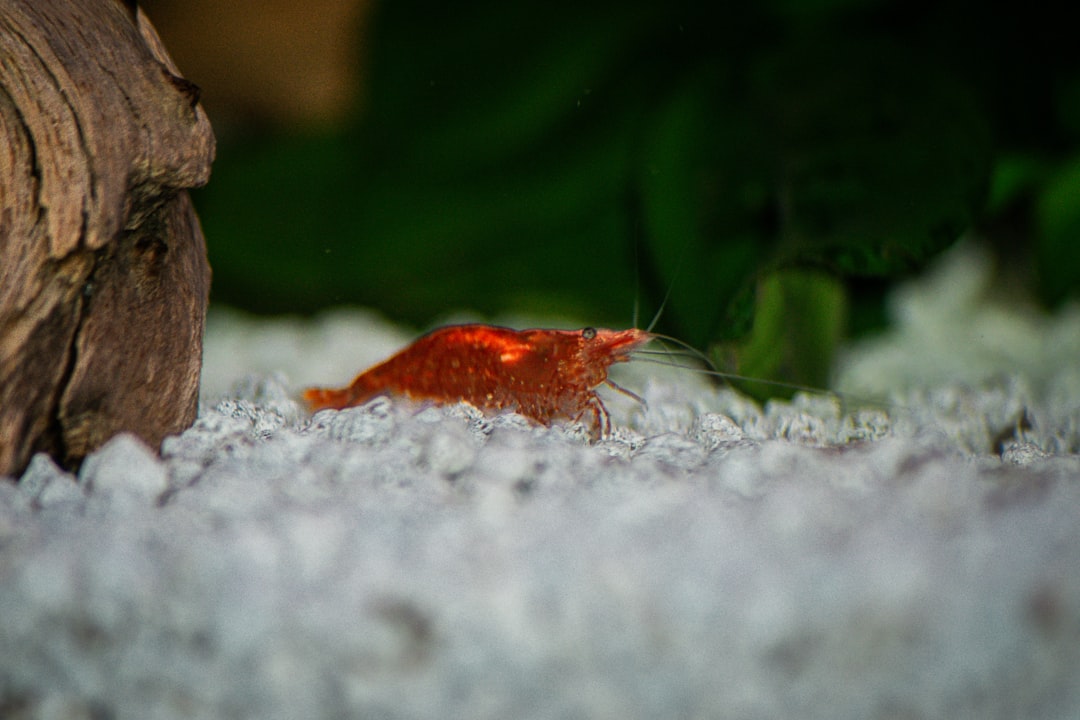
Finding hydra in a shrimp tank triggers immediate concern — and rightly so. These tiny predatory polyps can sting and kill shrimplets, threatening your entire colony. This deal with hydra shrimp tank guide from Gensou Aquascaping Singapore at 5 Everton Park draws on over 20 years of hands-on experience to help you deal with hydra safely and effectively.
What Are Hydra and Why Are They Dangerous
Hydra are freshwater cnidarians — relatives of jellyfish and coral. They appear as small, translucent stalks with tentacles, usually 5–15 mm long. Hydra vulgaris (green hydra) and Hydra oligactis (brown hydra) are the species most commonly found in aquariums. They attach to glass, plants, hardscape, and equipment.
Their tentacles contain nematocysts — stinging cells that paralyse tiny prey. Adult shrimp are generally safe, but newborn shrimplets measuring 2–3 mm are easy targets. A hydra infestation in a breeding tank can devastate survival rates within days.
How Hydra Enter Your Tank
Hydra hitchhike on new plants, driftwood, and even in water from fish bags. Purchasing tissue-culture plants eliminates this risk, but many hobbyists in Singapore buy submerged-grown plants from local sellers on Carousell or Shopee. Overfeeding accelerates hydra populations because they feed on the same microorganisms that thrive in nutrient-rich water — copepods, daphnia, and detritus worms.
Chemical Treatment: Fenbendazole
Fenbendazole, sold under the brand name Panacur or as generic dog dewormer, is the most reliable chemical treatment. It is shrimp-safe at correct doses and lethal to hydra within 48–72 hours. Dose at 0.1 grams per 40 litres. Dissolve the powder in warm water before adding it to the tank.
Turn off UV sterilisers and remove activated carbon from filters before dosing — both neutralise the medication. After 72 hours, perform a 50% water change using dechlorinated PUB tap water and replace the carbon. Dead hydra will detach from surfaces; siphon them out during the water change. A second dose one week later catches any survivors.
Chemical Treatment: No-Planaria
No-Planaria, a betel nut extract product, also eliminates hydra and is widely available from local aquarium shops for around $8–12. Follow the three-day dosing schedule on the packaging. It is generally shrimp-safe, though some keepers report Caridina species showing mild stress at full dose. Reduce by 20% if you keep crystal red or Taiwan bee shrimp and monitor behaviour closely.
Snails are highly sensitive to No-Planaria. Remove nerite, ramshorn, and Malaysian trumpet snails before treatment if you wish to keep them alive. Even residual traces can be fatal to gastropods.
Natural Predators
Certain fish species eat hydra readily. Gouramis — particularly honey gourami (Trichogaster chuna) and sparkling gourami (Trichopsis pumila) — will pick hydra off surfaces over a few days. The problem is obvious: adding fish to a dedicated shrimp tank risks predation on the shrimp themselves. Sparkling gouramis are small and relatively shrimp-safe with adults, but they will eat shrimplets.
Pond snails (Physa species) sometimes consume hydra, though results are inconsistent. This method works best as a supplement to chemical treatment, not a standalone solution.
Prevention Strategies
Quarantine all new plants for at least one week in a separate container. An alum dip — one tablespoon of potassium alum per litre of water for 2–3 hours — kills hydra and their buds on plant surfaces. Rinse thoroughly before adding to the shrimp tank.
Control feeding carefully. In Singapore’s warm ambient temperatures of 28–32°C, organic matter decomposes rapidly and fuels microfauna populations that sustain hydra. Feed your shrimp only what they consume within two hours. Remove leftover food promptly. A clean tank with low dissolved organics is inhospitable to hydra colonisation.
Recovery After Treatment
Once hydra are eliminated, focus on restoring water quality. Activated carbon and Purigen help remove residual medication. Test ammonia, nitrite, and TDS over the following week — chemical treatments can temporarily disrupt the nitrogen cycle. Resume normal feeding gradually. At Gensou Aquascaping, we recommend waiting at least two weeks after treatment before introducing new livestock, confirming that the deal with hydra shrimp tank guide steps have fully resolved the issue.
Related Reading



