
How to Dip Corals Before Adding Them to Your Reef Tank
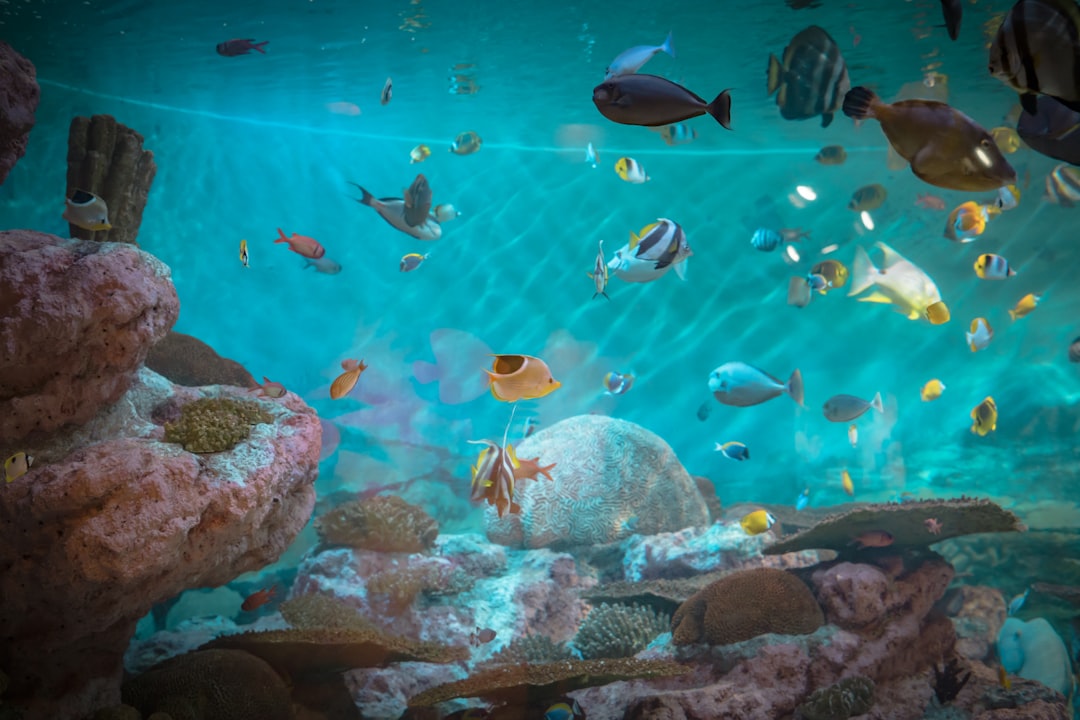
Every coral frag you bring home could be carrying unwanted passengers — flatworms, nudibranchs, red bugs, or bristleworms hidden in the crevices of the plug or base rock. Knowing how to dip corals before adding them to your reef tank is one of the simplest preventive measures in the hobby, yet many beginners skip it. At Gensou Aquascaping Singapore, we have seen pest outbreaks derail months of careful work, and a five-to-ten-minute dip would have prevented most of them.
Why Dipping Matters
Coral pests are small, often camouflaged, and multiply quickly once established in a display tank. Acropora-eating flatworms, montipora-eating nudibranchs, and zoanthid-eating sea spiders are nearly invisible to the naked eye but cause tissue loss that weakens and eventually kills the host coral. Removing these pests after they spread through your rockwork is far more difficult than eliminating them at the point of introduction. A preventive dip catches the majority of hitchhikers before they ever enter your system.
Choosing a Dip Solution
Several commercial coral dip products are available in Singapore, including Coral Rx, Two Little Fishies Revive, and Seachem Reef Dip. Each uses slightly different active ingredients — Coral Rx is pine oil-based, Revive uses herbal extracts, and Reef Dip relies on elemental iodine. All work by irritating pests enough to dislodge them from coral tissue without harming the coral itself. Follow the manufacturer’s dilution instructions precisely. Some hobbyists also use Bayer Advanced insecticide (the imidacloprid formulation) diluted at roughly 15–20 ml per litre of tank water — effective, but requires careful rinsing afterwards.
Step-by-Step Dipping Process
- Prepare a clean container — a plastic food container or small bucket works well. Fill it with water from your reef tank, not fresh saltwater, so temperature and salinity match exactly.
- Add the dip solution at the recommended concentration. Stir gently to distribute evenly.
- Place the coral frag into the solution, swirling it gently every minute or so to dislodge pests hiding in crevices.
- Soak for 5–10 minutes. Soft corals and LPS generally tolerate 5 minutes; SPS can handle up to 10 minutes. If you notice significant tissue retraction, remove the coral early.
- Using a turkey baster, blast the coral from multiple angles while it is in the dip. This physically dislodges pests that the chemical alone may not reach.
- Inspect the dip water — shine a torch into the container and look for tiny worms, bugs, or egg clusters that have fallen off. A white container makes spotting these easier.
- Transfer the coral to a second container of clean tank water for a brief rinse, then place it in your display tank.
What Dipping Will Not Catch
Dipping is effective against most external pests but does not eliminate internal parasites, embedded eggs, or diseases like brown jelly infection. It also will not remove algae or cyanobacteria already growing on frag plugs. For stubborn infestations, repeat dipping after a week. Some advanced hobbyists run a dedicated coral quarantine tank — a small, bare-bottom system with basic lighting — where new arrivals spend two to four weeks under observation before entering the display. This extra layer of protection is especially worthwhile for expensive specimens.
Tips for Singapore Hobbyists
Coral Rx and Revive are stocked at most marine shops around Serangoon North and can also be ordered on Shopee and Lazada. A single bottle lasts dozens of dips, making it one of the most cost-effective investments in reef keeping. At local frag swaps and Carousell purchases, you have even less visibility into where the coral has been, so always dip regardless of the seller’s assurances. Temperature management during the dip matters in our climate — work quickly and avoid letting the dip container sit in direct sunlight, which can overheat the water rapidly.
Dipping Different Coral Types
Soft corals like zoanthids and mushrooms tolerate most dips well but may close up temporarily. LPS corals such as torches and hammers should be dipped gently — avoid agitating the tentacles excessively. SPS frags handle dipping without issue and benefit from aggressive turkey-baster blasting to flush pests from between branches. Anemones are generally not dipped in standard coral dip solutions, as their tissue is more sensitive — a freshwater dip of a few seconds is sometimes used instead, but only by experienced reefers.
Make It Routine
At Gensou Aquascaping, we encourage every hobbyist to treat coral dipping as non-negotiable — just like dechlorinating tap water or testing salinity. Build it into your coral acquisition routine, keep your dip solution on hand, and you will avoid the heartbreak of a pest outbreak. A few minutes of effort at the start saves weeks of frustration later.
Related Reading



