
How to Move a Fish Tank Safely: Planning, Draining and Transport
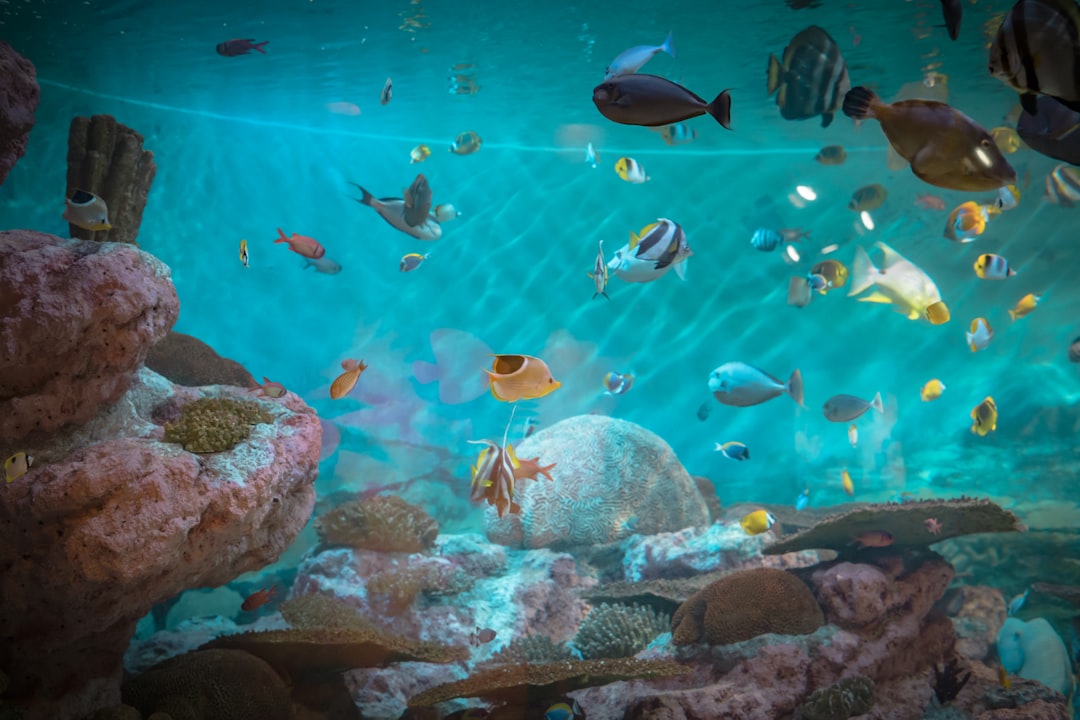
Moving house is stressful enough before factoring in a fragile glass box filled with water and living creatures. This move fish tank safely guide from Gensou Aquascaping Singapore — based at 5 Everton Park with over 20 years of hands-on experience — covers every phase of an aquarium relocation, from weeks-out planning to the final re-fill. In Singapore, where most moves involve HDB lifts, narrow corridors, and tropical heat, preparation is everything.
Planning Two Weeks Ahead
Stop adding new fish or plants at least two weeks before moving day. Perform a larger-than-usual water change (40–50 %) three days before the move to ensure excellent water quality — stress during transport suppresses immune systems, and starting with clean water gives fish a buffer. Gather supplies: buckets with lids, battery-powered air pumps, large plastic bags, rubber bands, polystyrene boxes, and bubble wrap.
Measure doorways, lift dimensions, and corridors at both the old and new location. A 120-litre tank with cabinet may not fit through a standard HDB main door without tilting. Knowing this in advance prevents last-minute panic.
Draining and Removing Contents
On moving day, start early. Catch fish first — a calm, partially filled tank is much easier to net than a full one. Place fish in sealed bags with one-third water and two-thirds air (or pure oxygen if you can source it), then insulate the bags inside a polystyrene box to maintain temperature. In Singapore’s heat, air-conditioned transport is ideal; a car boot on a hot afternoon can push water temperatures past 34 °C within minutes.
Bag plants loosely in damp newspaper inside sealed bags to prevent drying out. Remove hardscape (rocks, driftwood) and wrap each piece individually in towels or bubble wrap. Drain remaining water into clean, lidded buckets — save as much old tank water as practical, since reusing it reduces the cycling disruption at the new location.
Handling the Tank Itself
Never move a glass tank with substrate, water, or hardscape inside — the shifting weight cracks silicone seams and stresses glass panels. Empty the tank completely, including substrate if possible. For tanks under 60 litres, two people can carry the empty unit. Anything larger needs a furniture dolly and at least three pairs of hands.
Transport the tank on a flat, padded surface. Laying it on its side risks cracking the base panel where silicone bears the least load. In a vehicle, brace the tank so it cannot slide during braking. Blankets between the tank and vehicle surfaces absorb vibration.
Setting Up at the New Location
Position the cabinet and tank on a level surface against a load-bearing wall — especially important in Singapore’s HDB flats where floor loads matter. Check the stand with a spirit level before adding any water. Even a slight tilt creates uneven pressure on glass joints that worsens over time.
Add substrate, hardscape, and saved tank water first. Top up with conditioned fresh tap water to reach full volume. Reconnect the filter — ideally it has been kept wet during transit to preserve bacteria. If the filter media dried out for more than two hours, treat the setup as a mini-cycle and dose with bottled beneficial bacteria.
Re-Acclimating Your Fish
Float sealed bags in the tank for 15–20 minutes to equalise temperature, then gradually add small amounts of tank water over another 20 minutes. Release fish gently — do not pour bag water into the tank, as it may contain elevated ammonia from the journey. Dim the lights for the first 24 hours to reduce stress and allow fish to explore their new surroundings calmly.
Post-Move Monitoring
Test ammonia, nitrite, and nitrate daily for the first week. Even with saved filter media, the move disrupts bacterial colonies. Dose with a bacterial supplement if ammonia or nitrite rises above 0.25 ppm. Feed sparingly for three to four days — stressed fish eat less, and uneaten food accelerates ammonia production.
Watch for signs of stress: clamped fins, rapid breathing, colour fading, or hiding. Most fish recover within a few days if water quality stays stable. A quarantine setup is useful if any fish shows signs of illness during the recovery period.
When to Call a Professional
Tanks above 200 litres, custom-built installations, or delicate setups with CO2 systems and inline equipment benefit from professional relocation. At Gensou Aquascaping, we handle full tank moves across Singapore — disassembly, transport, and reinstallation — so nothing is left to chance. For smaller setups, this move fish tank safely procedure works reliably every time.
Related Reading
- How to Clean a Fish Tank Step by Step: Glass, Gravel and Filter
- How to Lower Ammonia in a Fish Tank Fast: Emergency Steps
- Best Aquarium Cabinets and Stands in Singapore: Style and Strength
- How to Remove Chloramine From Tap Water for Aquariums
- Aquarium Maintenance Cost in Singapore: Monthly Breakdown



