
How to Recover a Crashed Reef Tank: Emergency Steps and Patience
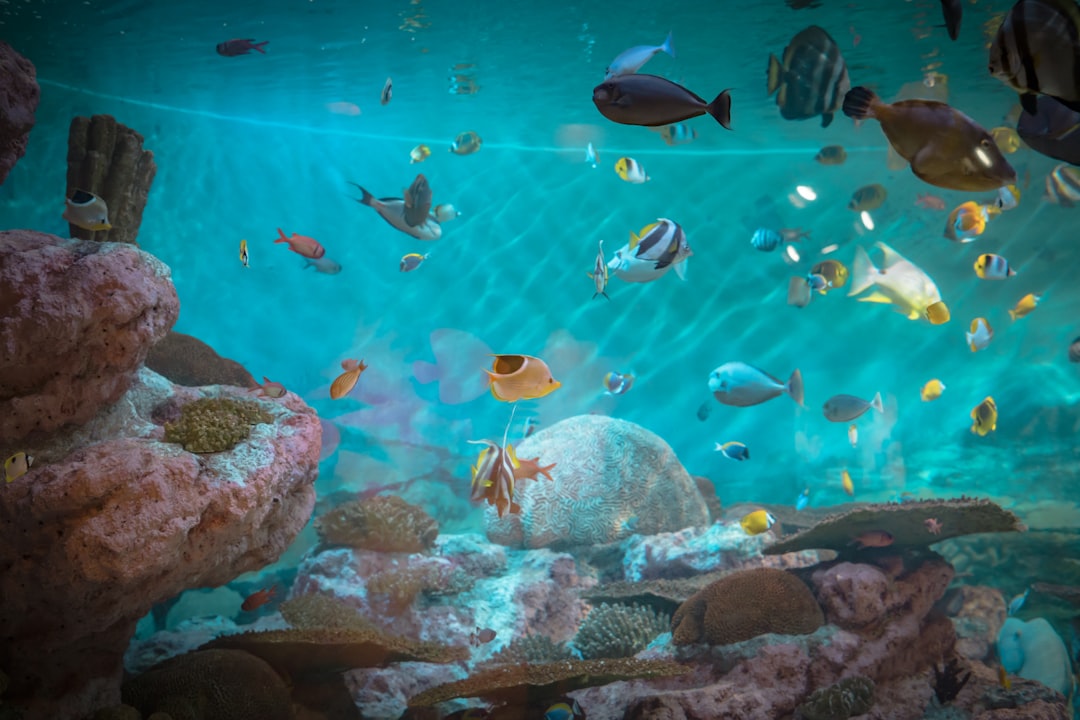
A reef tank crash is every marine hobbyist’s nightmare — one day everything looks fine, and the next you are staring at bleaching corals, closed polyps and distressed fish. Knowing how to recover a crashed reef tank guide style, with calm and methodical action, can mean the difference between saving your livestock and starting over. At Gensou Aquascaping Singapore, we have helped hobbyists through crashes caused by everything from equipment failure to accidental contamination, and the same principles apply every time. This guide sits inside our broader Saltwater Reef Tank Master Guide reference.
Identify the Cause First
Before changing anything, figure out what went wrong. Test salinity, temperature, ammonia, nitrite, nitrate, alkalinity, calcium and phosphate. Check all equipment — heater, chiller, return pump, skimmer, ATO and powerheads. Look for obvious problems: a dead fish decomposing behind the rockwork, a failed heater cooking the tank, an ATO that dumped too much freshwater, or a chemical contaminant introduced accidentally. In Singapore, power outages during storms and chiller failures during heatwaves are common triggers. The cause dictates the response.
Emergency Water Change
If ammonia or nitrite are detectable, or if you suspect contamination, perform an immediate large water change — 30 to 50 per cent using pre-mixed saltwater at the correct salinity and temperature. Have salt water ready to go; this is why keeping a batch of mixed saltwater on hand is standard practice for responsible reef keeping. If you do not have pre-mixed water, mix fresh saltwater using RO/DI water and a quality reef salt, matching your tank’s temperature and salinity as closely as possible before adding it.
Remove the Source of the Problem
If a dead fish or invertebrate is polluting the water, remove it immediately. If a heater has malfunctioned and overheated the tank, unplug it and allow the temperature to drop gradually — do not add ice, which causes a rapid shock. If the ATO has overfilled with freshwater, do not add salt directly to the display tank. Instead, drain some of the diluted water and replace it with correctly mixed saltwater to bring salinity back up slowly — no more than 0.001 to 0.002 specific gravity per hour.
Stabilise Before You Optimise
The goal in the first 24 to 48 hours is stability, not perfection. Get ammonia and nitrite to zero, bring salinity to 1.024 to 1.026 and ensure temperature sits at 25 to 27 °C. Run activated carbon to remove potential toxins and chemical irritants. Keep the skimmer running at full capacity. Do not chase alkalinity or calcium numbers during the acute phase — focus on eliminating the immediate threat to life. Once conditions stabilise, you can begin fine-tuning parameters over the following days.
Assess Livestock Damage
After stabilising conditions, take stock of what survived. Fish that are breathing heavily but still swimming have a reasonable chance of recovery if water quality improves. Corals showing partial bleaching or tissue recession may recover over weeks to months if the stress source is removed. Fully bleached corals with no tissue remaining are gone. Remove any dead specimens promptly to prevent further ammonia spikes. Document what you see — it helps when seeking advice from experienced hobbyists or shops in Singapore.
The Recovery Phase
Recovery takes weeks to months, not days. Perform smaller, more frequent water changes — 10 to 15 per cent every two to three days — to maintain pristine conditions without shocking survivors. Resume feeding cautiously, offering small amounts to avoid overloading the biological filter, which may have been compromised. Hold off on adding new livestock for at least four to six weeks. Let the surviving colony stabilise and the tank’s biology re-establish before introducing additional bioload.
During recovery, monitor parameters daily. Alkalinity, calcium and magnesium should return to normal ranges gradually. If your biological filtration has been severely impacted, you may see a mini-cycle with brief ammonia or nitrite spikes — dose a quality bacterial supplement if this occurs and continue water changes.
Preventing the Next Crash
Every crash teaches a lesson. Invest in redundancy: a backup heater, a second return pump, a battery-powered air pump for power outages, and an ATO with dual-sensor safety. Use a temperature controller with high and low alarms. Keep pre-mixed saltwater on hand at all times. Test regularly and log your results so you can spot trends before they become emergencies. Gensou Aquascaping Singapore always tells hobbyists that the best emergency plan is the one you never need to use — but having one ready makes all the difference when things go wrong.
Related Reading
More reef troubleshooting and care guides from Gensou Aquascaping Singapore:



