How to Remove Pest Snails From Your Aquarium
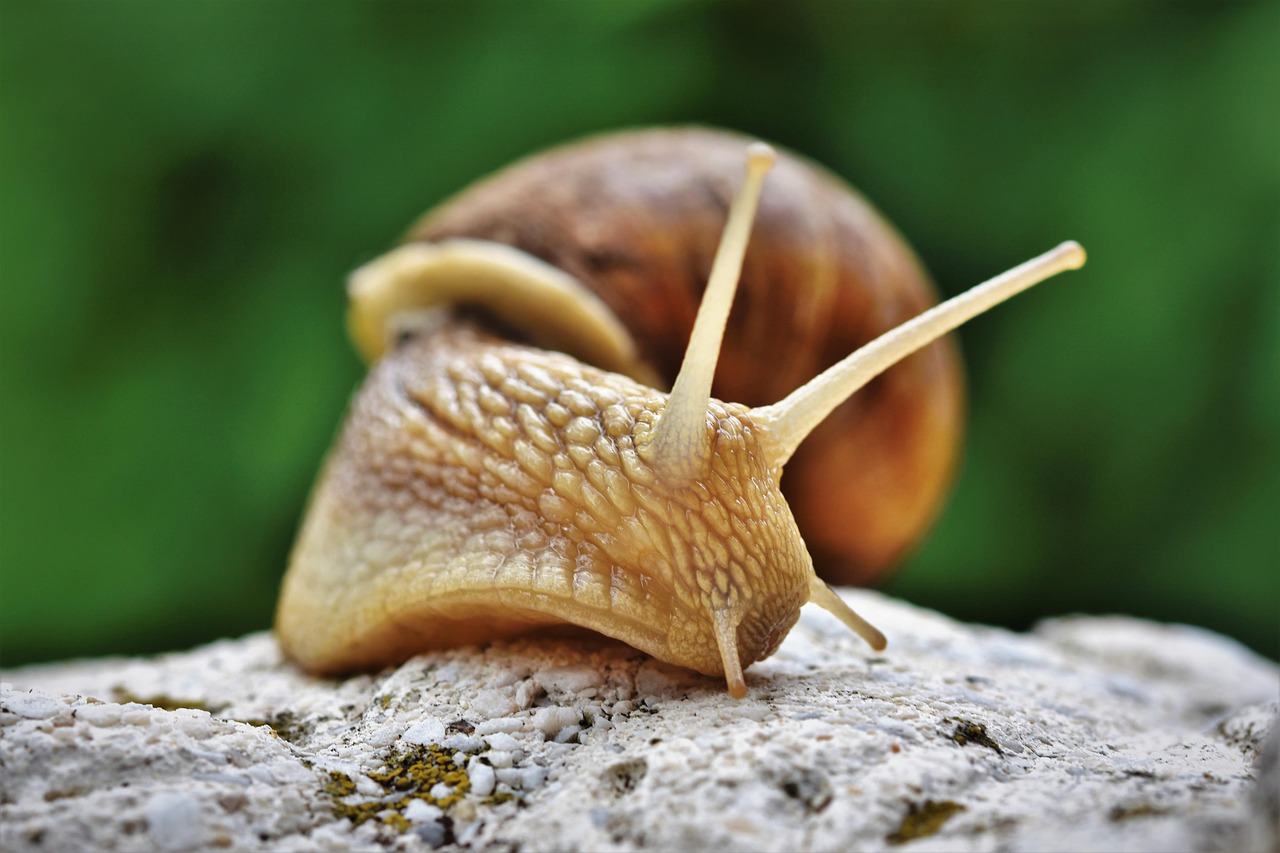
You added a few plants to your tank and now there are hundreds of tiny snails covering every surface. Pest snails — primarily pond snails, bladder snails and Malaysian trumpet snails — hitchhike on plants and multiply explosively when food is abundant. This remove pest snails aquarium guide from Gensou Aquascaping at 5 Everton Park covers every effective removal method.
Are Pest Snails Actually Harmful?
In small numbers, no. Snails eat algae, decomposing plant matter and leftover food, helping keep the tank clean. Malaysian trumpet snails aerate sand substrate by burrowing. However, large populations are unsightly, compete with shrimp for food, and can clog filter intakes. A population explosion usually indicates overfeeding — the snails are a symptom, not the root cause.
Method 1: Manual Removal
The simplest approach. Pick snails off the glass and decorations by hand or with tweezers during your regular maintenance. Crush snails against the glass and let fish eat them — many species enjoy the snack. Check for egg clusters (clear jelly blobs on glass, plants and hardscape) and remove them before they hatch. Manual removal is tedious but effective for small populations.
Method 2: Snail Traps
Place a small container (a shot glass or purpose-built snail trap) with blanched vegetable bait (zucchini, cucumber or lettuce) in the tank at night. Snails are attracted to the food and congregate on and inside the trap. Remove the trap with its snails in the morning. Commercial snail traps are available for $5–$15 in Singapore, but a DIY version works just as well. Repeat nightly for one to two weeks to significantly reduce the population.
Method 3: Assassin Snails
Assassin snails (Clea helena) are predatory snails that hunt and eat other snails. Introduce three to five assassin snails per 60 litres — they will systematically reduce the pest snail population over several weeks. They breed slowly (unlike pest snails) and will not overrun your tank. Once pest snails are eliminated, assassin snails survive on leftover fish food and biofilm. This is the most popular biological control method and widely available in Singapore shops for $2–$3 each.
Method 4: Snail-Eating Fish
Several fish species eat snails. Pea puffers are the most effective but require specific care and may nip tank mates. Clown loaches and yoyo loaches eat snails enthusiastically but grow large and need big tanks. Some cichlids, especially Central American species, crush and eat snails. Choosing a snail-eating fish purely for pest control only works if the fish is also a good fit for your tank — do not add a fish you cannot properly house long-term.
Method 5: Reduce the Food Source
Snail populations are directly linked to available food. Cut feeding by 50 per cent and remove any uneaten food within two minutes. Vacuum the substrate thoroughly during water changes to remove detritus that snails feed on. Trim dead and decaying plant leaves promptly. Without excess food, the snail population self-regulates and declines naturally within a few weeks. This is the most sustainable long-term solution.
Methods to Avoid
Copper-based snail treatments: Effective at killing snails but also lethal to shrimp and harmful to many fish and plants. Not recommended for any tank with invertebrates.
Complete tank teardown: Unnecessary and disruptive. It destroys your biological filtration and stresses all inhabitants. Only consider this as a last resort for extreme infestations.
Prevention
Quarantine new plants for two weeks and inspect for snails and eggs before adding them to your display tank. Dip new plants in alum solution (1 tablespoon per litre for 2–3 hours) to kill snails and eggs. Buy tissue culture plants, which are guaranteed pest-free. Maintain disciplined feeding habits — the single best prevention against snail explosions is not overfeeding.
Related Reading