
How to Aquascape for Corydoras: Soft Sand and Shaded Corners
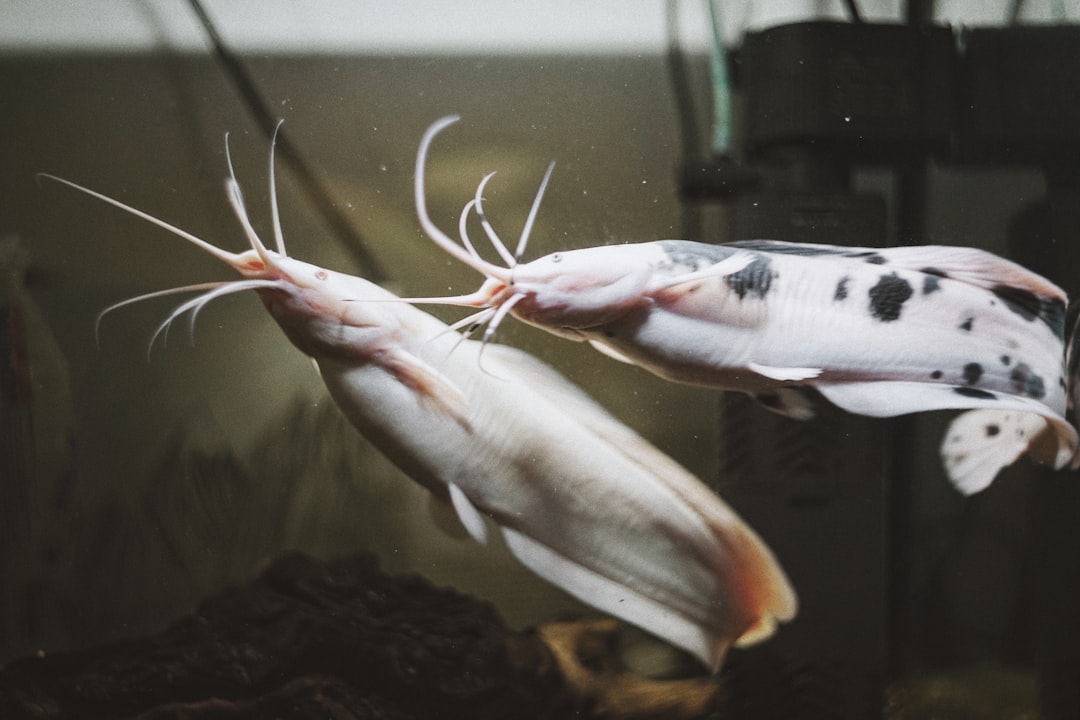
Corydoras catfish spend their lives on the bottom, sifting sand through their barbels in search of food. An aquascape corydoras sand bottom guide prioritises their needs: soft substrate, shaded resting spots, and open foraging lanes. Too many aquascapes treat the bottom as an afterthought — this one from Gensou Aquascaping at 5 Everton Park, Singapore puts it front and centre, drawing on over 20 years of building tanks where bottom dwellers genuinely thrive.
Why Sand Matters for Corydoras
Corydoras feed by plunging their faces into the substrate and expelling material through their gills. Coarse gravel damages delicate barbels over time, leading to erosion, infection, and reduced ability to find food. Fine sand — grain size 0.5–1.5 mm — is the only substrate that supports this natural behaviour safely. Pool filter sand or play sand from hardware stores costs $5–$8 for a 25 kg bag and works perfectly after thorough rinsing.
Colour preference is aesthetic, but lighter sand makes corydoras easier to observe and creates a clean visual contrast against dark driftwood and green plants.
Layout Principles for Bottom Dwellers
Think in horizontal zones rather than vertical layers. Corydoras need continuous open sand areas of at least 30 x 20 cm to forage comfortably — avoid cluttering the entire bottom with rock and wood. Position hardscape toward the sides and rear, leaving a central sand clearing that serves as the main foraging ground.
Overhangs created by driftwood, flat stones, or broad-leaf plants provide essential resting spots. Corydoras are crepuscular — most active at dawn and dusk — and retreat to shaded areas during bright midday lighting. A piece of Malaysian driftwood angled to create a cave-like gap beneath it becomes a favourite gathering spot.
Best Plants for a Corydoras Tank
Choose plants that tolerate sandy substrate or grow epiphytically. Cryptocoryne wendtii roots well in sand with a root tab supplement every three months. Anubias barteri var. nana and java fern (Microsorum pteropus) attach to wood and stone, adding greenery without rooting in the substrate at all. Broad-leaf Echinodorus species provide overhead shade when positioned behind driftwood.
Floating plants like Salvinia minima or Amazon frogbit (Limnobium laevigatum) dim lighting naturally, encouraging corydoras to come out and forage during the photoperiod rather than hiding until lights-off. Keep floating plant coverage to 20–40 % of the surface for balanced light and gas exchange.
Hardscape Selection
Smooth river stones and rounded cobbles complement the soft-bottom theme and pose zero risk to barbels. Avoid dragon stone or seiryu with sharp edges at substrate level. Driftwood with broad, horizontal branches works better than tall vertical pieces — you want shade and shelter at ground level, not towering structures.
Leaf litter — dried Indian almond leaves (ketapang) or jackfruit leaves — adds tannins that soften water slightly and creates a natural foraging surface. Corydoras love nosing through decomposing leaves. Replace leaves every two to three weeks as they break down.
Water Parameters and Temperature
Most popular corydoras species — C. paleatus, C. aeneus, C. panda, C. sterbai — tolerate Singapore’s warm tap water well after dechloramination. Target pH 6.5–7.5, GH 2–10 dGH, and temperature 24–28 degrees C. C. sterbai handles warmth particularly well, making it an ideal choice for non-chilled Singapore tanks.
C. panda and C. hastatus prefer cooler conditions around 22–25 degrees C, which means a clip-on fan or chiller is advisable during Singapore’s hotter months. Check species-specific requirements before purchasing.
Stocking and Social Behaviour
Corydoras are obligate shoaling fish. Keep a minimum of six of the same species — ten or more produces noticeably more confident, active behaviour. Mixing species works if each group has adequate numbers; a tank with three pandas and three sterbai leaves both groups insecure. Better to have six of one species and add a second school once the tank matures.
Excellent upper-level companions include rainbowfish, harlequin rasboras, ember tetras, and peaceful gouramis. Avoid large cichlids and aggressive bottom dwellers like Chinese algae eaters.
Maintenance for Sand Substrates
Sand compacts over time, creating anaerobic pockets that produce hydrogen sulphide — identifiable by a rotten-egg smell when disturbed. Gently stir the top centimetre of sand during weekly water changes to prevent this. Corydoras do some of this work naturally, but manual intervention ensures even coverage.
Siphon detritus off the sand surface rather than deep-vacuuming into it. A standard gravel vacuum held just above the sand pulls waste without sucking up substrate. Weekly 25–30 % water changes maintain the clean conditions corydoras need to stay healthy and display their best colours.
A properly scaped corydoras sand bottom tank is endlessly entertaining. At Gensou Aquascaping, we never tire of watching a school of cories shuffle across an open sand flat — it is one of the hobby’s simplest and purest pleasures.
Related Reading



