How to Set Up an Aquarium Monitoring System: Sensors and Alerts
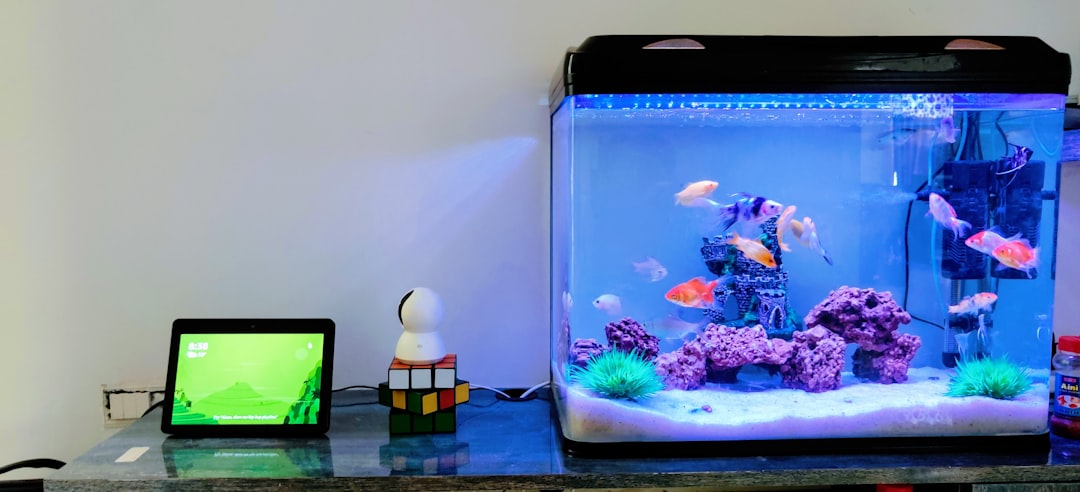
Imagine receiving a phone notification that your tank temperature has spiked to 33 °C while you are at work — and being able to remotely switch on a chiller fan before any damage occurs. An aquarium monitoring system setup guide turns that scenario from fantasy into routine. Gensou Aquascaping at 5 Everton Park, Singapore, has helped hobbyists integrate smart monitoring into setups ranging from nano shrimp tanks to 500-litre planted displays. The technology is more accessible and affordable than most people expect.
What to Monitor
Temperature is the most critical parameter, especially in Singapore where ambient heat can push uncooled tanks past 32 °C. pH matters for sensitive species — a sudden drop from 6.5 to 5.5 overnight indicates CO2 injection issues or substrate exhaustion. TDS (total dissolved solids) is essential for Caridina shrimp keepers maintaining remineralised RO water at 100-150 ppm. Water level monitoring catches evaporation issues and equipment leaks. Start with temperature and pH; add TDS and water level as your confidence grows.
Standalone vs Wi-Fi Connected Systems
Basic standalone monitors like the Inkbird ITC-308 display temperature and trigger a heater or cooling fan at preset thresholds — effective but no remote alerts. Wi-Fi connected systems like the GHL ProfiLux, Seneye or Neptune Apex send push notifications to your phone and log data over time. The Seneye home module is a popular entry point at around $120-150 on Shopee, covering temperature, pH and ammonia with a USB-connected sensor slide. For full automation with dosing pump control, the GHL ProfiLux is the gold standard, though it costs $500-800 depending on the configuration.
DIY Options With Arduino or ESP32
Hobbyists comfortable with basic electronics can build a monitoring system using an ESP32 microcontroller, a DS18B20 waterproof temperature probe and a pH sensor module. Total component cost sits around $30-50. Flash the ESP32 with ESPHome or Tasmota firmware, connect it to Home Assistant running on a Raspberry Pi, and you have a fully customisable monitoring dashboard with push notifications, data logging and automation triggers. Guides and code libraries are freely available on GitHub. The learning curve is moderate but the flexibility is unmatched.
Sensor Placement and Calibration
Mount temperature probes midway down the water column, away from heaters and filter outlets that create localised hot or cold zones. pH probes should sit in moderate flow — stagnant water gives inaccurate readings. Calibrate pH sensors monthly using buffer solutions (pH 4.0 and 7.0), available at local aquarium shops for $5-8 per pair. TDS meters are factory-calibrated but benefit from verification against a known reference solution quarterly. Poor calibration produces false alarms and, worse, false confidence.
Setting Alert Thresholds
Configure alerts conservatively. For a tropical community tank, set temperature alerts at below 24 °C and above 31 °C. pH alerts at plus or minus 0.5 from your target give enough warning without triggering nuisance notifications. TDS alerts for shrimp tanks should fire at plus or minus 20 ppm from target. Water level alerts trigger when the level drops below 2 cm from normal — in Singapore’s dry air-conditioned rooms, evaporation of 1-2 cm per week is typical. Test your alert system by deliberately triggering a threshold to confirm notifications reach your phone.
Automation Beyond Monitoring
Smart monitoring naturally leads to automation. A temperature alert can trigger a Wi-Fi smart plug to activate a cooling fan. A pH drop alert can pause your CO2 solenoid. A low water level reading can start an auto top-off pump. Systems like the Neptune Apex handle this natively; DIY setups achieve it through Home Assistant automations. Start simple — automated cooling fan activation alone prevents the most common disaster in Singapore’s climate. Add complexity gradually as you gain trust in the system’s reliability.
Data Logging and Long-Term Insights
The hidden value of monitoring systems is the historical data they collect. A graph showing your tank’s pH dropping 0.1 units each month reveals substrate buffering exhaustion months before a crash. Temperature logs expose patterns you never noticed — perhaps your tank peaks at 3 pm when sunlight hits the window. TDS trends after water changes show how quickly dissolved solids accumulate. Review your data weekly and you will catch problems in their earliest, most treatable stages. That proactive approach is what separates routine fishkeeping from truly controlled aquarium management.
Related Reading