
How to Stock a Community Tank: Levels, Temperament and Numbers

A proper stock community tank guide considers far more than just picking attractive fish. Successful community tanks require thoughtful planning around swimming levels, temperament, water parameter compatibility and appropriate numbers. At Gensou Aquascaping, 5 Everton Park, we help Singapore hobbyists build community tanks that thrive for years.
Understanding Swimming Levels
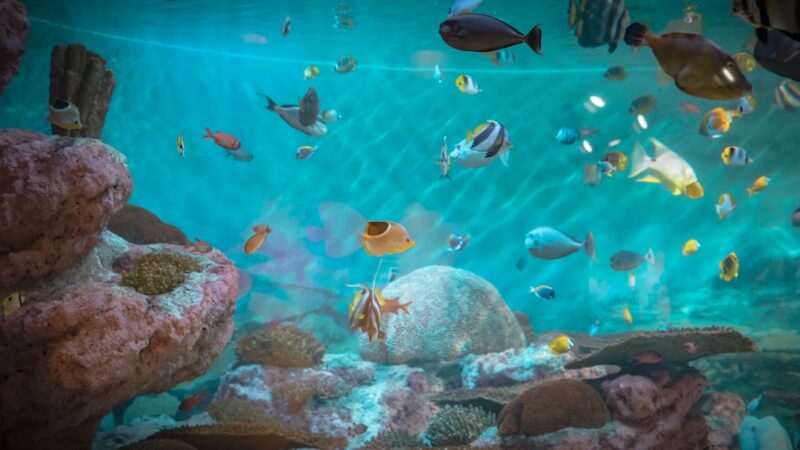
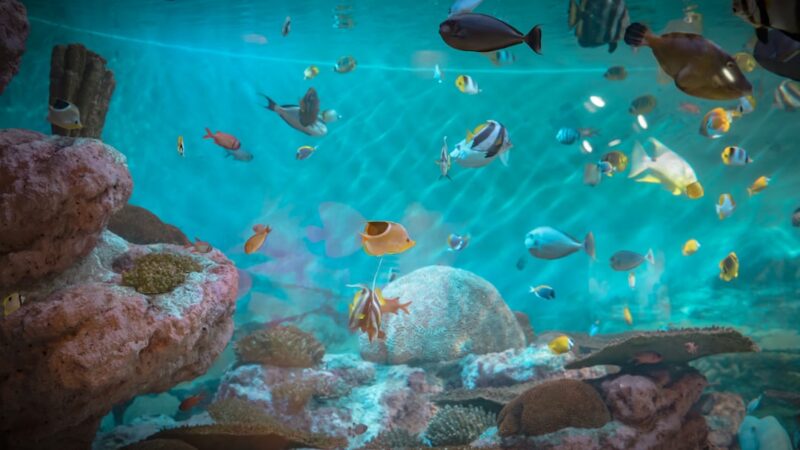
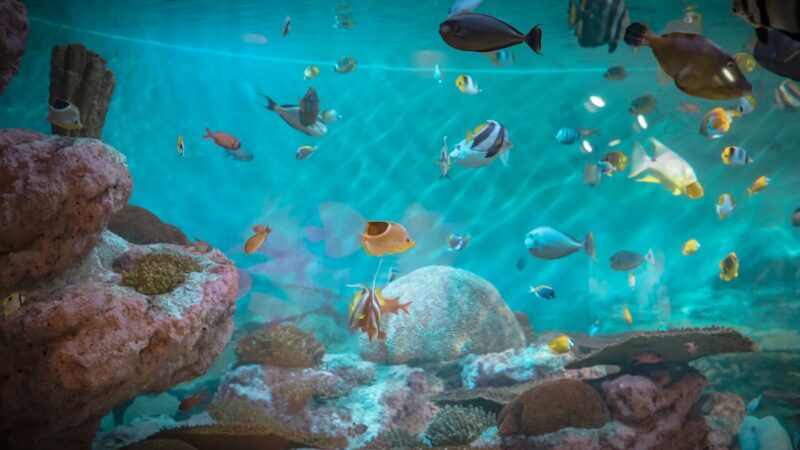
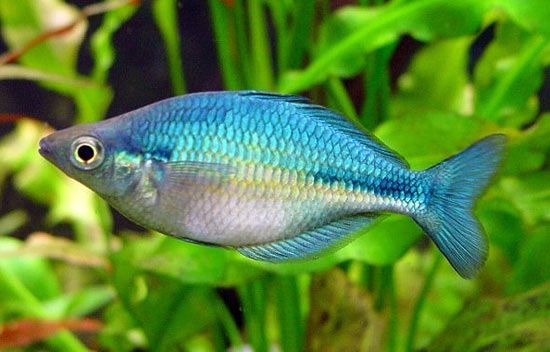
A well-stocked community tank has activity at every level: top, middle and bottom. Top dwellers include hatchetfish, pencilfish and surface-feeding killifish. The midwater zone is home to the majority of popular community fish, including tetras, rasboras, barbs and gouramis. Bottom dwellers encompass Corydoras catfish, loaches, and various pleco species.
Stocking all three levels creates visual depth and ensures every part of your tank feels alive. A common mistake is overloading the midwater zone while leaving the top and bottom empty, which makes the tank look unbalanced and wastes valuable space.
Temperament Matching
Fish temperament ranges from completely docile to highly aggressive. Most community tanks work best with fish rated as peaceful to semi-aggressive. Never mix truly aggressive species like African cichlids or large predatory fish with small, peaceful community species.
Within the peaceful category, be aware of fin-nipping behaviour. Tiger barbs, serpae tetras and some danios will harass slow-moving fish with flowing fins like bettas and angelfish. If you want these species, keep them in larger groups of eight or more, which redirects nipping behaviour within the school rather than toward tankmates.
Water Parameter Compatibility
All fish in a community tank must tolerate the same water conditions. Singapore tap water, with its neutral pH and moderate hardness, suits the vast majority of popular community species. However, mixing species with vastly different requirements leads to problems. Discus need soft, acidic water and high temperatures around 28 to 30 degrees Celsius, which would stress most livebearers that prefer harder, slightly alkaline water.
Group your potential choices by preferred pH, temperature and hardness. In Singapore’s climate, unheated tanks typically sit at 27 to 30 degrees Celsius, which suits most tropical species comfortably.
Appropriate Schooling Numbers
Schooling fish must be kept in adequate numbers or they become stressed, hide constantly or display aggression. The minimum school size for most tetras, rasboras and Corydoras is six, but ten or more produces much more natural behaviour and a better visual display. A school of 20 cardinal tetras is far more impressive and healthier than two schools of five different species.
Resist the temptation to collect one or two of every species. Fewer species in larger numbers always creates a more harmonious and attractive tank than many species in small, stressed groups.
Calculating Stocking Density
The old rule of one inch of fish per gallon is a rough starting point but fails for many situations. A better approach considers the fish’s adult size, waste production, activity level and territorial needs. Slim-bodied fish like tetras produce less waste per centimetre than heavy-bodied species like goldfish or plecos.
For a practical guide, a 120-litre tank comfortably holds around 30 to 40 small community fish like tetras and rasboras, or 15 to 20 medium-bodied fish. Always research the adult size of each species before purchasing. Many fish sold in Singapore shops are juveniles that will double or triple in size. Common plecos, often sold at two to three centimetres for SGD 2, can reach 30 centimetres or more.
A Sample Stocking Plan
For a standard three-foot community tank of approximately 120 litres, consider this balanced approach. Top level: six to eight marble hatchetfish. Midwater: 15 cardinal tetras and one male plus two female pearl gouramis as centrepieces. Bottom: eight Corydoras habrosus and three Kuhli loaches. Add five Amano shrimp and two Nerite snails for the cleanup crew.
This combination covers all swimming levels, mixes colours and body shapes, and stays well within safe stocking limits. Total livestock cost at Singapore prices would run approximately SGD 80 to SGD 120.
Adding Fish Gradually
Never add all your fish at once. Start with the hardiest species two weeks after your tank has finished cycling. Add the bottom dwellers and a partial school of your midwater species first. Wait two to three weeks, monitor water parameters, then add the next group. Introduce the most sensitive or expensive species last, once the tank is fully mature and stable.
This gradual approach allows your biological filter to adapt incrementally and gives you time to spot any compatibility issues before the tank is fully stocked.
Troubleshooting Community Tank Problems
If aggression erupts, first check that the aggressor has enough space and hiding spots. Rearranging hardscape can reset territorial boundaries. If a fish is persistently bullying others, it may need to be rehomed. Visit Gensou Aquascaping at 5 Everton Park for advice on resolving community tank conflicts. We can suggest compatible replacements or layout adjustments that restore harmony to your setup.
Related Reading