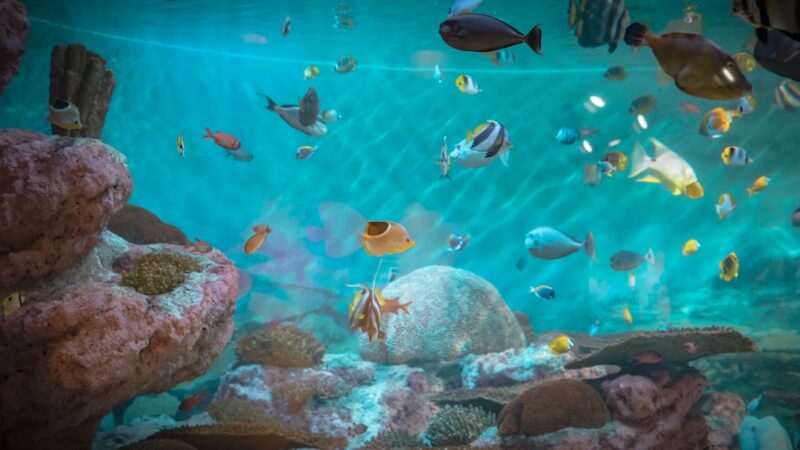
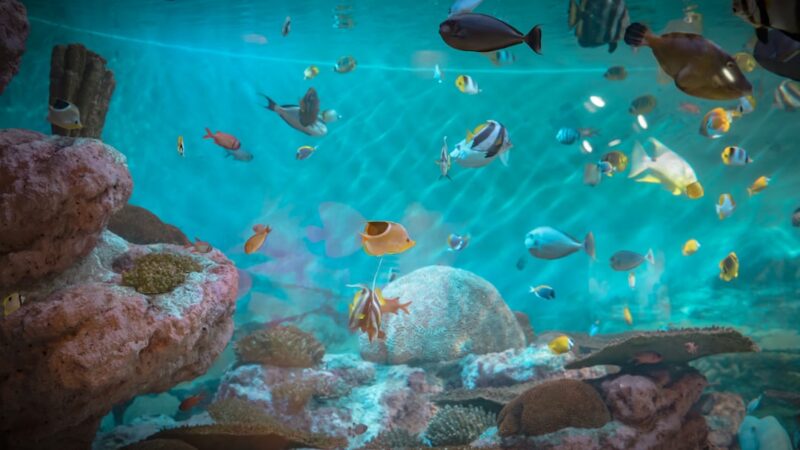
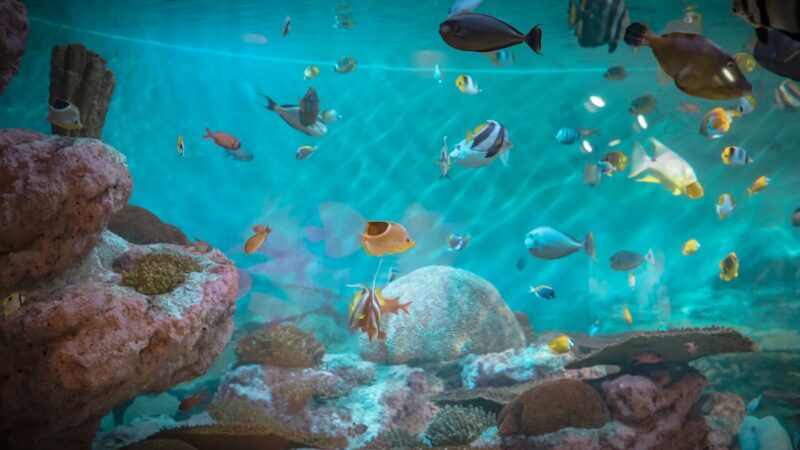
How to Stock Your Aquarium Slowly: The Patient Approach
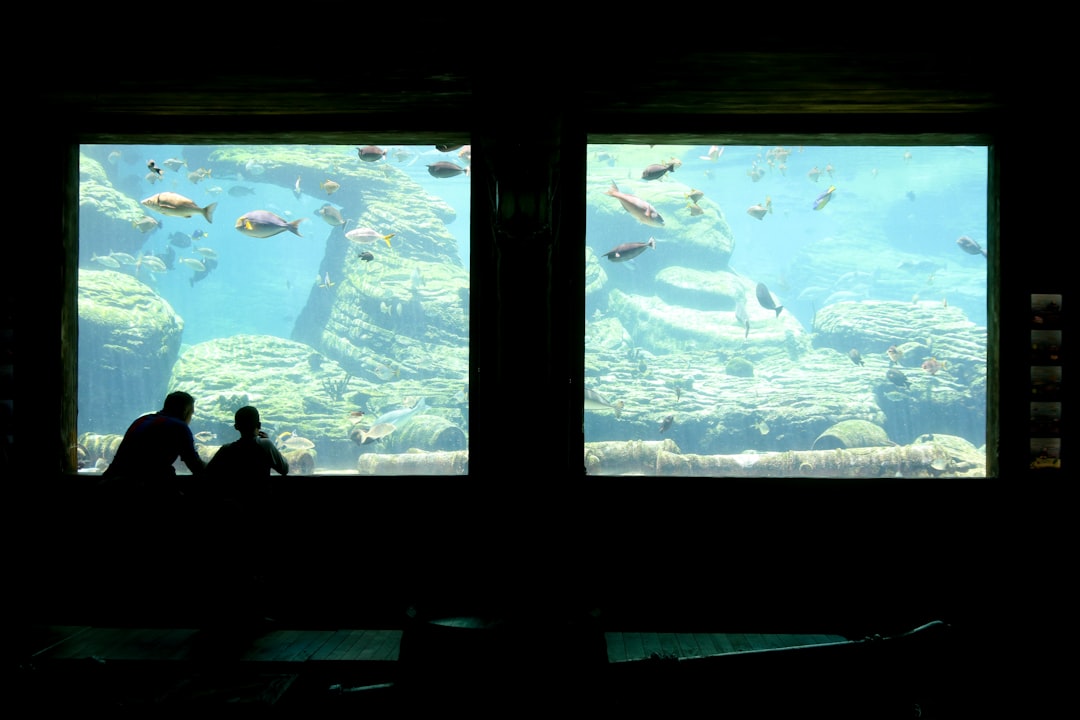
Learning to stock your aquarium slowly is arguably the single most important lesson any new fishkeeper can master. In a hobby where patience directly correlates with success, the temptation to fill a gleaming new tank with dozens of colourful fish on day one has led to countless avoidable tragedies. At Gensou, operating from 5 Everton Park with over 20 years of aquascaping expertise, we have guided hundreds of hobbyists through the art of patient stocking — and the results speak for themselves.
This guide explains why slow stocking matters, provides a practical timeline you can follow, and offers specific advice for hobbyists keeping aquariums in Singapore’s unique tropical climate.
Table of Contents
- Why You Should Stock Your Aquarium Slowly
- Understanding the Nitrogen Cycle
- Cycling Your Tank Before Adding Fish
- Recommended Stocking Timeline
- Choosing the Right Stocking Order
- How Many Fish to Add at Once
- Monitoring Water Parameters
- Singapore-Specific Considerations
- Common Mistakes When Stocking
- Frequently Asked Questions
- Conclusion
Why You Should Stock Your Aquarium Slowly
Every aquarium is a miniature ecosystem. The beneficial bacteria that process fish waste — converting toxic ammonia to nitrite and then to relatively harmless nitrate — take time to establish and multiply. When you add too many fish at once, waste production overwhelms the bacterial colony, ammonia spikes and fish suffer or die. This is commonly known as “new tank syndrome.”
The Biological Balance
Think of your aquarium’s biological filtration as a workforce. Each time you add fish, you are increasing the workload. The bacterial workforce needs time to hire new members (reproduce) to handle the extra demand. Adding fish gradually gives bacteria time to multiply proportionally, maintaining a healthy balance throughout the stocking process.
Stress Reduction
Fish added to a stable, well-established environment experience far less stress than those dropped into a chaotic, newly stocked tank. Lower stress means stronger immune systems, more vibrant colours and longer lifespans. In Singapore’s warm climate, where higher water temperatures already accelerate metabolism and oxygen consumption, minimising additional stressors is doubly important.
Understanding the Nitrogen Cycle
Before discussing stocking timelines, you need to understand the nitrogen cycle — the biological process that makes fish-keeping possible.
| Stage | Compound | Toxicity | What Happens |
|---|---|---|---|
| 1 | Ammonia (NH₃/NH₄⁺) | Highly toxic | Produced by fish waste, uneaten food and decaying matter |
| 2 | Nitrite (NO₂⁻) | Highly toxic | Nitrosomonas bacteria convert ammonia to nitrite |
| 3 | Nitrate (NO₃⁻) | Low toxicity in small amounts | Nitrospira bacteria convert nitrite to nitrate |
| 4 | Removal | N/A | Water changes and plants remove accumulated nitrate |
A fully cycled aquarium has established colonies of both Nitrosomonas and Nitrospira bacteria. This process typically takes three to six weeks, though Singapore’s warmer water temperatures (28–30°C) can speed things up slightly, as bacteria reproduce faster in warmer conditions.
Cycling Your Tank Before Adding Fish
There are two primary methods for cycling a new aquarium: fishless cycling and fish-in cycling. We strongly recommend fishless cycling as the more humane and reliable approach.
Fishless Cycling
Add a source of ammonia — pure household ammonia (without surfactants) or commercial fishless cycling products — to your tank. Dose to approximately 2–4 ppm ammonia and test daily. You will see ammonia rise and then fall as nitrite appears, followed by nitrite falling as nitrate appears. When your tank can process 2 ppm ammonia to zero ammonia and zero nitrite within 24 hours, the cycle is complete.
Seeding with Established Media
If you have access to filter media from an established aquarium, adding it to your new filter dramatically accelerates cycling. Many local fish shops in Singapore will sell or give away established filter sponges. At Gensou, we routinely provide seeded media to customers starting new tanks, cutting cycling time to as little as one to two weeks.
Bottled Bacteria Products
Commercial bacterial supplements can help, but results vary significantly between brands. They should complement, not replace, proper cycling. Even with bottled bacteria, we recommend waiting at least a week and confirming stable water parameters before adding your first fish.
Recommended Stocking Timeline
Here is a practical timeline for stocking a typical community aquarium. This schedule assumes a fishless-cycled tank of 80 to 120 litres.
| Week | Action | Details |
|---|---|---|
| Weeks 1–4 | Fishless cycling | Set up tank, add ammonia source, test daily |
| Week 5 | First fish addition | Add hardy bottom-dwellers (e.g., 4–6 corydoras) or a small school of tetras |
| Week 7 | Second fish addition | Add a small school of mid-level swimmers (e.g., 6–8 rasboras) |
| Week 9 | Third fish addition | Add feature or centrepiece fish (e.g., a pair of dwarf gouramis) |
| Week 11 | Fourth fish addition | Add remaining fish or a cleanup crew (e.g., otocinclus, snails or shrimp) |
| Week 13+ | Fine-tuning | Assess stocking level, add final fish only if parameters remain stable |
The two-week gap between additions gives the biological filter time to adjust to each increase in bioload. Test ammonia and nitrite before every new addition — both should read zero. If either shows a reading, delay the next addition until parameters stabilise.
Choosing the Right Stocking Order
The order in which you introduce fish matters, particularly for community tanks. Follow these general principles for the best results.
Start with Hardy, Peaceful Species
Your first fish should be robust species that tolerate minor water quality fluctuations. Corydoras catfish, white cloud mountain minnows and cherry barbs are excellent pioneers. They are forgiving of the slight parameter wobbles that can occur as your biological filter adjusts to its first inhabitants.
Add Schooling Fish Next
Mid-level schooling fish such as neon tetras, harlequin rasboras or rummy-nose tetras should come second. These fish feel more secure when added to a tank that already has some peaceful activity, reducing stress-related hiding and colour loss.
Introduce Territorial Fish Last
Any semi-territorial species — dwarf gouramis, angelfish or rams — should be added last. When territorial fish are introduced first, they claim the entire tank as their domain and harass newcomers. Adding them to an already populated tank limits territorial behaviour significantly.
Algae Eaters After Algae Appears
Do not add otocinclus, Siamese algae eaters or nerite snails until your tank has some algae growth to sustain them. Adding them too early often leads to starvation. Wait until you see a thin film of algae on surfaces, typically four to six weeks after initial stocking.
How Many Fish to Add at Once
Even when your tank is fully cycled, adding too many fish simultaneously can cause a mini-cycle. As a general guide, never add more than 25–30% of your intended total stock at one time. For a 80-litre community tank with a target of 20–25 small fish, this means adding no more than five to seven fish per batch.
For larger tanks (200 litres and above), you can add slightly more per batch, but the same principle applies — give the filter time to adapt between additions. Always test water parameters 48 hours after adding new fish to confirm stability.
Monitoring Water Parameters
Regular water testing is non-negotiable during the stocking phase. Invest in a reliable liquid test kit rather than test strips, which are less accurate.
| Parameter | Ideal Range | Test Frequency During Stocking | Action if Out of Range |
|---|---|---|---|
| Ammonia | 0 ppm | Every 1–2 days | 25% water change immediately |
| Nitrite | 0 ppm | Every 1–2 days | 25% water change immediately |
| Nitrate | Below 40 ppm | Weekly | Increase water change frequency |
| pH | 6.5–7.5 (species dependent) | Weekly | Investigate cause of fluctuation |
| Temperature | 24–28°C | Daily (visual check) | Adjust heater or consider chiller |
In Singapore, PUB tap water generally has a pH of 7.0–8.5 and contains chlorine and chloramine. Always treat tap water with a quality dechlorinator before adding it to your tank during water changes.
Singapore-Specific Considerations
Keeping aquariums in Singapore presents unique challenges and advantages that affect your stocking approach.
Temperature and Metabolism
Singapore’s year-round tropical temperatures mean aquarium water naturally sits at 28–30°C without a heater. While this is within the comfort range for most tropical fish, higher temperatures increase fish metabolism, meaning they eat more, produce more waste and consume more oxygen. Factor this into your stocking density — slightly fewer fish per litre compared to recommendations written for cooler-climate aquariums.
Dissolved Oxygen
Warmer water holds less dissolved oxygen. Ensure adequate surface agitation from your filter outlet or an air stone, especially as your fish population increases. In well-stocked tanks during Singapore’s hottest months, supplemental aeration can be the difference between thriving and struggling fish.
Local Fish Availability
Singapore is a global hub for ornamental fish. The wide variety of species available locally can tempt even disciplined hobbyists into impulse purchases. Resist the urge. Plan your stocking list in advance and stick to it. If you spot an interesting fish at the local fish shop, research it thoroughly before buying — check adult size, temperament and compatibility with your existing stock.
Common Mistakes When Stocking
Buying Fish on Impulse
Walking into a fish shop without a plan is dangerous for your wallet and your tank. Always research compatibility, adult size and care requirements before purchasing. That adorable baby pleco might grow to 30 centimetres and outgrow your tank within a year.
Trusting Fish Shop Staff Blindly
While many local fish shop owners are highly knowledgeable, advice quality varies. Some may suggest incompatible species or understate tank size requirements to make a sale. Cross-reference advice with reputable online sources or consult experienced hobbyists in Singapore’s active aquarium community.
Ignoring Quarantine
New fish can carry diseases that devastate an established tank. Ideally, quarantine new arrivals in a separate tank for two weeks before introducing them to your main display. At minimum, observe new fish at the shop for signs of disease — white spots, clamped fins, rapid breathing or lethargy — before purchasing.
Overfeeding During Stocking
New fishkeepers often overfeed, and this problem compounds during the stocking phase when the biological filter is still building capacity. Feed small amounts that fish consume within two minutes, once or twice daily. Remove any uneaten food promptly.
Frequently Asked Questions
How long should I wait between adding new fish?
Wait a minimum of two weeks between additions. This gives your biological filter time to adjust to the increased bioload. Always test ammonia and nitrite before adding new fish — both should read zero. If either shows a reading above zero, delay the addition until parameters stabilise completely.
Can I add all my fish at once if I use bottled bacteria?
No. While bottled bacteria products can help establish biological filtration faster, they do not provide instant full capacity. You should still stock gradually, even with bottled bacteria. The risk of an ammonia or nitrite spike remains high if you add too many fish at once, regardless of bacterial supplements.
How do I know when my tank is fully stocked?
Your tank is at capacity when nitrate levels rise noticeably between weekly water changes (exceeding 20 ppm in a week), when fish appear crowded or stressed, or when aggression increases. As a rough guideline for tropical community fish, allow two litres of water per centimetre of adult fish length — but this varies by species and filtration capacity.
Do I need a quarantine tank?
A quarantine tank is strongly recommended, especially once your main tank has established fish you want to protect. A simple 20-litre tank with a sponge filter and heater is sufficient. Quarantine new arrivals for 10–14 days, watching for signs of disease before introducing them to your display tank.
Related Reading
- How to Stock a Community Tank: Levels, Temperament and Numbers
- Aquarium as Home Décor: Placement, Styles and Design Tips
- Aquarium Background Ideas: Paint, Film, 3D and Natural
- 10 Beginner Aquarium Mistakes and How to Avoid Them
- Top Aquarium Mistakes in the First Month and How to Avoid Them
Patience Pays Off — Start Stocking the Right Way
Stocking your aquarium slowly is not merely a best practice — it is the foundation upon which every successful aquarium is built. The weeks of patience during the initial stocking phase pay dividends for years to come in the form of healthier fish, stable water parameters and a far more enjoyable hobby experience.
Need guidance on planning your stocking list or cycling your new tank? Reach out to Gensou for expert advice tailored to your setup. Browse our online shop for cycling products, test kits and beginner-friendly fish, or explore our custom aquarium service for a professionally planned and stocked display.