
How to Treat Hole in the Head Disease in Fish
Knowing how to treat hole in head fish guide is essential for anyone keeping cichlids, oscars or discus, the species most commonly affected by this distressing condition. Hole in the head disease, also called head and lateral line erosion (HLLE), produces visible pits and craters across a fish’s face and body. At Gensou Aquascaping, based at 5 Everton Park in Singapore, we have helped many hobbyists reverse early-stage HLLE and restore their fish to full health.
Understanding Hole in the Head Disease
Hole in the head disease presents as small, pale pits on the head and along the lateral line of affected fish. These pits may ooze white, stringy mucus and can enlarge over time if left untreated. The condition is associated with the flagellate parasite Hexamita, though many researchers now believe it is multifactorial. Poor nutrition, chronic stress, activated carbon use, stray electrical voltage in the water and suboptimal water quality all appear to play contributing roles. In Singapore’s warm, humid environment, maintaining stable tank conditions requires extra vigilance, particularly during the haze season when windows may stay closed and room temperatures climb.
Identifying Early Symptoms
Early detection greatly improves the chances of full recovery. Watch for small, whitish depressions on the head, especially around the eyes and nostrils. The fish may lose colour intensity, become less active, or produce white, stringy faeces—a classic sign of internal flagellate infection. Appetite often decreases gradually rather than stopping abruptly. If you notice these signs, begin treatment before the pits deepen and secondary bacterial infections take hold.
Improving Water Quality First
Before reaching for medication, address water quality. Perform a 40 per cent water change immediately and continue with 25–30 per cent changes every two to three days. Test for ammonia, nitrite and nitrate—nitrate levels above 20 ppm are frequently linked to HLLE in sensitive species like discus. Remove activated carbon from your filter, as some studies suggest it may leach trace contaminants or strip beneficial minerals from the water. Ensure your heater maintains a stable 28–30 °C for tropical cichlids. In Singapore, this is generally achievable without a heater for most of the year, but air-conditioned rooms can cause temperature dips overnight.
Metronidazole Treatment Protocol
Metronidazole is the most effective medication against Hexamita and related flagellate parasites. The standard dosage is 250 mg per 40 litres of water, administered as a bath treatment. Dissolve the medication in a small cup of warm tank water before adding it to the aquarium. Repeat the dose every 48 hours after a 25 per cent water change, for a total of three treatments. Metronidazole is available from veterinary pharmacies in Singapore; some aquarium shops also stock fish-specific formulations. Expect to pay around $10–$20 SGD for a treatment course.
Medicated Food for Better Results
Combining bath treatment with medicated food attacks the parasite from both outside and inside. Soak high-quality pellets or frozen bloodworms in a metronidazole solution—crush one 250 mg tablet into a small amount of tank water and mix it with a day’s worth of food. Allow the food to absorb the medication for 15 minutes before feeding. Offer medicated food once daily for seven to ten days. If the fish is not eating, rely on the bath treatment alone, but try tempting it with garlic-soaked live or frozen foods.
Nutritional Rehabilitation
Poor diet is a major underlying cause of HLLE. Once treatment begins, improve the fish’s nutrition immediately. Offer a varied diet that includes spirulina-based pellets, blanched vegetables such as spinach or courgette, frozen mysis shrimp and high-quality cichlid pellets. Vitamin C and vitamin D supplementation is particularly important—liquid vitamin supplements designed for fish can be added to food. Avoid low-quality flake foods with excessive fillers. A well-nourished fish has a far stronger immune response and recovers faster.
Addressing Stray Voltage
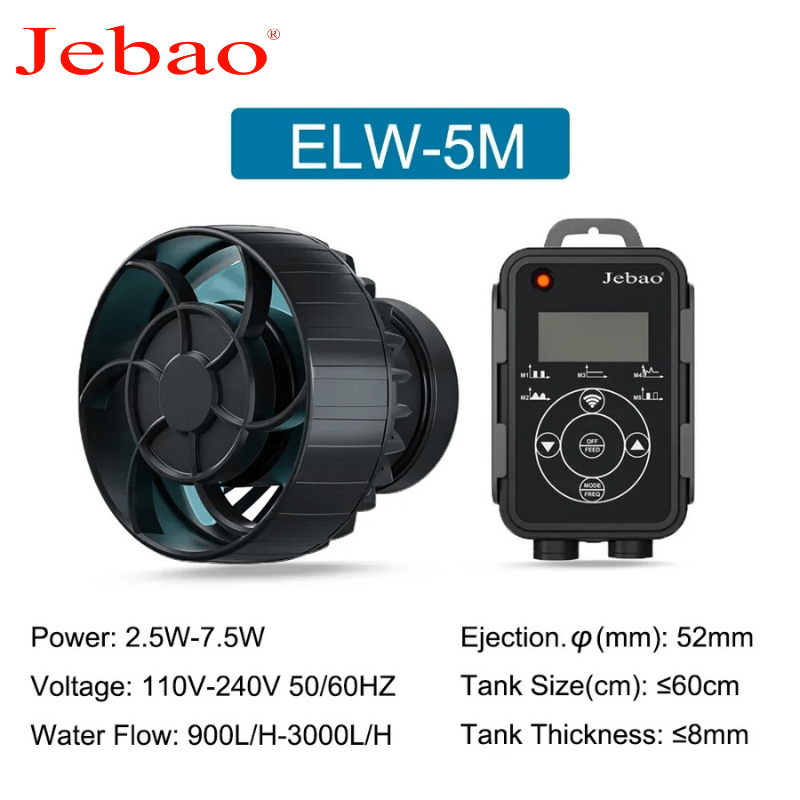
An often-overlooked factor in HLLE is stray electrical voltage in the aquarium water, caused by faulty or aging equipment such as heaters and pumps. Use a multimeter to test the water—any reading above 0.5 volts is cause for concern. Unplug equipment one piece at a time to identify the culprit. A grounding probe, available from local aquarium shops for around $15–$25 SGD, can neutralise stray voltage. This simple step has resolved persistent HLLE in many cases where medication alone failed.
Recovery Timeline and Prevention
With proper treatment, you should see improvement within two to three weeks. The pits will stop expanding, mucus discharge will cease, and the fish’s colour and appetite will return. Complete healing of the craters can take one to three months, and in severe cases some scarring may remain. To prevent recurrence, maintain excellent water quality, feed a varied and vitamin-rich diet, avoid overcrowding and remove activated carbon from filtration. Regular tank maintenance is the most reliable long-term prevention strategy. If you need advice on species-specific care, visit Gensou Aquascaping at 5 Everton Park for a personalised consultation.
Related Reading



