
How to Trim Aquarium Plants: Techniques for Every Plant Type
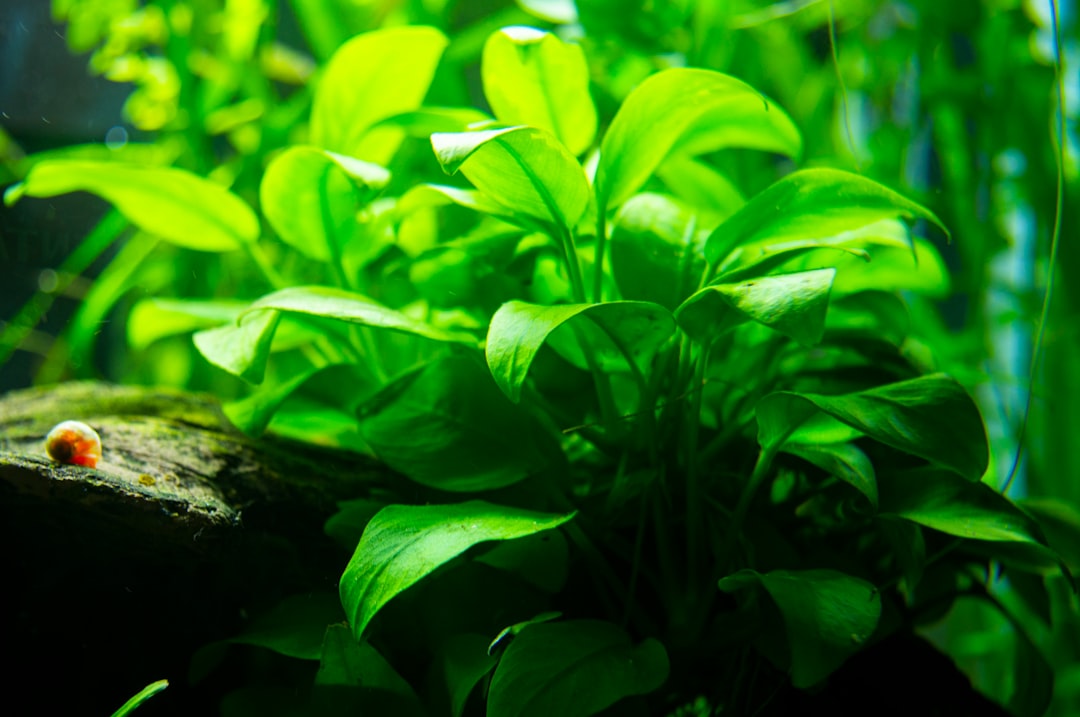
A lush planted aquarium does not stay beautiful on its own. Left unchecked, stem plants block light from reaching lower-growing species, carpets lift off the substrate, and mosses turn into tangled, debris-trapping masses. Learning how to trim aquarium plants properly is one of the most important maintenance skills any planted tank keeper can develop.
At Gensou, we have maintained planted aquariums for over 20 years, and trimming is the single task that makes the biggest visual difference in a matter of minutes. This guide covers the tools you need, techniques for every common plant type, and a trimming schedule that keeps your aquascape looking its best.
Why Trimming Matters
Regular trimming is not merely cosmetic. It directly affects the health of your entire aquarium ecosystem.
- Light penetration — Overgrown plants shade lower-growing species, causing them to weaken, lose colour and eventually die. In Singapore’s warm climate (28-32 degrees Celsius ambient), algae quickly colonise weakened plants.
- Water flow — Dense, untrimmed growth restricts circulation, creating stagnant zones where debris accumulates and algae thrive.
- Plant density and health — Many plants respond to trimming by growing bushier and more compact. Without trimming, stems become leggy and lose their lower leaves.
- Shape and composition — An aquascape is a designed landscape. Trimming preserves the intended proportions between foreground, midground and background plantings.
Essential Trimming Tools
Using proper aquascaping tools makes trimming faster, cleaner and less stressful for your plants. Household scissors are a poor substitute — they are too short, lack the right curvature, and force your hand into the water up to the wrist.
| Tool | Best For | Notes |
|---|---|---|
| Curved scissors (25-30 cm) | Carpet plants, mosses, general shaping | The curve lets you cut parallel to the substrate |
| Straight scissors (25-30 cm) | Stem plants, trimming tall growth | Better reach for background plants |
| Spring scissors | Rapid, repetitive cuts on carpets | Reduces hand fatigue during big trims |
| Long tweezers (27-30 cm) | Replanting cuttings, removing dead leaves | Angled tips are more versatile than straight |
| Aquascaping net | Scooping floating trimmings | Fine mesh prevents cuttings from clogging the filter |
Visit our aquascaping tools guide for a full rundown of what to have in your toolkit. You can also pick up quality stainless steel tool sets at our shop at 5 Everton Park.
Trimming Stem Plants
Stem plants such as Rotala, Ludwigia, Bacopa and Hygrophila are the most commonly trimmed group. They grow quickly — especially in Singapore’s warm water — and can reach the surface within a week or two of a previous trim.
The Cut-and-Replant Method
This is the gold-standard technique for maintaining stem plants:
- Using straight scissors, cut the top 10-15 cm of each stem, just above a leaf node.
- Remove the lower 2-3 leaves from each cutting to create a bare stem end.
- Pull out the old, rooted lower portions if they have become leggy or bare.
- Use tweezers to replant the fresh cuttings into the substrate.
This method ensures your stem plants always have fresh, compact growth with good colour. The alternative — simply topping the stems and leaving the lower portions — works for a time but eventually produces unsightly bare stems with a bushy top, sometimes called the “lollipop” look.
The Top-and-Let-Branch Method
If your stems still have healthy lower growth, you can simply cut the tops and let the remaining stems branch from the cut point. Each cut stem typically produces two new shoots, creating a denser bush over time. This works best when plants are still relatively young.
Trimming Carpet Plants
Carpeting species like Hemianthus callitrichoides (HC Cuba), Glossostigma, Eleocharis (dwarf hairgrass) and Monte Carlo need regular mowing to stay low and prevent the carpet from lifting off the substrate.
Use curved scissors held parallel to the substrate and mow the carpet flat, much like trimming a lawn. Cut to roughly 1-2 cm above the substrate. Do not worry about being too aggressive — healthy carpets recover quickly under good light and CO2.
After mowing, you will have an enormous amount of tiny clippings floating in the water column. Use a fine net to scoop out as much as possible, and follow up with a partial water change. Any clippings that settle on the carpet can smother new growth if left in place.
Trimming Rosette Plants
Rosette plants — Cryptocoryne, Echinodorus (swords), Vallisneria — grow from a central crown. They do not respond to trimming the same way stem plants do.
- Remove outer leaves first. The oldest leaves are on the outside of the rosette. Trim these at the base when they turn yellow, develop holes or become covered in algae.
- Never cut the crown. Damaging the central growing point can kill the plant.
- Trim runners. Vallisneria and Cryptocoryne spread via runners. Snip the runner and either replant the daughter plant or remove it entirely to control spread.
- Large swords may need their largest leaves removed periodically to prevent them from overshadowing the entire tank. Some aquarists trim Echinodorus leaves in half, but this looks unnatural and is best avoided — remove whole leaves instead.
Trimming Rhizome Plants
Rhizome plants include popular species like Anubias, Bucephalandra and Java fern (Microsorum pteropus). These are slow growers, but they still benefit from maintenance trimming.
- Remove old leaves that have turned yellow, transparent or become covered in algae. Cut as close to the rhizome as possible.
- Trim the rhizome when it grows too long or extends beyond your intended area. Cut between leaf nodes with sharp scissors. Each section with at least two or three leaves will grow independently.
- Never bury the rhizome. When reattaching trimmed sections, tie or glue them to hardscape. Burying the rhizome in substrate causes it to rot.
For more on growing these hardy favourites, see our Anubias care guide.
Trimming Mosses
Java moss, Christmas moss, flame moss and other aquatic mosses grow into thick mats that trap detritus and restrict water flow if left unchecked.
The key with mosses is to thin them out rather than simply trimming the surface. Pull apart the moss mat, remove the inner brown, dead portions, and reattach a thinner layer. If you only trim the surface, the dense interior suffocates, turns brown and eventually detaches from the hardscape.
After thinning, use a net to capture all floating moss fragments. Even tiny pieces can attach to surfaces throughout the tank and grow in unwanted locations.
Managing Floating Plants
Floating plants like Salvinia, Amazon frogbit and duckweed multiply rapidly in Singapore’s warm, bright conditions. They provide excellent shade and nutrient export but can completely cover the surface within days.
Management is simple: scoop out the excess with a net or by hand, leaving roughly 30-50 per cent of the surface open to allow light through and maintain gas exchange. Duckweed is notoriously persistent — if it enters your tank, accept that you will be removing it regularly.
Trimming Schedule
How often you need to trim depends on your plant species, lighting, CO2 injection and fertilisation. In Singapore’s warm water temperatures, growth rates tend to be faster than in cooler climates.
| Plant Type | Typical Trimming Frequency |
|---|---|
| Fast-growing stem plants | Every 1-2 weeks |
| Carpet plants | Every 2-4 weeks |
| Rosette plants | As needed (remove old leaves monthly) |
| Rhizome plants | Every 1-3 months |
| Mosses | Every 3-6 weeks |
| Floating plants | Weekly or more often |
Try to combine trimming with your regular water change routine. The water change after trimming removes floating debris and any nutrients released from damaged plant tissue.
What to Do with Cuttings
A productive planted tank generates a surprising volume of healthy cuttings. Rather than discarding them, consider these options:
- Replant in the same tank — Fill in sparse areas or create denser groupings.
- Start a new tank — Cuttings from an established aquarium are already adapted to your water parameters.
- Sell or trade — Singapore has an active online aquarium community. Healthy cuttings of popular species like Rotala rotundifolia, Monte Carlo or Bucephalandra are always in demand on platforms like Carousell.
- Give away — Local aquarium groups and forums are full of hobbyists happy to take healthy plant trimmings.
- Compost — Aquarium plant trimmings make excellent compost material. They decompose quickly and are nutrient-rich.
Frequently Asked Questions
Can I trim too much at once?
Yes. Removing more than 50 per cent of your plant mass in a single session can cause a nutrient imbalance. The remaining plants may not absorb enough nutrients to prevent an algae bloom. If a major trim is needed, do it in stages over two or three sessions, a few days apart. Reduce fertiliser dosing temporarily after a heavy trim.
My stem plants lose their lower leaves after trimming. Why?
This typically happens when lower portions are left in place after the tops are cut. The remaining stems redirect energy to new side shoots at the top, abandoning the lower leaves. The solution is the cut-and-replant method described above — remove the old stems entirely and replant the healthy tops.
Do I need to sterilise my trimming tools?
If you maintain only one tank, a quick rinse is sufficient. If you work on multiple aquariums, sterilise scissors and tweezers between tanks with a brief dip in diluted hydrogen peroxide or isopropyl alcohol, then rinse. This prevents cross-contamination of algae, pests or disease.
Should I trim before or after a water change?
Trim before your water change. The water change then removes floating debris, clippings and any cloudiness from disturbed substrate. This also helps flush out any nutrients released from damaged plant tissue, reducing the risk of a post-trim algae bloom.
Whether you are shaping a competition-grade aquascape or simply keeping your community tank tidy, proper trimming technique is essential. If you need advice on plant selection, trimming tools or aquascaping design, visit us at Gensou, 5 Everton Park — we are always happy to help fellow planted tank enthusiasts.
Related Reading
- Boron Deficiency in Aquarium Plants: Twisted Tips and Stunted Growth
- Calcium Deficiency in Aquarium Plants: Twisted New Growth
- Can Plants Cycle an Aquarium? The Planted Tank Shortcut
- Magnesium Deficiency in Aquarium Plants: Symptoms and Solutions
- Manganese Deficiency in Aquarium Plants: Pale Patches Between Veins



