Hydor Koralia Nano Review: Budget Wave Pump
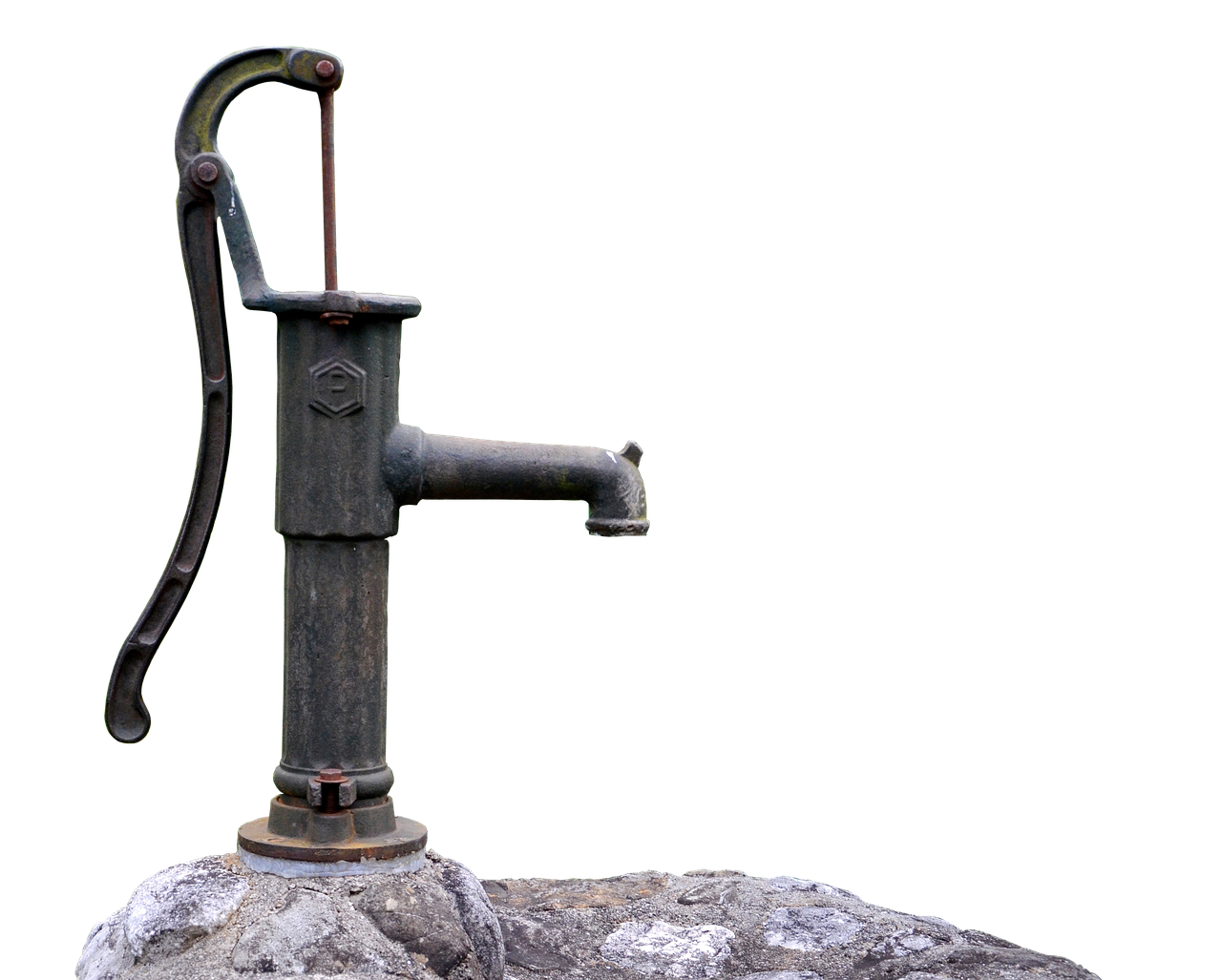
Twenty years after launch the Koralia Nano is still on the wall of every second nano reef in Singapore, and there is a reason it refuses to die. This hydor koralia nano review covers a decade of putting the 240 GPH and 425 GPH variants through their paces at Gensou Aquascaping in Everton Park, alongside customer feedback from C328 to Iwarna. The Koralia is the cheapest “real” wave pump on the SG market, missing all the bells of an EcoTech MP10 but reliably moving water for under $40 a unit.
Variants and Output
The Nano line covers 240, 425 and 565 GPH (roughly 900, 1,600 and 2,100 litres per hour). All three share the same propeller cage shape, magnet bracket and 4 to 4.5 watt consumption. The 425 is the sweet spot for 30 to 60 litre cubes; the 240 suits true picos and the 565 starts to overpower anything under 80 litres. Pricing in SG sits at $30 for the 240, $38 for the 425 and $45 for the 565 at most reef shops.
Flow Pattern Reality
Koralia branding talks about a “wide-angle” flow, which is marketing for “diffuse jet that loses velocity quickly”. In practice the pattern is broader than a Tunze NanoStream but more directional than an MP10. On a 45 cm cube it produces predictable laminar flow that softens as it crosses the tank. For shrimp keepers who follow our beginner shrimp tank setup guide the gentleness is a feature; for SPS keepers it is a limitation.
Magnet Bracket Limits
The original magnet bracket holds reliably to glass up to 12 mm. Thicker rimless tanks need either the upgrade magnet (sold separately at around $18) or a workaround. The bracket is also slightly bulky, which spoils the clean rear-glass look that EcoTech and Tunze both achieve. For show-quality nano reefs the visual penalty is real.
Noise and Vibration
A new Koralia is essentially silent. After six months of calcium build-up they start to hum, and after a year they can rattle audibly. Vinegar soaking every two months keeps them quiet, but the lack of QuietDrive-style refinement shows over time. Living-room tanks survive this; bedroom tanks deserve a quieter pump from the start. Schedule cleanings into your aquarium water change guide rhythm to stay ahead of the hum.
Long-Term Reliability
The Koralia’s killer feature is uncomplicated mechanics. There is no driver, no Bluetooth, no firmware to brick. The motor is sealed, the impeller spins on a single shaft, and replacement impellers cost $10 from local importers. Our oldest test unit has run continuously for seven years on a freshwater planted tank, with two impeller swaps. When they finally die, you replace the whole pump for less than the cost of a service trip on a fancier unit.
Heat Output and SP Group Cost
At 4 to 4.5 watts, even the largest Koralia Nano contributes negligible heat to a tank, perhaps 0.1°C above ambient on a 60 litre cube. Annual electricity at SP Group rates works out to roughly $14 per pump running 24/7, which is one of the lowest cost-of-ownership figures in the wavemaker market. Heat-conscious chiller users in HDB flats notice the difference compared to an 18-watt MP10.
Where Constant Flow Fails You
The Koralia runs at one speed all the time. There is no pulse, no night reduction, no surge mode. For most soft coral and zoa-only nano reefs that constancy is fine. For LPS tanks you give up the gentle waving motion that makes hammers and torches sway, and for SPS tanks you give up the random turbulence that prevents detritus accumulation in branches. A controller from Inkbird or Apex can chop power on a duty cycle but it is a crude substitute for a proper DC pump.
Pairing With a Controller
Some hobbyists run two Koralias on alternating timers to fake gyre flow. This works in tanks under 100 litres but the abrupt on-off creates a slap rather than a wave, which corals tolerate but rarely thrive on. If you are going to add a controller, the spend usually crosses the threshold where a real DC pump becomes the better buy. Our best aquarium wavemaker controller piece walks through the maths.
Use Cases Where Koralia Still Wins
Refugiums, sump return assistance, freshwater circulation in low-tech planted tanks and emergency replacement during pump failures all suit a Koralia. The pump costs nothing relative to the system and runs forever with minimal attention. For a freshwater planted 60 litre tank looking for gentle surface agitation, a 240 GPH Koralia is genuinely hard to beat. Cross-reference our best circulation pump planted tank roundup for planted-specific picks.
Singapore Sourcing Notes
C328 and Polyart usually have stock; Shopee carries grey-imported units at slight discount but with no warranty. Verify the magnet bracket fits your glass thickness before buying online. Used units on Carousell at $20 are tempting but check that the impeller spins freely and the magnet still grips firmly before handing over cash.
Verdict
The Koralia Nano remains the right pump for keepers who value reliability, low cost and zero electronics. It loses to a Tunze or EcoTech on noise, controllability and visual cleanliness. Buy one for a freshwater nano, a soft coral nano or a backup; skip it if your reef demands programmable flow or your living room demands silence at year three.
Related Reading