Indoor Pond Paludarium for Your Living Room: Water Meets Greenery
Imagine stepping into your living room and finding a lush slice of tropical stream bank right beside the sofa. An indoor pond paludarium for your living room design merges an open-top water feature with terrestrial planting, creating a self-contained ecosystem that looks extraordinary and sounds even better. Gensou Aquascaping Singapore has built indoor paludarium ponds in condominiums, HDB maisonettes and landed homes, and the concept works in more spaces than you might think.
What Is a Paludarium?
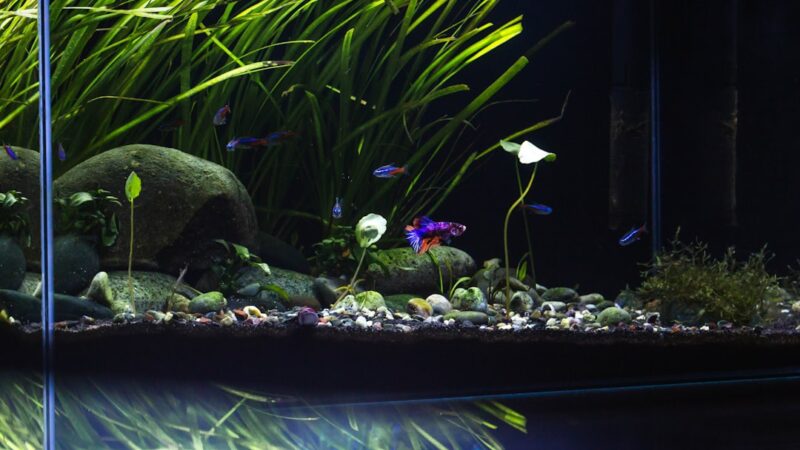
A paludarium combines aquatic and terrestrial environments in a single enclosure. The lower section holds water with fish and submerged plants, while the upper section features a land area planted with mosses, ferns and tropical foliage. Unlike a standard aquarium, a paludarium is open-topped or partially open, letting humidity escape and allowing plants to grow above the rim. When scaled up to pond dimensions, typically 200 litres and above, the result is a living landscape feature rather than a desktop ornament.
Choosing the Right Location
Place the paludarium near a window that receives indirect light for at least four hours daily. Direct afternoon sun through west-facing windows overheats the water and promotes algae. North-facing positions in Singapore homes are ideal, providing bright ambient light without harsh rays. Ensure the floor can support the weight; a 300-litre setup with stone hardscape easily exceeds 400 kg. Ground-floor HDB units and landed property ground levels handle this without concern, but upper-floor installations should be checked against structural load limits.
Building the Structure
A custom-built fibreglass or acrylic basin forms the waterproof base. Dimensions of 1200 mm x 600 mm x 400 mm deep provide a generous water volume of roughly 250 litres while keeping the overall footprint comparable to a large sideboard. The land section is built up using egg-crate light diffuser panels, mesh and expanding foam, then covered with a substrate of sphagnum moss, coconut fibre and ABG mix that retains moisture and supports root growth.
Silicone every joint with aquarium-grade sealant. The land section should slope gently back towards the water so excess moisture drains naturally, preventing stagnant pockets that breed mould.
Plant Selection
The terrestrial zone thrives with humidity-loving species. Ficus pumila (creeping fig) and Selaginella species carpet the land area quickly. Nephrolepis ferns, Begonia species and miniature orchids add layers and texture. For a dramatic centrepiece, a small Monstera adansonii trained up a piece of driftwood bridges the gap between land and open air.
In the water, Anubias barteri attached to stone, Bucephalandra varieties and Microsorum pteropus (Java fern) tolerate the lower light levels typical of indoor settings. Floating Salvinia or Limnobium laevigatum adds surface texture and helps control algae by absorbing excess nutrients.
Fish and Fauna
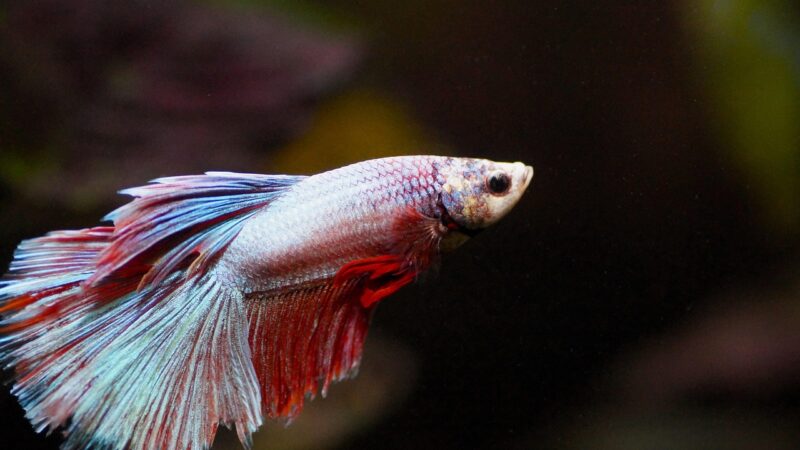
Small, peaceful tropical fish suit indoor paludariums best. A shoal of ember tetras, chilli rasboras or endler guppies brings movement and colour without producing heavy waste. Amano shrimp and nerite snails handle algae duty. If your land section is large and humid enough, dart frogs or vampire crabs add a fascinating terrestrial element, though these require specific care knowledge and a secure mesh top to prevent escapes.
Filtration and Humidity Management
A small canister or hang-on-back filter rated for the water volume handles mechanical and biological filtration. Position the return outlet so it creates a gentle stream or trickle effect cascading from the land area back into the water, combining filtration with a natural-sounding water feature. In air-conditioned Singapore living rooms, humidity around the paludarium drops below what tropical plants prefer. A small USB misting fan on a timer or a simple drip system keeps the land section adequately moist without turning your room into a greenhouse.
Lighting
Full-spectrum LED grow lights in the 6500 K range support both aquatic and terrestrial plant growth. Mount the light on a pendant or bracket 300–400 mm above the land section. A timer running 8–10 hours daily mimics natural daylight cycles. Warm-white accent LEDs hidden beneath the rim can illuminate the water section at night for a calming ambient glow in the living room.
Maintenance Routine
Weekly 20 per cent water changes keep parameters stable. Trim terrestrial plants when they outgrow their zones; tropical species grow fast in Singapore’s warmth even indoors. Clean the glass front panel with an algae magnet. Mist the land area daily if not using an automated system. Feed fish sparingly and remove uneaten food promptly. A well-balanced indoor paludarium requires roughly 30 minutes of care per week, a small investment for a feature that transforms the character of any room.
Related Reading
Container Water Garden for Balconies
Best Pond Plants for Singapore’s Tropical Climate