
Best Pond Plants for Singapore: Hardy Species That Thrive
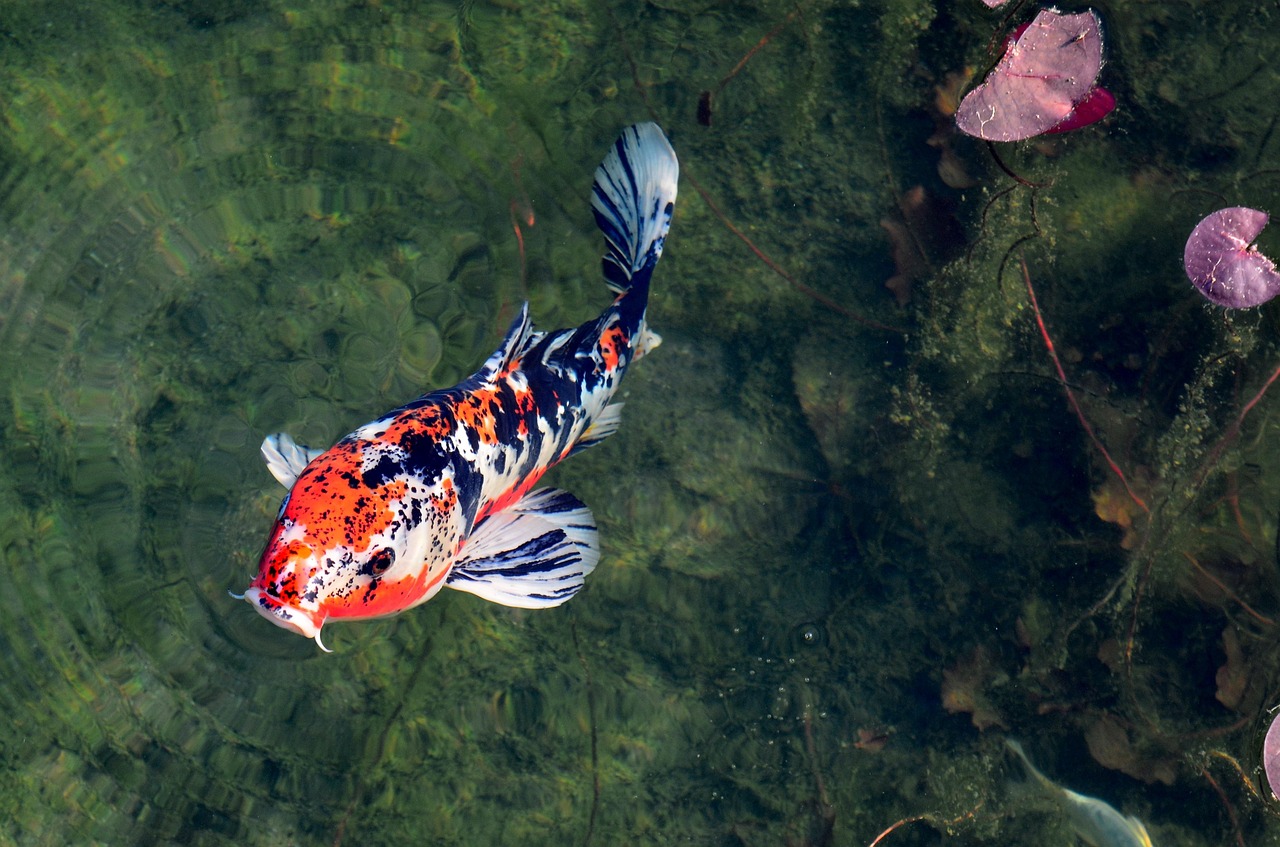
Pond plants transform a simple water feature into a living ecosystem. They provide shade, filter nutrients, oxygenate the water, and create a natural aesthetic that no artificial decoration can match. In Singapore’s tropical climate, many pond plants grow year-round without the seasonal die-back that limits temperate pond keepers. The challenge is choosing species that thrive in our heat and humidity, resist pests, and — if you keep koi or large goldfish — survive being eaten.
Why Pond Plants Matter
Beyond aesthetics, pond plants perform critical ecological functions:
- Nutrient absorption: Plants consume nitrate, phosphate, and other nutrients, directly competing with algae for resources. A well-planted pond experiences far fewer algae blooms.
- Shade: Floating plants and lilies shade the water surface, reducing light penetration (which inhibits algae) and keeping water temperatures cooler — particularly valuable in Singapore.
- Oxygenation: Submerged plants produce oxygen during daylight hours, benefiting fish and beneficial bacteria.
- Habitat: Plants provide shelter for small fish, fry, frogs, and invertebrates, encouraging biodiversity.
- Erosion control: Marginal plants stabilise pond edges and prevent soil from washing into the water.
Understanding Planting Zones
A well-designed pond uses plants at every depth. Understanding the three main planting zones helps you select the right species for each area.
- Floating zone (water surface): Plants that float freely or root in deep water with leaves on the surface. Water lilies, lotus, water lettuce, and water hyacinth live here.
- Marginal/bog zone (0-15 cm depth): Plants rooted in shallow water at the pond edges. Their roots are submerged, but stems, leaves, and flowers grow above water. This zone softens pond edges and provides a transition to the surrounding landscape.
- Submerged zone (fully underwater): Oxygenating plants that grow entirely below the water surface. They provide biological filtration and oxygen but are less visible.
For the most natural and functional pond, aim to incorporate plants from all three zones. Gensou’s pondscaping services incorporate multi-zone planting as standard practice.
Floating Plants
Water Hyacinth (Eichhornia crassipes)
A stunning floating plant with glossy leaves and beautiful purple flowers. It is an extremely effective nutrient absorber, making it a natural algae fighter. Water hyacinth grows explosively in Singapore’s warm, sunny conditions — expect to thin it regularly.
Important note: Water hyacinth is classified as an invasive species in many countries, and its release into waterways is prohibited in Singapore. Check with NEA (National Environment Agency) for current regulations. Keep it confined to your private pond and dispose of excess responsibly — never dump it into drains, canals, or reservoirs.
- Care level: Very easy
- Growth rate: Extremely fast
- Sun/shade: Full sun to partial shade
- Koi compatible: Koi will nibble roots; replenish as needed
Water Lettuce (Pistia stratiotes)
Rosette-shaped floating plant with velvety, pale green leaves. Less aggressive than water hyacinth but still grows vigorously in Singapore. The dangling roots provide excellent biological filtration and shelter for fry.
- Care level: Very easy
- Growth rate: Fast
- Sun/shade: Partial shade preferred (full sun can scorch leaves)
- Koi compatible: Koi will eat it; use as a sacrificial plant or protect with a floating ring
Lotus (Nelumbo nucifera)
The sacred lotus is a magnificent pond centrepiece. Large, round leaves held above the water surface, with stunning pink, white, or red blooms. Lotus thrives in Singapore’s heat and flowers reliably from spring through autumn, though in our climate, some varieties bloom nearly year-round.
Plant lotus in large containers (40-60 cm diameter) with heavy clay soil, submerged 10-30 cm below the water surface. They need full sun — at least 6 hours daily — for best flowering.
- Care level: Moderate
- Growth rate: Fast once established
- Sun/shade: Full sun essential
- Koi compatible: Keep in raised containers out of koi reach
Water Lily (Nymphaea spp.)
Water lilies provide the classic floating pad-and-flower aesthetic. Tropical water lily varieties are ideal for Singapore — they bloom more prolifically and handle our warm water better than hardy (temperate) varieties. Colours range from white, pink, and red to blue and purple.
Plant in submerged containers with the crown 15-30 cm below the surface. Fertilise monthly with pond plant tabs. Tropical lilies often bloom at night (night-blooming varieties) or during the day (day-blooming) — choose according to when you enjoy your pond most.
- Care level: Moderate
- Growth rate: Moderate
- Sun/shade: Full sun (minimum 5-6 hours)
- Koi compatible: Koi may nibble pads; protect containers from disruption
Marginal and Bog Plants
Papyrus (Cyperus papyrus)
Tall, architectural stems topped with feathery umbels. Papyrus makes a dramatic vertical accent at the pond edge. The dwarf variety (Cyperus papyrus ‘Nanus’) stays under 60 cm and is more suitable for smaller ponds. The full-sized species can reach 2-3 metres.
- Care level: Easy
- Growth rate: Fast
- Sun/shade: Full sun to partial shade
- Aesthetic role: Vertical accent, background
Umbrella Palm (Cyperus alternifolius)
Related to papyrus but more compact, with distinctive radiating leaf bracts resembling an open umbrella. Grows 60-120 cm tall and forms dense clumps. Excellent for filtering pond water in bog zones.
- Care level: Very easy
- Growth rate: Fast
- Sun/shade: Full sun to partial shade
- Aesthetic role: Mid-ground structure, natural filter
Canna Lily (Canna spp.)
Bold, tropical foliage with vibrant red, orange, or yellow flowers. Aquatic canna varieties tolerate waterlogged roots and grow beautifully at pond margins. They add a dramatic splash of colour and are one of the most visually impactful marginal plants for Singapore ponds.
- Care level: Easy
- Growth rate: Fast
- Sun/shade: Full sun
- Aesthetic role: Bold colour accent, background
Taro (Colocasia spp.)
Large, heart-shaped leaves with an exotic, tropical appearance. Several ornamental varieties are available with purple, black, or variegated foliage. Taro grows in shallow water or waterlogged soil and is perfectly suited to Singapore’s climate.
- Care level: Easy
- Growth rate: Moderate to fast
- Sun/shade: Partial shade to full sun
- Aesthetic role: Large, lush foliage; focal point at pond edge
Rain Lily (Zephyranthes spp.)
Delicate, low-growing bulbs that produce charming white or pink flowers after rain — a frequent occurrence in Singapore. They naturalise easily along pond margins and in damp soil.
- Care level: Very easy
- Growth rate: Moderate
- Sun/shade: Full sun to partial shade
- Aesthetic role: Ground cover, seasonal flower accent
Spider Lily (Hymenocallis spp.)
Striking white flowers with long, spider-like petals. Grows well in consistently damp soil or shallow water. The fragrant blooms attract pollinators and add an elegant touch to naturalistic pond edges.
- Care level: Easy
- Growth rate: Moderate
- Sun/shade: Full sun to partial shade
- Aesthetic role: Accent flowers, mid-ground
Submerged Plants
Hornwort (Ceratophyllum demersum)
A free-floating or loosely anchored submerged plant with fine, feathery foliage. Hornwort is an excellent oxygenator and nutrient absorber. It tolerates a wide range of conditions and grows quickly in Singapore’s warm water. Trim regularly to prevent it from taking over.
- Care level: Very easy
- Growth rate: Very fast
- Sun/shade: Adaptable
- Koi compatible: Koi will eat it; useful as supplementary food
Hydrilla (Hydrilla verticillata)
A robust submerged plant native to the region. Hydrilla is extremely effective at oxygenating water and absorbing nutrients. Like hornwort, it grows aggressively and requires regular management. It is best used in dedicated filtration ponds or bog filters rather than the main display pond.
- Care level: Very easy
- Growth rate: Very fast
- Sun/shade: Full sun to partial shade
- Koi compatible: Koi will eat it readily
Vallisneria (Vallisneria spiralis)
Long, ribbon-like leaves that sway gracefully in water current. Vallisneria spreads by runners and forms a dense underwater meadow. It is attractive and functional, though less vigorous as an oxygenator than hornwort. Works best in ponds with clear water and some water flow.
- Care level: Easy
- Growth rate: Moderate to fast
- Sun/shade: Full sun to partial shade
- Koi compatible: Koi may uproot it; protect with rocks around the base
Koi Compatibility
Koi are herbivorous by nature and will eat, uproot, or destroy many pond plants. This is one of the biggest frustrations for koi pond owners who want a lush, planted pond. Strategies to manage this include:
- Plant barriers: Use floating rings or mesh baskets to protect floating plants from koi. Position marginal plants behind barriers koi cannot reach.
- Raised planting shelves: Build planting ledges above the water level that koi cannot access.
- Sacrificial plants: Grow water lettuce, hornwort, and hydrilla as supplementary food for koi. Add regularly, accepting that koi will consume them.
- Separate bog filter: Plant heavily in a bog filter or vegetable filter that water passes through before returning to the main pond. Koi never reach these plants, but the plants still filter the water.
- Tough species: Lotus, papyrus, and umbrella palm are more resistant to koi damage than delicate species.
Maintenance Tips
Pond plants in Singapore grow year-round, so maintenance is ongoing rather than seasonal:
- Thin floating plants: Remove excess water hyacinth and water lettuce monthly — or more often in peak growth. Keep surface coverage at 50-70% for optimal shade and nutrient absorption.
- Trim submerged plants: Hornwort and hydrilla can choke a pond within weeks. Remove excess growth weekly or bi-weekly.
- Fertilise sparingly: Most pond plants absorb sufficient nutrients from fish waste. Only fertilise lilies and lotus with pond-safe plant tabs if growth slows or flowering diminishes.
- Remove dead foliage: Decaying leaves and flowers release nutrients back into the water, feeding algae. Remove promptly.
- Pest management: Aphids can infest water hyacinth and lily pads. Spray with a strong jet of water to dislodge them into the pond — fish will eat them. Avoid chemical pesticides near ponds.
Frequently Asked Questions
Can I use aquarium plants in my pond?
Some aquarium plants work well in ponds — Vallisneria, hornwort, and certain Echinodorus (sword plants) adapt readily to outdoor conditions. However, many popular aquarium plants are too small, delicate, or shade-loving for the full-sun conditions of an outdoor pond. Stick to plants specifically suited for pond use.
How do I control algae with plants instead of chemicals?
Dense planting, especially floating plants that shade 50-70% of the surface, is the most effective natural algae control. Submerged plants and marginal bog plants absorb dissolved nutrients that would otherwise fuel algae growth. This biological approach takes 2-4 weeks to show results but provides lasting control without chemicals.
Will water hyacinth take over my pond?
In Singapore’s tropical conditions, absolutely yes — if left unchecked. Water hyacinth can double its coverage every 1-2 weeks during peak growth. Regular thinning is essential. Many pond owners see this as a positive: the excess plant material represents nutrients removed from the water. Compost the removed plants.
What pond plants grow in full shade?
Very few pond plants flower well in full shade. Water lettuce and taro tolerate partial shade (2-4 hours of sun) better than most. For heavily shaded ponds, focus on foliage plants like ferns (maidenhair, bird’s nest) at pond edges and submerged plants like Vallisneria which adapt to lower light. Professional pond design can maximise planting options even in shaded locations.
Want a lush, well-planted pond that looks stunning year-round? Gensou specialises in pondscaping for Singapore homes, selecting plants that thrive in our tropical climate and complement your pond’s design. With over 20 years of experience, we create balanced, beautiful ecosystems. Visit us at 5 Everton Park or contact us to discuss your pond planting project.
Related Reading
- Boron Deficiency in Aquarium Plants: Twisted Tips and Stunted Growth
- Calcium Deficiency in Aquarium Plants: Twisted New Growth
- Can Plants Cycle an Aquarium? The Planted Tank Shortcut
- Magnesium Deficiency in Aquarium Plants: Symptoms and Solutions
- Manganese Deficiency in Aquarium Plants: Pale Patches Between Veins



