
Kenya Tree Coral Care Guide: The Soft Coral That Grows Itself
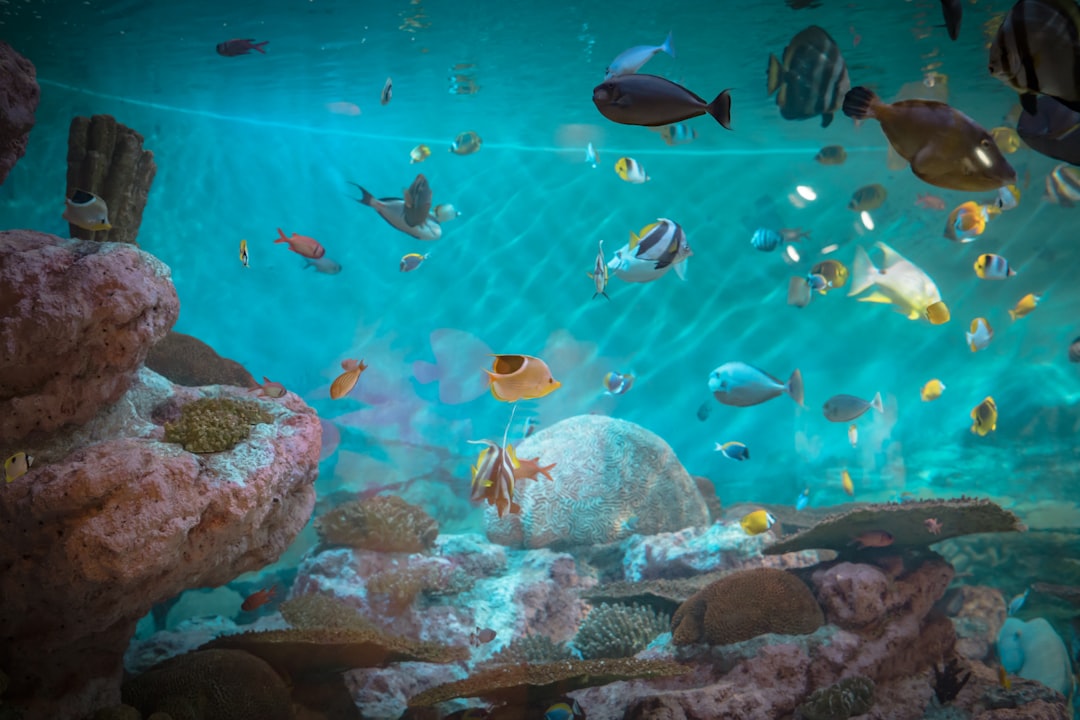
Some corals demand careful attention; the Kenya tree coral practically raises itself. If you need a kenya tree coral care guide, the good news is that this species is one of the least demanding soft corals in the hobby. At Gensou Aquascaping Singapore, we often recommend Capnella species to reefers who want visible growth and organic movement without the steep learning curve of stony corals. In Singapore’s warm climate, a basic chiller setup and stable water are really all this coral asks for.
Species Overview
Kenya tree corals belong to the genus Capnella, sometimes also labelled Nephthea in the trade. They grow upright with a central stalk and branching arms tipped with small polyps, resembling a miniature tree — hence the common name. Colour ranges from tan and brown to pale pink and green. While not the most vivid coral on the reef, the elegant branching form and gentle swaying motion add a natural softness that complements flashier neighbours.
Water Parameters
Aim for the standard reef baseline: salinity 1.024–1.026, temperature 25–27 °C, alkalinity 7–9 dKH, calcium 400–440 ppm. Kenya trees are remarkably tolerant of minor fluctuations — they have survived temporary spikes to 29 °C in tanks where chillers failed during Singapore’s hottest weeks. That said, chronic high temperatures stress all soft corals, so invest in proper cooling. PUB tap water is fine as your freshwater base, provided you treat for chloramine and mix with a reputable salt.
Lighting and Placement
Low to moderate light works best. PAR values around 50–120 keep Kenya trees healthy without encouraging nuisance algae on their stalks. Place them on mid-level rockwork or even towards the bottom of the tank. Under intense lighting they may shrink and deflate during the day, only expanding at night — a clear sign to move them lower. Because they grow tall, leave vertical clearance above the frag so the branches can extend without brushing against neighbouring corals.
Flow
Moderate, alternating flow suits Kenya trees well. The branches should sway gently, mimicking their natural habitat on Indo-Pacific reef slopes. Direct, laminar flow from a powerhead pointed straight at the colony will cause it to lean permanently to one side. A wavemaker on random mode solves this easily, and most nano-reef setups already have one.
Growth and Propagation
This is where the Kenya tree earns its reputation. Branches frequently drop off the mother colony — a natural propagation method called autotomy. These dropped branches tumble around the tank until they land on a piece of rock and attach within days, forming a new colony. Some hobbyists welcome this self-replicating habit; others find it invasive. To control spread, simply collect fallen branches before they attach and trade them with fellow reefers on Carousell or at local frag swaps.
Intentional fragging is equally simple. Use sharp scissors to snip a branch at least 3 cm long and rubber-band it loosely to a frag plug. Within a week or two the base will cement itself to the plug, ready for placement or gifting.
Potential Challenges
Kenya trees occasionally go through deflation periods where the entire colony droops and looks wilted. This is usually a shedding cycle — the coral expels a thin mucus layer to clear debris and algae from its surface. Normal behaviour; wait a day or two and it should reinflate. Persistent deflation over a week or more may indicate poor water quality or chemical warfare from nearby corals. Running activated carbon helps neutralise allelopathic compounds, especially in smaller tanks common in Singapore HDB setups.
Availability and Cost
Kenya tree frags are among the cheapest corals you will find in Singapore, often priced between $5 and $15. Marine shops around Serangoon North and online sellers on Carousell carry them regularly. Given how quickly they grow, buying a single frag and propagating it yourself is the most economical way to fill a softie reef. At Gensou Aquascaping, with over 20 years of hands-on experience, we consider the Kenya tree a staple recommendation for anyone just starting out in marine aquariums.
Related Reading



