
Koi Shows Asia Entry Guide: Categories and Judging
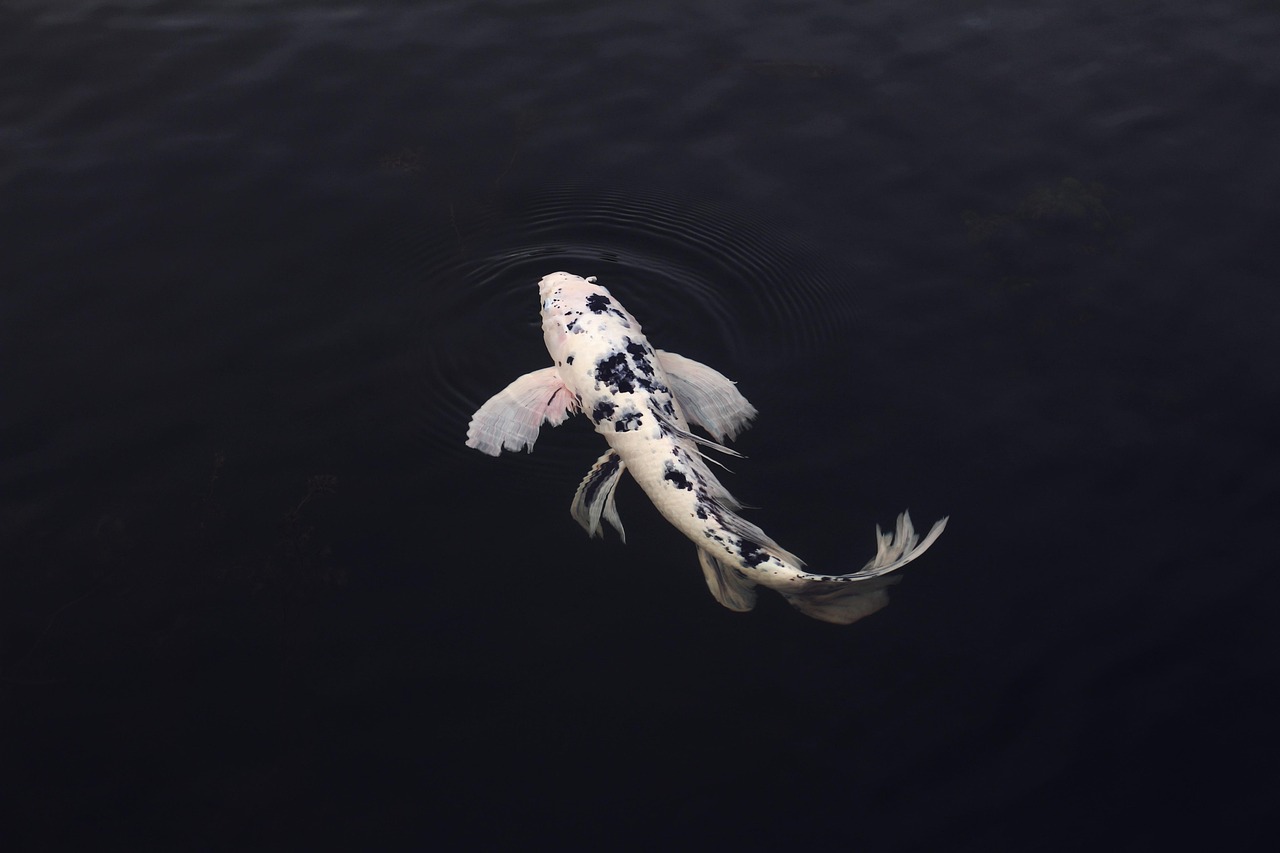
Regional koi shows remain the fastest way to benchmark your fish against serious breeders and pick up husbandry tips that take years to glean alone. This koi shows asia entry guide from Gensou Aquascaping at 5 Everton Park summarises the category structure, judging conventions and logistical realities for Singapore-based keepers entering shows in the region. The goal is a practical walkthrough rather than a full rulebook.
Major Shows in Asia
The Singapore International Koi Show runs biennially and attracts ZNA-affiliated judges from Japan. The Malaysia Koi Show, Thailand Koi Show and Indonesia International Koi Show form the usual regional circuit. Japan’s All Japan Combined Nishikigoi Show in Tokyo every February is the apex event but rarely entered from Singapore due to quarantine logistics. Smaller club shows such as Penang and Kuching run excellent beginner-friendly judging.
Show Affiliations
Two main judging standards dominate. ZNA (Zen Nippon Airinkai) follows strict varieties and body-pattern emphasis. JKA (Japanese Koi Association) and later Shinkokai conventions weight pattern placement more heavily. Most Asian shows accept ZNA standards; entrants should study the relevant standard in detail before registration because minor variety misclassification disqualifies entries.
Size Classes
Koi are judged within size brackets measured in bu units where 1 bu equals 3.03 cm. Common brackets run 15 bu (under 45 cm), 20 bu (45-60 cm), 25 bu (60-75 cm), up to 90 bu plus for jumbo show koi. Measure your fish accurately before registration; misdeclared size pushes the entry into the wrong class and wastes an otherwise competitive ticket.
Variety Categories
Mainstream categories include Kohaku, Sanke, Showa, Utsuri, Asagi, Shusui, Koromo, Goshiki, Tancho, Kinginrin, Kawarimono, Doitsu varieties, Hikarimuji, Hikarimoyo and Hikari Utsuri. Each category has specific colour, pattern and quality expectations. Refer to our kohaku koi variety care guide, sanke koi variety care guide and showa koi variety care guide for the foundational three variety standards.
Judging Criteria
Judges evaluate body conformation first, then skin quality and volume, then pattern balance, then colour depth. Body carries roughly 50% of the score in most standards because pattern can mature while bone structure cannot. Expect judges to view each fish from above in sequence, touch inspection is rare, and deliberations are typically 2-3 minutes per entry in size classes up to 20 bu.
Preparation Timeline
Start show prep 3-6 months ahead. A pre-show conditioning regime includes high-quality colour-enhancing pellets, controlled feeding to prevent excess weight, and careful skin management with probiotic treatments. Our best koi food growth colour enhancing overview covers feed brands that register well in judging. Stop colour-enhancing feeds 2-3 weeks before entry so the red pigment looks natural rather than forced.
Transport and Handling
Koi are transported in oxygen-packed plastic bags inside insulated boxes. Commercial show organisers usually arrange bulk transport from the collection point. For cross-border entries to Malaysia or Thailand, AVS (now NParks Animal & Veterinary Service) export permits and the destination country import permit must be arranged at least three weeks in advance. Expect $50-100 SGD in permit and inspection fees per fish.
Show Tank Conditions
Show organisers provide vat pools of 1,500-3,000 litres per size class. Water quality during the 48-72 hour show is rarely optimal — expect elevated nitrate, unfamiliar water chemistry and handling stress. Robust fish from high-quality home water acclimate best. Avoid entering fish that have been ill within six months; stress-induced ulcers develop fast in show vats.
Entry Fees and Prizes
Singapore show entry fees run roughly $30-80 SGD per fish depending on size class. Regional shows range $20-60 SGD. Championship prizes are typically trophies and breeder vouchers rather than cash; the real reward is the benchmarking, exposure and relationships built with breeders. Grand Champion winners command premium resale value if the owner chooses to sell.
Ethics and Welfare
Anti-inflammatory injections, skin bleaching treatments, and pattern manipulation via laser are all show-bannable. Legitimate conditioning is limited to nutrition, water quality and parasite control. Reputable shows vet-check top prize candidates for manipulation. Our koi disease treatment guide covers standard treatment protocols that are compatible with show eligibility.
Learning Through Entering and Getting Started
First entries rarely place. The lesson is in watching the judges, hearing their comments during public rounds, and comparing your fish against the winners in person. Within 2-3 show cycles most keepers develop an eye for body conformation and pattern quality that reshapes their buying decisions. See our koi fish care guide singapore for foundational husbandry that supports show-quality development.
Practically, join a local koi club — Singapore Koi Club and ZNA Singapore Chapter run monthly meets and advise on entry selection. Attend one show as a spectator before entering. Pick a single strong fish for a first entry rather than diluting effort across multiple fish. Budget time for the dry run: transport, registration, housing the fish for 48 hours after return in a dedicated recovery vat.
Related Reading



