
Cameroon Stream Biotope Aquascape: West African Rapids Habitat
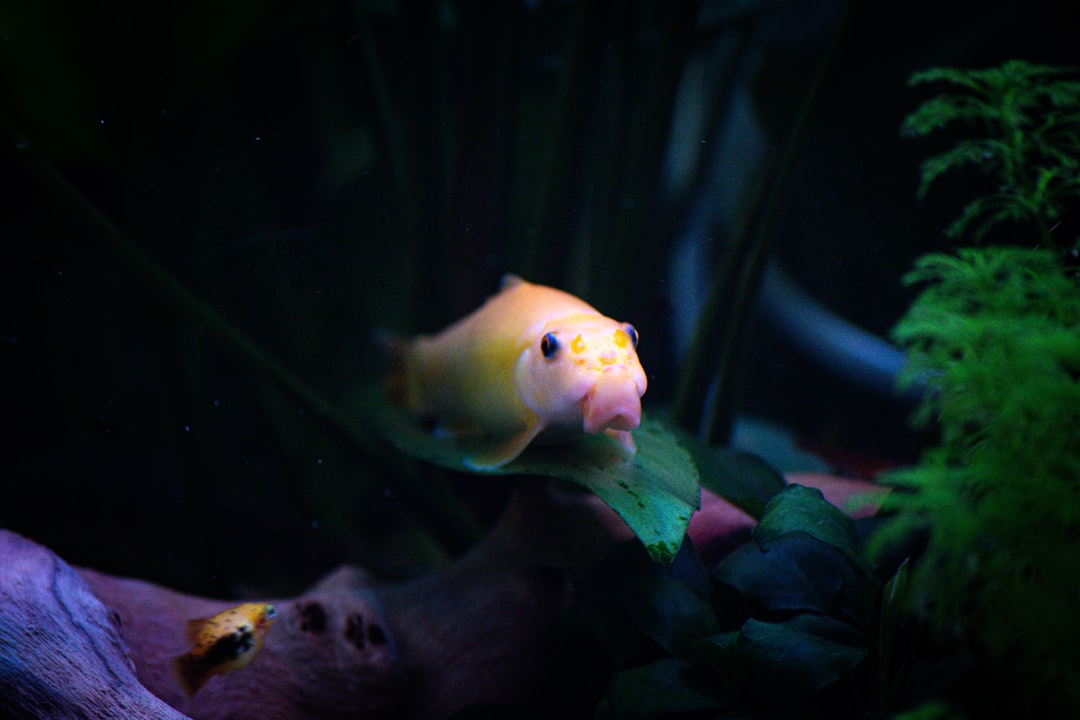
West African stream biotopes are among the most technically demanding and visually striking aquascapes a hobbyist can attempt — and Cameroon’s fast-flowing hill streams are a particular highlight. A Cameroon stream biotope aquascape recreates the rocky, current-swept habitat of species like Pelvicachromis taeniatus, Aphyosemion killifish, and the spectacular West African dwarf cichlids that inhabit shaded forest streams. Gensou Aquascaping in Singapore has a long-standing interest in biotope work, and the Cameroon stream style rewards the attention to detail it demands.
The Natural Environment of Cameroon Streams
Cameroon’s highland streams run through dense equatorial forest — heavily shaded, with substrates of rounded granite cobbles, leaf litter, and sandy pockets where current slows behind larger stones. Water parameters are consistently soft and acidic: pH 5.5–6.8, GH 1–3, conductivity below 50 µS/cm, and temperatures ranging from 20–25°C depending on altitude. Tannins from decaying leaves stain the water amber. Dissolved oxygen is high due to surface turbulence. These parameters differ sharply from Singapore’s tap water, making water preparation a central part of running this biotope authentically.
Key Species for the Cameroon Stream Biotope
Pelvicachromis taeniatus is the star — a sexually dimorphic dwarf cichlid where the female’s vivid purple-pink belly rivals any discus for colour intensity. Pelvicachromis subocellatus and the rarer Pelvicachromis humilis are suitable alternatives. For dither fish and upper-water activity, Phenacogrammus interruptus (the Congo tetra) adds iridescent blue-green motion, though purists note it’s from the Congo basin rather than Cameroon proper. Aphyosemion killifish from Cameroon localities — particularly Aphyosemion australe — are ideal surface-dwelling inhabitants for a species-accurate setup. Loricariid catfish are not native to West Africa; use West African killis or small endemic barbs as bottom-level cleaners instead.
Hardscape and Substrate
Rounded granite cobbles in grey and warm-brown tones are the foundation. Avoid sharp or angular stones — natural stream cobbles are smooth from years of water abrasion. Layer the substrate: a fine dark sand base (black or dark brown), then a layer of mixed small cobbles 3–5 cm, then larger statement rocks 8–15 cm arranged to create flow channels and resting pockets. Leave open sandy areas in the foreground where Pelvicachromis pairs will naturally excavate spawning pits. Indian almond leaves (Terminalia catappa) scattered across the substrate are both authentic and functional — they release tannins that help lower pH and provide cover and spawning sites.
Replicating Stream Flow
Current is central to the Cameroon stream aesthetic and the wellbeing of its inhabitants. A powerhead or circulation pump positioned along one end of the tank, angled to create a unidirectional flow across the aquascape, is the standard approach. Target a flow rate of 5–10× the tank volume per hour — for a 90 litre tank, that’s 450–900 litres per hour of circulation. Hillstream inhabitants like Pelvicachromis appreciate the oxygen enrichment that comes with surface agitation; the flow also prevents dead zones where detritus accumulates. A spray bar across the back wall distributes flow evenly without creating a single powerful jet.
Plants Appropriate to the Habitat
Cameroon streams host several aquatic plant species, but low light levels under dense forest canopy limit aquatic plant diversity. Anubias barteri and Anubias nana are native to West African streams and are the most authentic choice — attach them to rocks and cobbles as they would grow in nature. Bolbitis heudelotii (the African water fern) is endemic to Central and West African fast streams and is an excellent mid-ground plant for this biotope. Both grow slowly, require no CO2, and thrive under moderate light — a PAR of 30–50 µmol/m²/s is plenty. Avoid South American plants (Echinodorus, Cryptocoryne) in a strictly accurate biotope.
Water Preparation for Soft Acidic Conditions
Singapore’s PUB water is actually a reasonable starting point — it’s naturally soft and slightly acidic, needing only modest adjustment for this biotope. Using RO water blended with tap water (50:50) achieves the very low conductivity needed. Add Indian almond leaves or use liquid tannin extract (such as Bacter AE or Catappa extract) to bring pH into the 6.0–6.5 range. Avoid high-carbonate buffers that raise KH; this biotope requires KH as close to 0 as feasible. Temperature maintenance is more challenging — at Singapore’s ambient 28–30°C, a small aquarium chiller is needed to bring the tank to 23–25°C for optimal fish health and breeding behaviour.
Breeding in the Cameroon Stream Setup
A well-maintained Cameroon stream biotope will often trigger natural spawning behaviour in Pelvicachromis taeniatus without deliberate intervention. The female selects a cave or crevice beneath a rock, the pair bonds and spawns, and both parents guard the eggs and fry with impressive vigour. Eggs hatch in 48–72 hours at 24°C; fry are free-swimming within a week. At this point, other tank inhabitants should be removed to a separate tank or the fry will be eaten. Raising the fry on micro-worms and baby brine shrimp produces the first viable generation within two months — a rewarding outcome that also ensures locally bred stock for future setups.
Related Reading



