
Lampeye Killifish Care Guide: Aplocheilichthys Normani Glowing Eyes
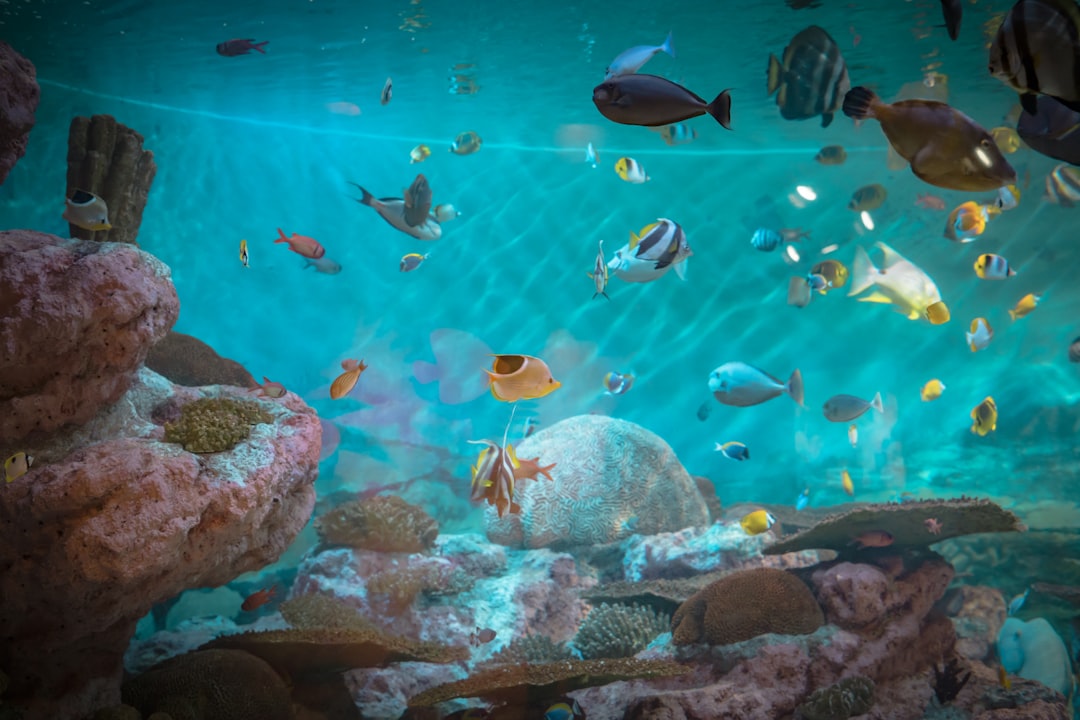
A school of lampeye killifish in a dimly lit planted tank produces an effect that no other fish can replicate. Their iridescent blue-green eye caps glow like tiny LEDs against a backdrop of dark substrate and green foliage. This lampeye killifish care guide from Gensou Aquascaping at 5 Everton Park, Singapore explains how to keep Aplocheilichthys normani healthy and glowing in Singapore’s tropical conditions. Despite their delicate appearance, these fish are surprisingly adaptable once settled.
Species Overview
Aplocheilichthys normani, commonly called the Norman’s lampeye, originates from slow-moving streams and swamps across West Africa, from Sierra Leone to Cameroon. Adults reach just 3 to 4 cm, placing them firmly in the nano fish category. Their body is a subtle silver-grey, almost transparent, but the reflective patch above each eye catches light dramatically. Males display slightly longer fins and a more intense eye glow than females, though the difference is subtle outside of breeding condition.
Tank Requirements
A group of 10 to 12 lampeyes fits comfortably in a 45-litre tank, though a 60-litre setup gives them more swimming room and produces a better visual display. Keep the lighting subdued or heavily diffused by floating plants like Salvinia or Ceratopteris. Under bright overhead light, their eye glow washes out and the fish appear washed out themselves. Dark substrate, tannin-stained water from Indian almond leaves and dense background planting create the ideal environment for their reflective eyes to shine.
Water Parameters for Singapore
Lampeyes prefer soft, slightly acidic water with a pH between 6.0 and 7.0 and GH below 8. Singapore’s PUB tap water, with its naturally low GH of 2 to 4, is almost perfect for this species. Dechlorinate thoroughly, as lampeyes are sensitive to chloramine. Temperature should sit between 24 and 27 degrees Celsius. In Singapore’s warmer months, a clip-on fan may help if your tank consistently exceeds 28 degrees, though most lampeyes tolerate brief spikes without issue. Gentle filtration is essential; strong current stresses these small fish.
Feeding Lampeye Killifish
Their small mouths limit food choices. Crushed flake food works as a staple, but live foods bring out the best in these fish. Baby brine shrimp, micro worms and vinegar eels are ideal. Frozen cyclops and daphnia, available at most Singapore fish shops for $2 to $4 per blister pack, are convenient alternatives. Feed twice daily in small quantities, as uneaten food fouls the water rapidly in the small tanks lampeyes typically occupy. Watch for thin or sunken bellies, which indicate underfeeding or internal parasites.
Schooling and Behaviour
Lampeyes are obligate schooling fish. Keeping fewer than eight leads to constant hiding and faded colouration. In a proper school of 12 or more, they swim in a loose formation near the water surface, their eye caps creating a constellation effect that is particularly striking in evening lighting. They are completely peaceful and ignore other species, but their tiny size makes them vulnerable to even moderately aggressive tankmates. Pair them with other micro species like Boraras brigittae, pygmy corydoras or small shrimp.
Breeding Norman’s Lampeye
Breeding is achievable in a well-planted species tank. Males display to females by flaring their fins and intensifying their eye glow. Eggs are deposited individually on fine-leaved plants like java moss over several days. Each female produces only 5 to 10 eggs per day, so spawning is a gradual process rather than a single event. Eggs hatch in 10 to 14 days at 26 degrees Celsius. The fry are tiny and require infusoria or commercially prepared liquid fry food for the first two weeks before graduating to baby brine shrimp.
Common Problems and Solutions
Lampeyes are sensitive to water quality fluctuations, particularly ammonia and nitrite spikes. New tank syndrome is their biggest enemy. Only add lampeyes to fully cycled, mature tanks. They are also prone to velvet disease, which presents as a dusty gold sheen on the body. Treat with a copper-based medication at half dose, as these small fish are sensitive to full-strength treatments. Quarantine all new lampeyes for two weeks before introducing them to an established community.
Why Lampeyes Deserve More Attention
In a hobby dominated by neon tetras and guppies, lampeye killifish offer something genuinely different. Their visual impact in a dark, planted nano tank rivals fish costing ten times as much. At around $2 to $3 each from shops in the Serangoon North area or on Carousell, building a school of 15 is affordable. They reward patient, detail-oriented keepers who appreciate subtlety over flash, and their breeding behaviour adds another layer of engagement for hobbyists ready to move beyond easy livebearers.
Related Reading
- How to Breed Norman’s Lampeye Killifish: Surface Spawners in Soft Water
- Blue Gularis Killifish Care Guide: Fundulopanchax Sjoestedti Giant Killifish
- How to Breed Clown Killifish: Rocket Panchax Spawning in Nano Tanks
- Clown Killifish Care Guide: The Tiny Rocket of Surface Dwellers
- How to Breed Golden Wonder Killifish: Surface Spawners in Planted Tanks



